
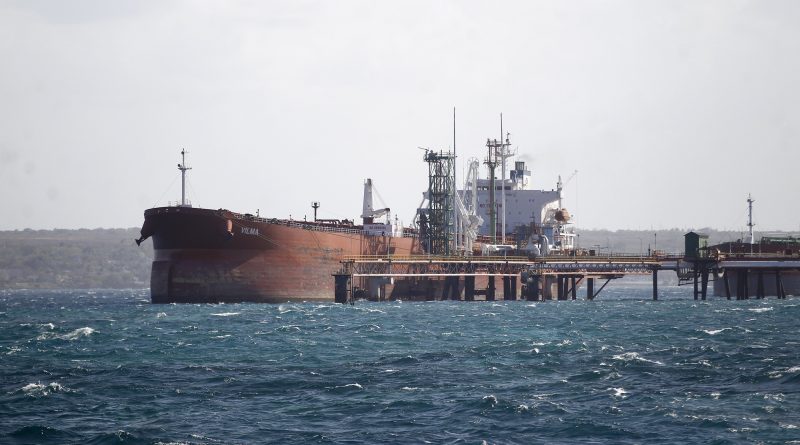
Satellite Imagery Captures Smoke Rising from Damaged Tankers in the Sea of Azov
Recent satellite imagery has documented smoke billowing from vessels struck in the Sea of Azov, near the strategically critical Kerch Strait, according to investigative journalists from the Ukrainian outlet “Skhemy” (Schemes). The photographs, captured from orbit, show at least one burning ship in the waters that connect the Sea of Azov to the Black Sea, providing visual confirmation of reported maritime incidents in this contested region. The imagery represents the latest evidence of ongoing hostilities affecting commercial shipping in waters that have become increasingly dangerous since the escalation of the Russia-Ukraine conflict.
The Kerch Strait has long been a focal point of geopolitical tension, serving as the only maritime passage between the Sea of Azov and the Black Sea. Russia constructed the Crimean Bridge across this waterway following its 2014 annexation of Crimea, and the strait has since become one of the most strategically significant chokepoints in the region. Control over these waters effectively determines access to major Ukrainian port cities, including Mariupol and Berdyansk, which were vital economic hubs before the full-scale invasion began in February 2022. The narrow passage, only about 4.5 kilometers wide at its narrowest point, has witnessed numerous confrontations and incidents throughout the conflict.
Maritime security experts have noted a significant increase in attacks on vessels operating in the Black Sea and Sea of Azov region over the past two years. Tankers transporting oil and petroleum products have become particularly vulnerable targets, as both sides recognize the strategic importance of disrupting fuel supplies. The ships photographed by satellite appear to be part of the so-called “shadow fleet” — vessels often operating under flags of convenience that transport Russian oil despite international sanctions imposed following the invasion of Ukraine. These tankers frequently lack proper insurance and safety certifications, raising concerns about environmental disasters should they sink or spill their cargo.
The environmental implications of damaged tankers in these enclosed waters are particularly concerning to regional authorities and international environmental organizations. The Sea of Azov is one of the world’s shallowest seas, with an average depth of only 7 meters, making it exceptionally vulnerable to pollution. The body of water supports significant fishing industries and serves as a crucial habitat for numerous species of fish and migratory birds. Any substantial oil spill in these waters could have catastrophic and long-lasting effects on the marine ecosystem, with cleanup operations made more difficult by the ongoing military conflict in the surrounding areas.
Ukrainian forces have demonstrated increasing capability to strike targets in the Black Sea and Sea of Azov using a combination of naval drones, cruise missiles, and other precision-guided munitions. Since the beginning of the full-scale invasion, Ukraine has successfully targeted numerous Russian naval vessels, including the flagship cruiser Moskva, which sank in April 2022 after being struck by Neptune anti-ship missiles. These operations have significantly degraded Russia’s Black Sea Fleet and forced many vessels to relocate from their traditional base in Sevastopol to ports further from Ukrainian strike range, fundamentally altering the naval balance in the region.
The satellite documentation of these incidents serves multiple purposes beyond simple news reporting. Such imagery provides independent verification of military claims made by both sides in the conflict, helps insurance companies assess risks for vessels operating in the region, and creates a historical record of events that may prove valuable for future accountability processes. Organizations like Schemes have played a crucial role throughout the conflict in using open-source intelligence, including commercial satellite imagery, to document events that would otherwise remain hidden from public view. Their work has exposed everything from missile strikes on civilian infrastructure to the movement of military equipment.
International shipping associations have repeatedly warned commercial vessels about the dangers of operating in the Black Sea and Sea of Azov since February 2022. Insurance premiums for ships entering these waters have skyrocketed, and many legitimate shipping companies have ceased operations in the region entirely. However, the lucrative trade in Russian oil has ensured that some vessels continue to make the journey, accepting heightened risks in exchange for substantial profits. The burning ships captured in this latest satellite imagery serve as a stark reminder that these waters remain an active conflict zone where commercial vessels can quickly become casualties of war.
}