“The War Must Be Brought Back to Russia”: Zelensky’s Key Statements in Sky News Interview
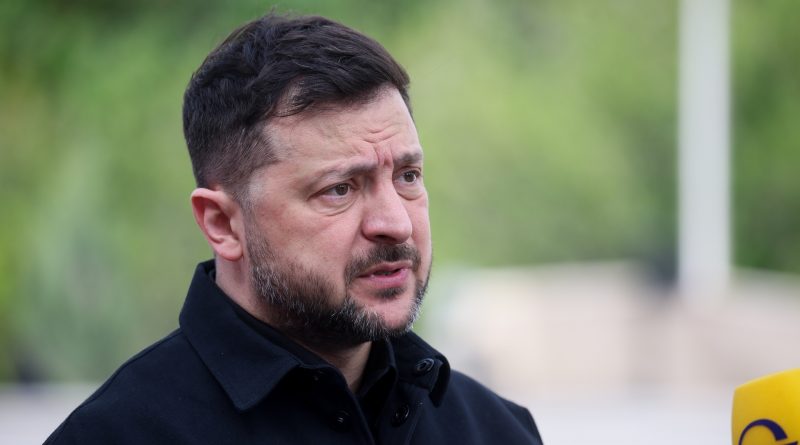
Ukrainian President Volodymyr Zelensky delivered a series of significant statements during an extensive interview with British broadcaster Sky News, outlining Ukraine’s evolving military strategy and diplomatic expectations as the conflict approaches a critical juncture. The Ukrainian leader emphasized that Kyiv is adopting a more assertive approach to the war, suggesting that military operations should increasingly target Russian territory rather than remaining purely defensive. This shift in rhetoric signals a potential escalation in Ukraine’s tactical thinking as Western support remains a crucial factor in the ongoing conflict.
Speaking about the anticipated meeting with former U.S. President Donald Trump, Zelensky expressed cautious optimism while acknowledging the uncertainty surrounding potential changes in American foreign policy. The Ukrainian president noted that any meeting with Trump would focus on securing continued military and financial support for Ukraine’s defense efforts. Relations between Kyiv and Washington have been a cornerstone of Ukraine’s resistance since the full-scale invasion began in February 2022, with the United States providing over $75 billion in various forms of assistance, including advanced weapons systems, intelligence sharing, and economic support. Zelensky understands that maintaining bipartisan American support is essential for Ukraine’s long-term security prospects.
One of the most pressing issues Zelensky addressed was the critical need for additional Patriot missile systems and interceptor missiles. Ukraine currently operates several Patriot batteries provided by Western allies, but the demand for air defense far exceeds available resources. The Patriot system, developed by Raytheon in the United States, has proven highly effective against Russian ballistic missiles, cruise missiles, and Iranian-supplied Shahed drones that have been devastating Ukrainian civilian infrastructure. Each Patriot battery costs approximately $1 billion, and individual interceptor missiles can cost between $3-4 million each, making sustained defense an enormously expensive proposition. Zelensky emphasized that without adequate air defense coverage, Ukrainian cities remain vulnerable to the relentless Russian bombardment that has killed thousands of civilians and destroyed critical energy infrastructure.
The Ukrainian president also touched upon the sensitive topic of mobilization, acknowledging the difficulties in maintaining adequate troop levels after nearly three years of intensive combat. Ukraine has faced significant challenges in balancing the need for fresh soldiers with the economic necessity of keeping skilled workers in civilian industries. Recent mobilization law amendments have lowered the conscription age and tightened regulations on draft evasion, reflecting the strain on Ukraine’s human resources. Military analysts estimate that Ukraine has suffered tens of thousands of casualties, though exact figures remain classified. Russia, meanwhile, has compensated for its own substantial losses through continuous recruitment drives, prison conscription programs, and the deployment of foreign fighters from countries like North Korea, which reportedly has sent troops to support Russian operations.
The concept of “bringing the war back to Russia” represents a significant evolution in Ukrainian military doctrine. Since mid-2024, Ukraine has conducted increasingly bold operations inside Russian territory, including the surprise offensive into Russia’s Kursk region that captured significant territory and demonstrated Ukraine’s capacity for offensive operations. Ukrainian forces have also launched numerous drone strikes deep inside Russia, targeting military installations, oil refineries, and infrastructure facilities hundreds of kilometers from the border. These operations serve multiple purposes: disrupting Russian logistics, forcing Moscow to divert defensive resources from the Ukrainian front, and demonstrating to the Russian population that the war has consequences beyond distant battlefields. Western allies have expressed mixed reactions to these operations, with some cautioning against escalation while others recognize the strategic value of keeping Russian forces off-balance.
The interview comes at a crucial moment in the conflict’s trajectory, with winter approaching and both sides preparing for what could be decisive months ahead. Russian forces have maintained pressure along multiple front lines, particularly in the Donbas region, while Ukrainian forces work to consolidate defensive positions and preserve their operational capabilities. International diplomatic efforts continue, with various peace proposals being discussed, though significant gaps remain between the positions of Kyiv and Moscow. Zelensky has consistently maintained that any peace agreement must respect Ukraine’s territorial integrity and sovereignty, rejecting proposals that would require territorial concessions to Russia. The Ukrainian president’s statements to Sky News underscore his determination to maintain international attention on the conflict and secure the resources necessary for continued resistance.
As the international community watches developments closely, Zelensky’s messaging reflects both the urgency of Ukraine’s military situation and the diplomatic sophistication required to maintain a broad coalition of support. The Ukrainian leader must balance domestic morale, international diplomacy, and military realities while facing an adversary with significantly greater resources. His emphasis on taking the fight to Russian territory represents an attempt to change the strategic calculus and demonstrate that time may not necessarily favor Moscow, despite Russia’s advantages in population and industrial capacity. The coming months will reveal whether this more aggressive posture yields the desired results on both the battlefield and at the negotiating table.