Does Ukraine Have Enough People for War? Chief of General Staff Hnatov Explains the Front Lines, Stalled Negotiations, and Greatest Challenges
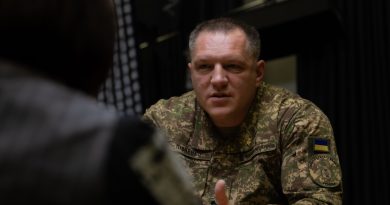
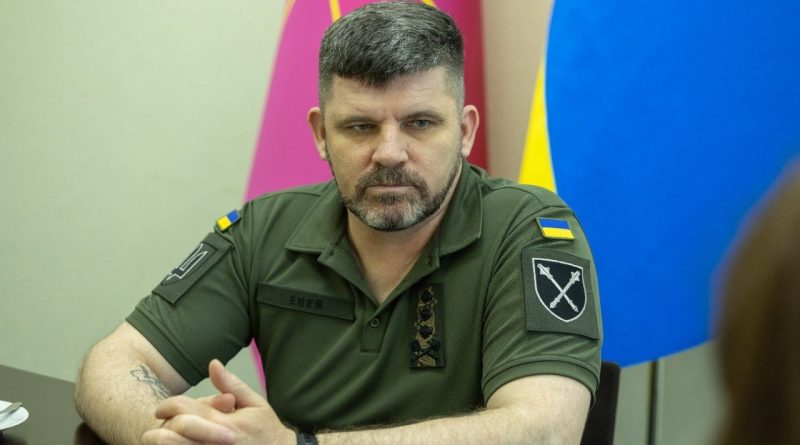
As the war in Ukraine enters its fourth year, fundamental questions about the country’s ability to sustain its defense effort have moved to the forefront of military and political discussions. In a recent comprehensive interview, Ukraine’s Chief of the General Staff, Anatoliy Hnatov, addressed the most pressing concerns facing the Ukrainian Armed Forces: the situation on multiple front lines, the reasons behind stalled peace negotiations, and what he considers the most dangerous challenge threatening Ukraine’s continued resistance against Russian aggression.
The question of human resources has become perhaps the most sensitive and critical issue for Ukraine’s military leadership. With a population significantly smaller than Russia’s — approximately 37 million compared to Russia’s 144 million before the full-scale invasion — Ukraine faces inherent demographic constraints in a prolonged war of attrition. General Hnatov acknowledged the challenges but emphasized that the Ukrainian military has been implementing various strategies to address personnel needs, including improved recruitment processes, enhanced training programs, and more efficient rotation systems to prevent combat fatigue among front-line units.
The situation on the front lines remains complex and dynamic, with fighting concentrated across several key sectors. The eastern front, particularly in the Donetsk region, continues to see the most intense combat operations, with Russian forces maintaining pressure on Ukrainian defensive positions near towns such as Bakhmut, Avdiivka, and Marinka. In the south, Ukrainian forces have been working to consolidate gains made during the 2023 counteroffensive while defending against Russian attempts to regain lost territory. Hnatov noted that while the front line has remained relatively stable in recent months, this stability comes at a significant cost in terms of ammunition expenditure and personnel losses on both sides.
The Chief of General Staff provided insights into why peace negotiations have repeatedly stalled despite international pressure for a diplomatic resolution. According to Hnatov, the fundamental obstacle remains Russia’s unwillingness to accept Ukraine’s territorial integrity and sovereignty — principles that Kyiv considers non-negotiable. Previous negotiation attempts, including the early talks in Belarus and Turkey in 2022, collapsed when evidence of Russian war crimes in Bucha and other liberated territories made continued dialogue politically impossible. The military leadership maintains that any sustainable peace agreement must include security guarantees that would prevent future Russian aggression, a condition that Moscow has consistently rejected.
Historical context is essential for understanding the current situation. Ukraine’s military transformation since 2014, when Russia first invaded and annexed Crimea, has been remarkable. The Armed Forces have evolved from a post-Soviet military with outdated equipment and doctrine into a battle-hardened force capable of conducting complex combined arms operations. Western military assistance, including advanced weapons systems, intelligence sharing, and extensive training programs conducted in NATO countries, has been instrumental in this transformation. However, Hnatov emphasized that Ukrainian soldiers have paid the highest price for this evolution, learning modern warfare through direct combat experience against a numerically superior enemy.
When asked about the most dangerous challenge facing Ukraine, General Hnatov pointed to multiple interconnected threats. The ongoing shortage of artillery ammunition remains critical, as Ukrainian forces often fire significantly fewer shells than their Russian counterparts. Air defense capabilities, while strengthened by Western-supplied systems like Patriot and NASAMS, still cannot fully protect Ukrainian cities and infrastructure from Russian missile and drone attacks. Perhaps most concerning is the potential for Western support to waver, particularly as political dynamics shift in key allied countries. The upcoming elections in the United States and changing priorities in European capitals create uncertainty that Russian leadership may attempt to exploit through prolonged military pressure.
The mobilization question continues to generate significant debate within Ukrainian society. Recent legislative changes have lowered the conscription age and tightened regulations to address draft evasion, but implementation remains challenging. Hnatov acknowledged that balancing military needs with economic sustainability is crucial — Ukraine must maintain enough workers in critical industries to keep the economy functioning while also fielding sufficient forces to defend the country. Military experts estimate that Ukraine needs to maintain active forces of approximately 800,000 to one million personnel to effectively defend its extensive front line, which stretches over 1,000 kilometers.
Looking ahead, the Chief of General Staff expressed cautious optimism about Ukraine’s strategic position while remaining realistic about the challenges ahead. The arrival of F-16 fighter jets, continued Western military support, and Ukraine’s growing domestic weapons production capacity provide reasons for hope. However, Hnatov stressed that the war’s outcome will ultimately depend on sustained international support, Ukraine’s ability to adapt to evolving battlefield conditions, and the resilience of Ukrainian society in the face of continued Russian aggression. As winter approaches and both sides prepare for another difficult season of fighting, the questions Hnatov addressed in his interview remain central to understanding whether Ukraine can maintain its defensive capabilities for as long as necessary to achieve a just and lasting peace.