Passions Over ‘UPA Heroes’: Why the Historical Dispute with Poland Has Become a Problem for Ukraine
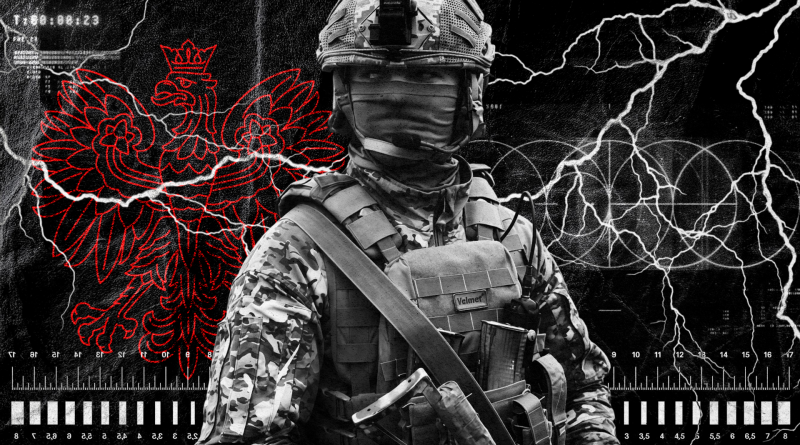
The relationship between Ukraine and Poland, once celebrated as a model of post-Soviet partnership and solidarity, has entered turbulent waters as Warsaw issues increasingly stern ultimatums to Kyiv over unresolved historical grievances. At the heart of this diplomatic crisis lies the contentious legacy of the Ukrainian Insurgent Army (UPA) and the tragic events of the Volyn massacre during World War II, which claimed the lives of tens of thousands of Polish civilians. As Ukraine fights for its survival against Russian aggression and desperately needs Western support, this historical dispute threatens to undermine one of its most crucial alliances.
The Polish government has made it abundantly clear that normalization of historical memory is a prerequisite for deeper integration between the two nations. Senior Polish officials have repeatedly stated that Ukraine’s path to European Union membership cannot bypass the resolution of these painful historical questions. Warsaw demands that Kyiv officially condemn the actions of the UPA, allow exhumations of Polish victims buried in Ukrainian territory, and cease the glorification of figures like Stepan Bandera, whom Poland considers responsible for ethnic cleansing. These demands have placed the Ukrainian government in an extraordinarily difficult position, caught between the need to maintain Western support and domestic political pressures from nationalist constituencies who view the UPA as freedom fighters against Soviet occupation.
The historical roots of this conflict trace back to the darkest period of the 20th century. Between 1943 and 1945, in the regions of Volyn and Eastern Galicia, Ukrainian nationalist forces carried out systematic attacks against Polish civilian populations. Historians estimate that between 50,000 and 100,000 Poles perished in what the Polish parliament officially recognized as genocide in 2016. For Poland, these events represent one of the most traumatic chapters of their national history, comparable in emotional weight to the Nazi occupation. The Ukrainian perspective, however, is more complicated. Many Ukrainians view the UPA primarily through the lens of their anti-Soviet resistance, emphasizing the organization’s role in fighting for Ukrainian independence during a period when the nation was caught between two totalitarian powers.
The commemoration of UPA figures has become increasingly prominent in Ukraine since the 2014 Euromaidan revolution and the subsequent Russian invasion of Crimea and the Donbas region. Streets have been renamed after Bandera and other nationalist leaders, monuments have been erected, and January 1st, Bandera’s birthday, was declared a day of remembrance. For many Ukrainians, especially in the western regions where the independence movement was strongest, these figures represent resistance against foreign domination. However, this rehabilitation of controversial historical figures has deeply wounded Polish sensibilities and provided ammunition for those in Warsaw who question Ukraine’s commitment to European values of historical reconciliation.
The timing of this dispute could not be more problematic for Kyiv. As Ukraine continues to defend itself against Russia’s full-scale invasion launched in February 2022, Poland has emerged as one of its most vital supporters. Polish territory serves as the primary corridor for Western military aid, Polish society has welcomed millions of Ukrainian refugees, and Warsaw has been among the most vocal advocates for Ukraine’s Euro-Atlantic integration. However, the political landscape in Poland has shifted, and successive governments have made historical reconciliation a non-negotiable condition for continued advocacy of Ukrainian interests in European forums. Some Polish politicians have even suggested linking further military assistance to progress on historical issues, though this position remains controversial within Poland itself.
International observers and diplomatic experts have expressed concern about the instrumentalization of history in bilateral relations during such a critical period. Some analysts argue that Russia benefits enormously from any rift between Ukraine and its Western neighbors, and that Moscow has actively promoted narratives designed to exacerbate these historical tensions. The Kremlin’s propaganda apparatus has long portrayed Ukrainian nationalism as inherently fascist, and disputes with Poland over wartime atrocities provide convenient material for this narrative. Meanwhile, historians from both countries have called for a more nuanced approach that acknowledges the suffering of all victims while recognizing the complex circumstances of wartime violence that often saw atrocities committed by multiple parties.
The path forward remains uncertain, but some hopeful signs have emerged. Joint historical commissions have been established, and there have been instances of Ukrainian officials expressing regret for the Volyn tragedy, though critics argue these gestures have not gone far enough. The challenge for both nations is to find a formula that honors the memory of victims, acknowledges historical wrongs, and allows for the continued development of strategic partnership that serves the interests of both peoples. As Ukraine fights for its future as an independent, European nation, resolving this painful chapter of shared history may prove essential not just for Polish-Ukrainian relations, but for Ukraine’s broader aspirations of Western integration and democratic consolidation.