
Why Putin Continues to Strike Ukraine and When Russia May Be Ready for Genuine Negotiations
In recent weeks, Russia has dramatically intensified its missile and drone attacks against Ukrainian civilian infrastructure, particularly targeting major population centers including the capital city of Kyiv. Military analysts and Western intelligence officials are closely examining the strategic rationale behind this escalation, which comes at a critical juncture in the conflict. The pattern of strikes reveals not only Moscow’s immediate tactical objectives but also provides crucial insights into the Kremlin’s calculations regarding potential peace negotiations and the broader trajectory of the war.
The surge in attacks on civilian areas represents a significant shift in Russian military strategy. Rather than focusing exclusively on front-line military positions, the Kremlin has increasingly directed its long-range precision weapons toward urban centers, power stations, and civilian infrastructure deep within Ukrainian territory. Western defense analysts interpret this as a deliberate campaign of psychological pressure designed to break Ukrainian morale and force Kyiv into accepting unfavorable terms at any future negotiating table. The timing of these strikes often coincides with diplomatic initiatives or international summits, suggesting a calculated effort to demonstrate Russian military capability while negotiations are being discussed.
A critical factor enabling Russia’s intensified air campaign relates to reported difficulties with Ukraine’s air defense systems, particularly the American-made Patriot missile batteries. These sophisticated defense systems have been instrumental in protecting Ukrainian cities from Russian cruise missiles and ballistic weapons since their deployment in 2023. However, maintenance challenges, ammunition shortages, and the sheer volume of incoming Russian projectiles have strained Ukraine’s defensive capabilities. Each Patriot interceptor missile costs approximately three to four million dollars, while Russia has increasingly employed cheaper Iranian-designed Shahed drones in mass attacks specifically designed to exhaust Ukraine’s expensive air defense ammunition before launching more devastating cruise missile strikes.
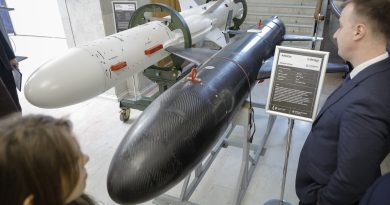
The economics of air warfare have become a significant factor in the conflict’s trajectory. Russia has adapted its attack methodology to exploit these vulnerabilities, often launching waves of relatively inexpensive drones to force Ukraine to expend costly interceptor missiles, followed by precision-guided weapons targeting the gaps created in air defense coverage. Military experts estimate that Russia has significantly increased its domestic production of missiles and drones, while also receiving substantial supplies from Iran and, according to Western intelligence reports, components from various countries despite international sanctions. This industrial capacity allows Moscow to sustain a prolonged bombardment campaign that Western officials worry may eventually overwhelm Ukrainian defenses without continued international support.
Western analysts who examined the most recent major strike on Kyiv identified several noteworthy tactical innovations and strategic messages embedded in the attack. The operation reportedly employed a complex combination of different weapon systems launched from multiple directions simultaneously, a technique designed to saturate air defense coverage and maximize the probability of successful strikes. Intelligence assessments suggest that Russia specifically timed and orchestrated the attack to demonstrate capabilities that would be relevant in any negotiation scenario, essentially using military action as a form of coercive diplomacy. The message, according to these analysts, is clear: Russia retains the ability to inflict significant damage on Ukrainian cities regardless of Western defensive aid.
The question of when Russia might genuinely be prepared for substantive peace negotiations remains central to understanding the current escalation. Historical precedent from previous Russian military campaigns, including operations in Chechnya, Georgia, and Syria, suggests that Moscow typically pursues negotiations seriously only when military objectives become unattainable or prohibitively costly. Currently, despite significant losses in personnel and equipment, the Russian leadership appears to believe that time favors their position. The Kremlin calculates that Western support for Ukraine may eventually wane due to economic pressures, political changes in key supporting nations, and general war fatigue among European and American populations. Until these calculations change, experts suggest Russia will likely continue its current approach of combining military pressure with rhetorical openness to talks.
The international community faces difficult decisions regarding how to respond to Russia’s intensified campaign against civilian targets. Some Western officials advocate for providing Ukraine with additional long-range strike capabilities and lifting restrictions on their use against targets within Russian territory, arguing that only raising the costs for Moscow will bring genuine willingness to negotiate. Others caution that such escalation risks dangerous confrontation between NATO and Russia. Meanwhile, Ukrainian officials continue to call for accelerated deliveries of air defense systems and ammunition, emphasizing that protecting civilian lives requires immediate action rather than prolonged deliberation. The coming months will likely prove decisive in determining whether diplomatic solutions become viable or whether the conflict continues its current destructive trajectory.
As winter approaches, the stakes of Russia’s infrastructure attacks become even more acute. Previous Russian campaigns targeting Ukraine’s power grid created humanitarian crises during cold months, leaving millions without heating and electricity. Ukrainian authorities have worked extensively to repair damaged facilities and create redundancy in critical systems, but the continuous bombardment threatens to overwhelm these efforts. International humanitarian organizations have warned that sustained attacks on civilian infrastructure constitute potential war crimes under international law, though enforcement mechanisms remain limited. For ordinary Ukrainians, the daily reality of air raid sirens and sheltering from attacks has become a grim routine, while the question of when genuine peace might become possible remains frustratingly uncertain.