Fedorov’s Ultimatum: Why Zelensky Hesitates to Dismiss Syrskyi and Ukraine Remains Without a Defense Minister
Ukraine finds itself in an unprecedented situation as the position of Defense Minister remains unfilled, creating a leadership vacuum at the highest levels of military administration during one of the most critical periods of the ongoing war with Russia. The delay in appointing a new defense chief has sparked intense speculation about internal power struggles within President Volodymyr Zelensky’s administration, with particular focus on the complex relationship between potential candidates and the current Commander-in-Chief of the Armed Forces, Oleksandr Syrskyi.
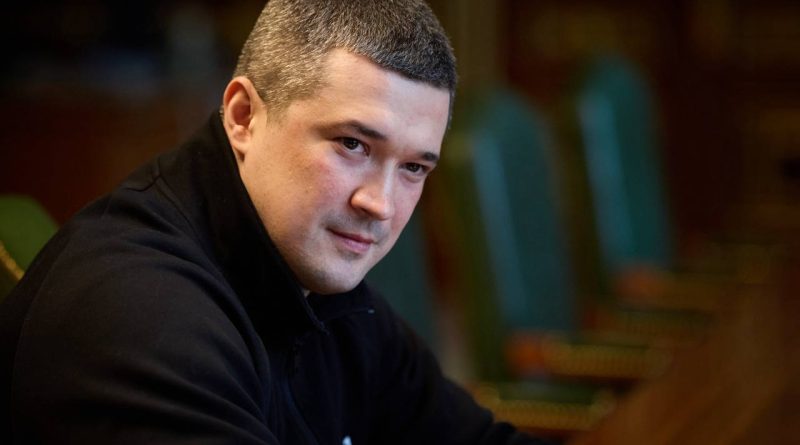
The primary candidate for the Defense Minister position, Mykhailo Fedorov, who currently serves as Deputy Prime Minister and Minister of Digital Transformation, has reportedly presented what amounts to an ultimatum to President Zelensky. According to multiple sources within the Ukrainian government, Fedorov has made it clear that he would only accept the defense portfolio if Commander-in-Chief Syrskyi is removed from his position. This demand has created a significant political impasse, as Zelensky appears unwilling to dismiss his top military commander amid ongoing combat operations.
Fedorov, aged 33, has been one of the most successful ministers in Zelensky’s cabinet, transforming Ukraine’s digital infrastructure and playing a crucial role in maintaining technological resilience during the war. His ministry has been instrumental in developing the Diia application, which has become a vital tool for Ukrainian citizens, and in coordinating the country’s cyber defense efforts. His potential transition to the Defense Ministry was seen by many as a strategic move to bring modern management approaches and technological innovation to Ukraine’s military apparatus, which has been criticized for bureaucratic inefficiencies.
The tension between civilian leadership and military command is not new in Ukraine’s defense establishment. General Syrskyi, who replaced the popular Valerii Zaluzhnyi as Commander-in-Chief in February 2024, has faced criticism from various quarters, including frontline soldiers and military bloggers who question his tactical decisions and leadership style. However, removing a military commander during active hostilities carries enormous risks, both operationally and in terms of troop morale. Zelensky must weigh these considerations against the potential benefits of installing a reform-minded Defense Minister with full authority to reshape the ministry.
The Defense Ministry position became vacant after Rustem Umerov’s tenure, which itself followed the dismissal of Oleksii Reznikov in September 2023 amid corruption scandals that plagued the ministry. The pattern of turnover at the top of Ukraine’s defense establishment reflects broader challenges in managing a wartime government while maintaining accountability and efficiency. Western allies, who provide billions of dollars in military assistance, have been closely watching how Ukraine handles its defense leadership, as institutional stability is considered essential for effective aid utilization.
Historical precedent offers limited guidance for Ukraine’s current dilemma. In modern warfare, the relationship between civilian defense ministers and military commanders has varied significantly across different conflicts. In the United States, for example, civilian control of the military is a foundational principle, with defense secretaries holding clear authority over uniformed leadership. However, Ukraine’s governmental structure and wartime conditions create a more complex dynamic, where the Commander-in-Chief reports directly to the President and operates with considerable autonomy in operational matters.
Analysts suggest that Zelensky’s reluctance to dismiss Syrskyi stems from multiple factors beyond simple loyalty. Removing a commander during active defensive and offensive operations could disrupt ongoing military planning, send negative signals to troops, and potentially embolden Russian forces. Additionally, finding a suitable replacement who commands respect among the military ranks while satisfying political requirements presents its own challenges. The pool of qualified candidates with both military expertise and political acceptability has narrowed significantly after nearly three years of full-scale war.
The standoff over the Defense Ministry appointment highlights deeper structural issues within Ukraine’s wartime governance. As the conflict enters its third year, the strain on institutions designed for peacetime operations becomes increasingly apparent. The need for clear chains of command, efficient resource allocation, and coordinated strategy requires resolution of the current leadership impasse. Whether Zelensky will ultimately choose to accommodate Fedorov’s demands, find another candidate willing to work alongside Syrskyi, or maintain the status quo remains uncertain, but the decision will have significant implications for Ukraine’s military effectiveness in the months ahead.