An Advocate for Ukrainian Interests: Why Lindsey Graham’s Death Is Devastating News for Kyiv
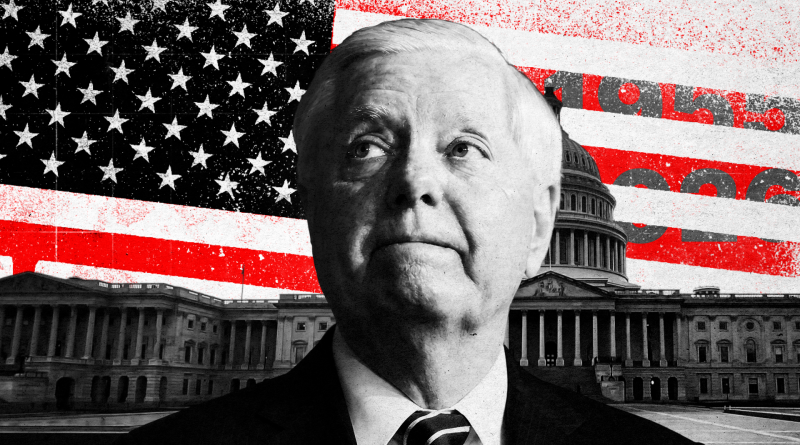
The sudden passing of Senator Lindsey Graham has sent shockwaves through the halls of Washington and capitals across Europe, but perhaps nowhere has the news landed with more profound implications than in Kyiv. The veteran South Carolina Republican, who served in the United States Senate for over two decades, had become one of the most vocal and influential advocates for continued American support of Ukraine in its ongoing conflict with Russia. His death represents not merely the loss of a political figure, but the removal of a crucial bridge between Ukrainian interests and the current American administration.
Graham’s relationship with Ukraine deepened significantly following Russia’s full-scale invasion in February 2022. He made multiple trips to Kyiv, often traveling under dangerous conditions to meet directly with President Volodymyr Zelensky and Ukrainian military commanders. These weren’t mere photo opportunities – Graham consistently returned to Washington armed with firsthand observations and passionate arguments for maintaining robust military and financial assistance to Ukraine. His close personal friendship with former Senator John McCain, another fierce advocate for Ukrainian sovereignty who passed away in 2018, seemed to fuel Graham’s commitment to the cause. Many observers noted that Graham appeared to have inherited McCain’s mantle as the Senate’s leading voice on supporting democratic allies against authoritarian aggression.
What made Graham particularly valuable to Ukrainian interests was his unique position within the Republican Party and his personal relationship with former President Donald Trump. While many traditional Republican hawks supported Ukraine, few possessed Graham’s ability to navigate the increasingly isolationist currents within the party while maintaining access to Trump’s inner circle. Graham had mastered the delicate art of publicly supporting Trump while privately advocating for policies that sometimes conflicted with the former president’s more skeptical stance toward continued Ukraine aid. This balancing act allowed him to serve as an effective intermediary, translating Ukrainian needs into arguments that resonated with the Trump administration’s worldview, often framing support for Kyiv as a strategic investment against Chinese ambitions or as a means of demonstrating American strength on the world stage.
The senator’s influence extended beyond mere advocacy. As a senior member of the Senate Armed Services Committee and the Judiciary Committee, Graham wielded significant legislative power that directly impacted Ukraine’s ability to receive American weapons and financial support. He played instrumental roles in crafting and passing multiple aid packages, often working across party lines to build coalitions that could overcome objections from both progressive Democrats skeptical of military spending and populist Republicans questioning foreign entanglements. His legal background – Graham served as a military lawyer in the Air Force – gave him credibility when discussing complex issues of international law, including his controversial but attention-grabbing calls for Russian President Vladimir Putin to be classified as a war criminal.
The question now facing Ukraine and its supporters in Washington is whether anyone can fill the void left by Graham’s passing. Several Republican senators have expressed support for Ukraine, including Minority Leader Mitch McConnell, who has been a consistent advocate for transatlantic alliances and robust defense spending. However, McConnell, now in his eighties and having faced health challenges of his own, lacks the same personal rapport with Trump that Graham cultivated over years of golf games and political maneuvering. Other potential advocates, such as Senator Roger Wicker of Mississippi or Senator Dan Sullivan of Alaska, possess relevant committee positions but lack Graham’s media savvy and ability to dominate news cycles with provocative statements that kept Ukraine in the American public consciousness.
The timing of Graham’s death adds another layer of complexity to an already uncertain situation. With American political attention increasingly focused on domestic concerns and upcoming elections, maintaining momentum for Ukraine aid was already proving challenging. Graham’s ability to command media attention and frame continued support as a matter of American national interest rather than charity for a distant country proved invaluable in keeping the issue prominent. His passing comes at a moment when some polls suggest American public enthusiasm for prolonged involvement in the conflict may be waning, particularly among Republican voters who have been influenced by voices questioning the value of continued investment in Ukrainian defense.
For President Zelensky and his government, Graham’s death represents the loss of not just a political ally but something approaching a personal friend. The senator’s emotional investment in Ukraine’s cause was evident in his public statements, which often included vivid descriptions of the destruction he witnessed and the resilience of the Ukrainian people he encountered. This personal connection translated into political capital that cannot be easily replaced by cultivating new relationships with other American lawmakers. As Kyiv navigates an increasingly complex international landscape, the absence of such a passionate and well-positioned advocate in Washington may prove to be one of the conflict’s most significant diplomatic casualties, potentially affecting the trajectory of American support at a critical moment in the war’s evolution.