Moldova’s Foreign Minister Calls Church Affiliation a ‘Delicate Matter’ Best Left to Believers
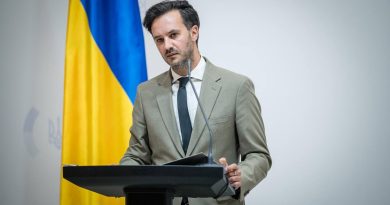
Moldova’s Minister of Foreign Affairs, Mihai Popșoi, has addressed the sensitive issue of the Russian Orthodox Church’s presence in Moldova, emphasizing that the government should maintain a policy of non-interference in religious affairs. Speaking on the matter, Popșoi described the question of church affiliation as “delicate” and stressed that believers themselves should be the ones to determine the future of their religious institutions, rather than having decisions imposed upon them by state authorities.
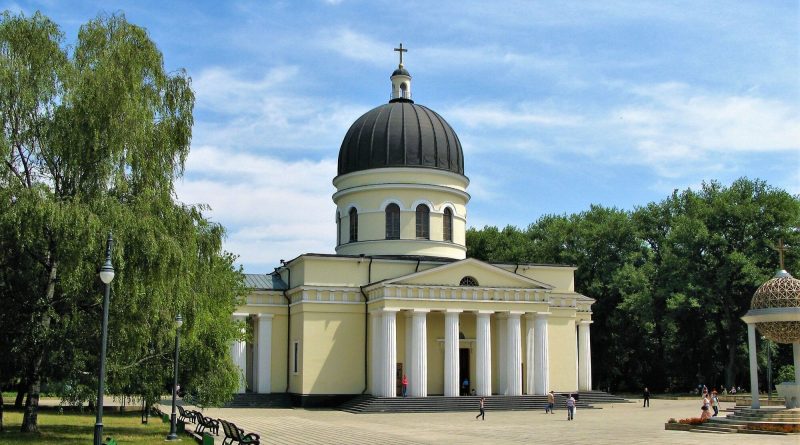
The statement comes amid ongoing discussions across Eastern Europe regarding the role and influence of the Moscow Patriarchate in countries that were formerly part of the Soviet Union. In Moldova, as in neighboring Ukraine, questions about religious affiliation have become increasingly intertwined with broader geopolitical tensions following Russia’s invasion of Ukraine in February 2022. The Moldovan Orthodox Church, which remains canonically subordinate to the Russian Orthodox Church, represents the largest religious denomination in the country, with millions of adherents.
The relationship between the Moldovan Orthodox Church and the Moscow Patriarchate has deep historical roots dating back centuries. When Moldova was part of the Russian Empire and later the Soviet Union, religious institutions were organized under Moscow’s ecclesiastical authority. After Moldova declared independence in 1991, the country found itself with two competing Orthodox churches: the Moldovan Orthodox Church under the Moscow Patriarchate and the Metropolis of Bessarabia under the Romanian Orthodox Church. This division has persisted for over three decades, occasionally causing tensions within Moldovan society.
Popșoi’s careful approach reflects the Moldovan government’s desire to avoid inflaming religious divisions while the country navigates a complex geopolitical landscape. Moldova, which shares a border with Ukraine and has experienced its own tensions with Russia over the breakaway region of Transnistria, has been pursuing closer ties with the European Union. In June 2022, Moldova was granted EU candidate status, marking a significant step in its Western integration efforts. However, the government appears conscious that aggressive moves against Russian-affiliated religious institutions could alienate a significant portion of the population.
Religious experts note that the situation in Moldova differs significantly from neighboring Ukraine, where the Orthodox Church of Ukraine formally received independence from Moscow in 2019 and where the government has taken more direct action against Moscow-affiliated religious institutions following the full-scale invasion. In Ukraine, the Security Service has conducted searches at monasteries and the parliament has passed legislation aimed at banning religious organizations with ties to Russia. Moldova, by contrast, appears to be taking a more cautious approach, allowing religious communities to make their own decisions about affiliation.
The question of church-state relations in post-Soviet countries remains highly complex, touching on issues of national identity, cultural heritage, and geopolitical alignment. For many believers in Moldova, the Orthodox Church represents not just a spiritual home but a connection to centuries of tradition and community life. Any attempt by the government to forcibly sever ties with Moscow could be perceived as an attack on religious freedom and could potentially backfire politically. At the same time, critics argue that the Moscow Patriarchate has been used as a tool of Russian soft power and that its continued influence poses challenges to Moldova’s sovereignty.
Popșoi’s statement suggests that the Moldovan government is attempting to thread a difficult needle, acknowledging concerns about Russian influence while respecting the principle of religious freedom. By leaving the decision to believers themselves, authorities hope to avoid the accusation of state interference in religious matters while potentially allowing for organic change within religious communities. Whether this approach will satisfy both those concerned about Russian influence and those who value the traditional ties of the Moldovan Orthodox Church remains to be seen. As Moldova continues its European integration path, the question of religious affiliation will likely remain a sensitive topic requiring careful diplomatic handling.