Negotiations with Russia Only Effective from Position of Strength, Finnish President Stubb Argues
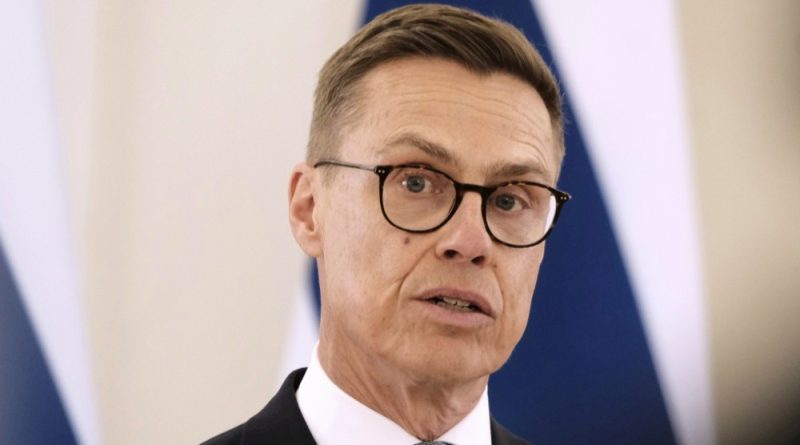
Finnish President Alexander Stubb has made pointed remarks regarding the ongoing efforts toward a peaceful resolution of the conflict in Ukraine, emphasizing that diplomatic engagement with Russia should only occur when Moscow is not operating from a position of strength. The Finnish leader’s comments reflect a hardening stance among Nordic and Baltic nations toward their eastern neighbor, shaped by decades of experience navigating complex relations with the Kremlin.
Stubb’s perspective carries particular weight given Finland’s unique historical and geographical relationship with Russia. The two countries share an 830-mile border, the longest between Russia and any European Union member state. Finland’s approach to Russia has evolved dramatically since the country abandoned its traditional policy of military neutrality in 2023, joining NATO in response to Russia’s full-scale invasion of Ukraine. This historic shift ended more than seven decades of careful balancing between East and West that had defined Finnish foreign policy since World War II.
The Finnish president’s assessment aligns with a broader strategic consensus emerging among Western allies regarding negotiations with Moscow. Security analysts have long argued that Russia historically responds more favorably to demonstrations of strength rather than conciliatory gestures. This view is supported by numerous historical precedents, including the Cold War era when détente was achieved largely through maintaining robust military capabilities and alliance cohesion. The principle of negotiating from strength rather than weakness has been a cornerstone of Western diplomatic strategy toward adversarial powers for generations.
Finland’s transformation from a neutral buffer state to an active NATO member represents one of the most significant geopolitical shifts in European security architecture since the end of the Cold War. The country brings substantial military capabilities to the alliance, including one of Europe’s largest artillery arsenals, a well-trained reserve force of approximately 900,000 personnel, and extensive experience in Arctic and winter warfare. Finnish military doctrine has been specifically designed to counter potential Russian aggression, making the country’s strategic insights particularly valuable to ongoing discussions about European security.
The timing of Stubb’s comments coincides with intensifying diplomatic efforts to find a path toward ending the conflict in Ukraine, which has now continued for over two years. Various peace proposals have been floated by international mediators, though none have gained significant traction. Western leaders remain divided on the optimal approach to negotiations, with some advocating for immediate talks while others, like Stubb, counsel patience until the military and economic balance shifts more decisively against Moscow. The Finnish position reflects concerns that premature negotiations could reward Russian aggression and potentially embolden future territorial ambitions.
Economic factors also play a crucial role in the calculus of negotiating positions. Western sanctions have placed significant pressure on the Russian economy, though the full effects have taken longer to materialize than initially anticipated. Energy revenue streams have been disrupted, technology transfers restricted, and financial isolation has complicated Russian commercial activities. However, Russia has demonstrated considerable resilience, finding alternative markets and developing workarounds for some restrictions. The question of whether current pressure is sufficient to alter Russian negotiating behavior remains a subject of intense debate among economists and foreign policy experts.
President Stubb’s remarks also reflect lessons learned from Finland’s own history of dealing with Soviet and Russian pressure. The concept of “Finlandization” – referring to the compromises Finland made during the Cold War to maintain its independence while accommodating Soviet security concerns – has become a cautionary term in international relations. Modern Finnish leaders are determined to avoid any return to such arrangements, both for their own country and for Ukraine. The Finnish experience suggests that lasting agreements with Moscow require clear boundaries and credible deterrence, rather than unilateral concessions that might be interpreted as weakness.
As diplomatic efforts continue, Stubb’s perspective adds an important voice to the ongoing debate about how and when to engage Russia in meaningful negotiations. The Finnish president’s comments underscore the complexity of finding a peaceful resolution that does not simply freeze the current conflict in place or create conditions for future Russian aggression. For Finland and its Nordic and Baltic neighbors, the stakes extend far beyond Ukraine, encompassing the fundamental principles of European security that will shape the continent for generations to come.