Ambassadors of Germany, France, and Britain Visit Russian Foreign Ministry Amid Ongoing EU-Russia Diplomatic Channels
In a significant diplomatic development, the ambassadors of Germany, France, and the United Kingdom arrived at the Russian Foreign Ministry in Moscow for consultations, signaling continued engagement between major European powers and Russia despite ongoing tensions over the conflict in Ukraine. The visit comes at a critical juncture in European-Russian relations, as both sides navigate complex geopolitical challenges while maintaining essential communication channels.
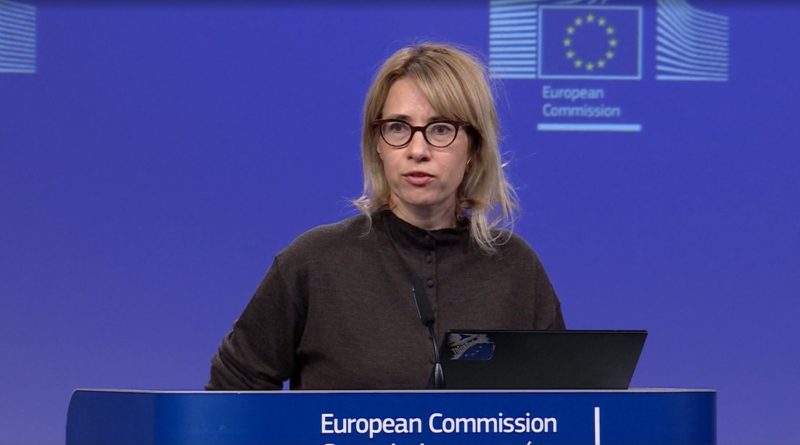
The European Commission spokesperson confirmed that discussions with Russia are continuing at various levels, underscoring the EU’s commitment to keeping diplomatic avenues open even amid profound disagreements. This statement reflects the delicate balance European nations must strike between maintaining pressure on Moscow over its actions in Ukraine while preserving the ability to communicate on matters of mutual concern, including energy security, regional stability, and potential peace negotiations.
The involvement of ambassadors from Europe’s three most influential nations—Germany, France, and the United Kingdom—carries particular weight in the current diplomatic landscape. Germany, as Europe’s largest economy and a nation historically dependent on Russian energy supplies, has been navigating a complex transition away from Russian gas while maintaining diplomatic contacts. France, under President Emmanuel Macron’s leadership, has consistently advocated for dialogue with Moscow, with Macron himself engaging in numerous phone conversations with Russian President Vladimir Putin since the conflict began. The United Kingdom, despite its departure from the European Union, remains closely aligned with European security interests and has been among the most vocal critics of Russian military actions.
The trilateral nature of this diplomatic engagement echoes the E3 format that has been employed in various international negotiations, most notably the Iran nuclear talks. This grouping represents the European pillar of Western diplomacy and often serves as a bridge between American positions and broader European concerns. Their collective presence at the Russian Foreign Ministry suggests a coordinated approach to whatever issues are currently under discussion.
Historical context is essential to understanding the significance of such diplomatic contacts. Relations between Europe and Russia have experienced dramatic shifts over the past three decades, from the optimism of the post-Cold War era through periods of attempted partnership and reset, to the current state of severe strain following Russia’s actions in Crimea in 2014 and the full-scale military operation in Ukraine that began in February 2022. Despite unprecedented sanctions imposed on Russia by Western nations, complete diplomatic isolation has never been achieved or necessarily sought, as both sides recognize the importance of maintaining communication channels to prevent miscalculation and explore potential paths toward de-escalation.
Analysts observing European-Russian relations note that behind-the-scenes diplomacy often continues even when public rhetoric reaches its most confrontational points. The presence of high-level ambassadors at the Foreign Ministry could involve discussions ranging from consular matters and the treatment of citizens abroad to more substantive topics such as humanitarian corridors, prisoner exchanges, or preliminary discussions about conditions for future peace negotiations. The EU’s acknowledgment that talks continue at various levels suggests a multi-track approach that separates technical and humanitarian concerns from broader political disagreements.
The timing of this diplomatic activity is noteworthy as various international efforts to find a resolution to the Ukraine conflict continue. Multiple countries and international figures have offered mediation services, and there have been increasing calls from some quarters for negotiations to end the fighting. European nations find themselves balancing solidarity with Ukraine against domestic pressures related to energy costs, economic impacts of prolonged conflict, and the humanitarian dimensions of the crisis. The ambassadorial visit may be part of ongoing efforts to clarify positions, test the waters for potential negotiations, or address specific bilateral concerns that have accumulated during this period of heightened tensions.
Looking forward, the continuation of diplomatic contacts at multiple levels represents both a pragmatic recognition of geographic and economic realities and a commitment to the fundamental principles of international relations that prioritize dialogue over complete isolation. While the outcomes of such meetings rarely produce immediate breakthroughs, they maintain the essential infrastructure of communication that any eventual resolution will require. The European Commission’s confirmation of ongoing discussions suggests that despite public confrontations, the machinery of diplomacy continues to operate, keeping doors open for future engagement when conditions may prove more favorable for substantive progress.