
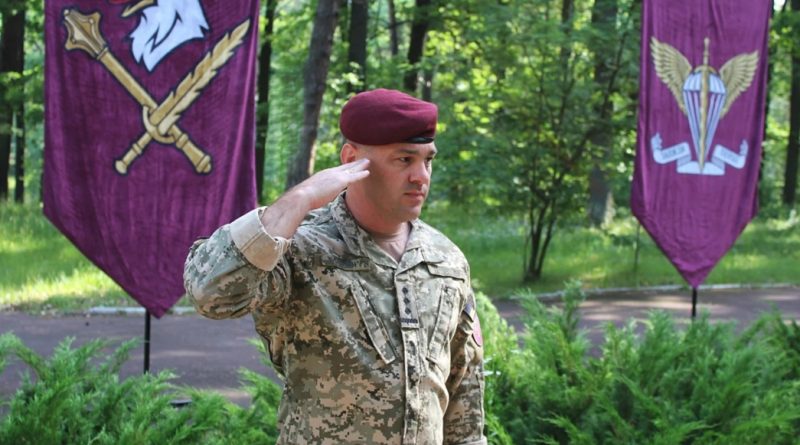
Ukraine Establishes Joint Rapid Reaction Forces: A Strategic Shift Toward Offensive Capability
Ukraine’s General Staff has unveiled plans to create a new branch within its Armed Forces — the Joint Rapid Reaction Forces (JRRF) — marking a significant evolution in the country’s military doctrine. This strategic initiative represents a deliberate move away from purely defensive operations toward building a force capable of conducting swift, decisive offensive maneuvers. The announcement comes as Ukraine continues to adapt its military structure to the realities of modern warfare, drawing lessons from over three years of intense combat operations.
According to military officials, the new rapid reaction forces will be staffed primarily with personnel who have demonstrated exceptional performance in offensive operations. The General Staff emphasized that combat experience, particularly in assault and breakthrough missions, will be the primary criterion for selection. This approach reflects a fundamental shift in Ukrainian military thinking, prioritizing battle-tested soldiers who have proven their ability to operate effectively under the most challenging conditions. The emphasis on offensive experience suggests Ukraine is preparing for more dynamic operational scenarios in the future.
The concept of rapid reaction forces is not new to modern militaries. NATO countries have long maintained similar units, with the NATO Response Force serving as a model for multinational rapid deployment capabilities. These forces are designed to respond quickly to emerging threats, conduct operations across the full spectrum of conflict, and project power where needed most. For Ukraine, establishing its own version represents both a step toward NATO interoperability and a recognition that future conflicts will require flexible, mobile forces rather than static defensive lines. The decision also aligns with lessons learned from recent operations where speed and adaptability proved crucial to success.
Military analysts suggest that the creation of the JRRF reflects Ukraine’s growing understanding of asymmetric warfare principles. Rather than matching adversaries soldier for soldier across extended front lines, rapid reaction forces allow for concentration of combat power at decisive points. This approach has historical precedent — from the German Blitzkrieg tactics of World War II to modern special operations methodology. The key advantage lies in the element of surprise and the ability to exploit enemy weaknesses before they can be reinforced. Ukrainian commanders have reportedly studied these historical examples extensively while developing their own operational concepts.
The organizational structure of the new forces will reportedly incorporate combined arms principles, bringing together infantry, armor, artillery, and drone units under unified command. This integration is essential for modern battlefield success, where no single arm can operate effectively in isolation. The inclusion of unmanned aerial systems is particularly noteworthy, as Ukraine has become a world leader in combat drone employment. The synergy between traditional military units and emerging technologies could give the JRRF significant advantages in reconnaissance, targeting, and direct engagement missions.
Training for the new rapid reaction forces will reportedly emphasize joint operations, rapid deployment exercises, and decision-making under pressure. Personnel selected for these units will undergo additional specialized training beyond their existing combat experience. The General Staff indicated that Western partners have offered support in developing training programs, potentially incorporating lessons from NATO’s own rapid response formations. This international cooperation underscores the importance placed on making the JRRF a truly professional, world-class military capability.
The establishment of the Joint Rapid Reaction Forces represents more than just a new military unit — it signals Ukraine’s long-term strategic vision. By investing in offensive capabilities and selecting the most experienced combat veterans, Ukraine is building a force designed not just to defend territory but to shape the battlefield proactively. As the conflict continues to evolve, the JRRF could become a decisive factor in future operations, providing Ukrainian commanders with options that were previously unavailable. The coming months will reveal how quickly this new force can be assembled, trained, and deployed to meet the challenges ahead.