Latvia Insists Negotiations with Russia Will Remain Futile Until Putin Changes His Objectives
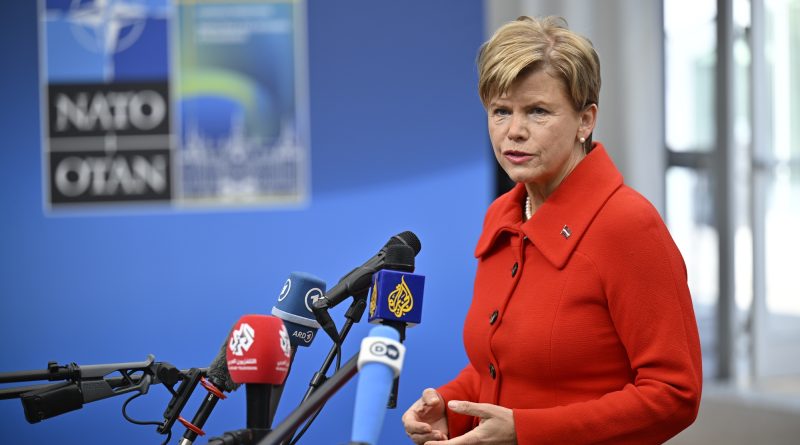
Latvia’s Foreign Minister Baiba Braže has delivered a stark assessment of the prospects for diplomatic engagement with Russia, declaring that any negotiations will prove fruitless as long as Russian President Vladimir Putin maintains his current strategic objectives regarding Ukraine. The Baltic nation’s top diplomat emphasized that meaningful dialogue cannot proceed while Moscow continues to pursue its expansionist agenda, signaling a firm stance that reflects the broader sentiment among NATO’s eastern flank members who share borders with Russia or its allies.
Speaking on the ongoing geopolitical tensions that have gripped Europe since Russia’s full-scale invasion of Ukraine in February 2022, Braže articulated a position that has become increasingly common among European leaders who remain skeptical of Russian intentions. The minister stressed that Europe must have a seat at the negotiating table whenever discussions about the continent’s future take place, rejecting any scenario where European security matters might be decided without direct European participation. This statement comes amid growing concerns that potential peace talks could be conducted primarily between Washington and Moscow, potentially sidelining European interests.
Latvia’s position carries particular weight given its unique historical and geographical circumstances. As a former Soviet republic that regained independence in 1991, Latvia has direct experience with Russian influence and occupation. The country shares a 214-kilometer border with Russia and has a significant Russian-speaking minority population, making it acutely sensitive to Moscow’s actions and rhetoric. Since joining both NATO and the European Union in 2004, Latvia has consistently advocated for robust collective defense measures and has been among the most vocal supporters of Ukraine’s sovereignty and territorial integrity.
The Baltic states—Latvia, Lithuania, and Estonia—have emerged as some of the most hawkish voices within the Western alliance regarding Russia policy. These nations have consistently warned their European partners about Russian ambitions long before the 2022 invasion, often expressing frustration that their concerns were dismissed or minimized by larger Western European countries that maintained closer economic ties with Moscow. The current conflict has largely vindicated their warnings, lending additional credibility to their assessments of Russian intentions and the requirements for meaningful negotiations.
Braže’s comments reflect a broader strategic calculation that has gained traction among security analysts and policymakers. The argument holds that negotiations conducted from a position of weakness, or while Russia believes it can achieve its military objectives, will inevitably result in terms favorable to Moscow. Proponents of this view contend that only when Putin recognizes that his goals are unattainable through military means will genuine diplomatic progress become possible. This perspective has informed the Western strategy of providing substantial military and economic support to Ukraine, with the aim of changing the battlefield calculus and eventually bringing Russia to the table in a more constructive posture.
The question of European representation in any future peace negotiations has become increasingly pressing as various diplomatic initiatives have been proposed. European leaders have expressed concern about being marginalized in discussions that will fundamentally shape the continent’s security architecture for decades to come. The principle that nothing about Europe should be decided without Europe has become a rallying cry for officials like Braže, who insist that any durable settlement must reflect European security interests and receive European endorsement. This includes considerations about future NATO expansion, the status of neutral countries, and the broader balance of power on the continent.
Latvia has backed its diplomatic stance with concrete action, contributing military equipment, humanitarian aid, and training support to Ukraine at levels that represent a significant portion of its national GDP. The country has also hosted additional NATO forces as part of the alliance’s enhanced forward presence and has invested heavily in its own defense capabilities. These commitments underscore the seriousness with which Riga views the current threat environment and its determination to contribute to collective security rather than merely rely on larger allies.
As the conflict in Ukraine continues with no immediate end in sight, statements like those from Minister Braže serve to outline the conditions under which Western nations might consider diplomatic engagement productive. The emphasis on Putin changing his objectives rather than merely agreeing to temporary ceasefires or partial withdrawals suggests that Latvia and like-minded nations will resist pressure to accept compromises that they believe would reward aggression and invite future conflicts. This firm stance represents both a moral position and a calculated assessment of what is required for lasting peace in Europe.