Ukrainian Air Defense Intercepts Nearly 90% of Russian Aerial Targets: Why the Threat Persists
Ukraine’s air defense systems have achieved an impressive interception rate of nearly 90% against Russian aerial attacks, according to Colonel Mykola Zaruba, a spokesperson for the Ukrainian Air Force. Despite this remarkable success rate, military officials warn that the threat from Russian missiles and drones remains significant due to the sheer volume of attacks and the evolving nature of the aerial assault campaign that has been ongoing since the early days of the full-scale invasion in February 2022.
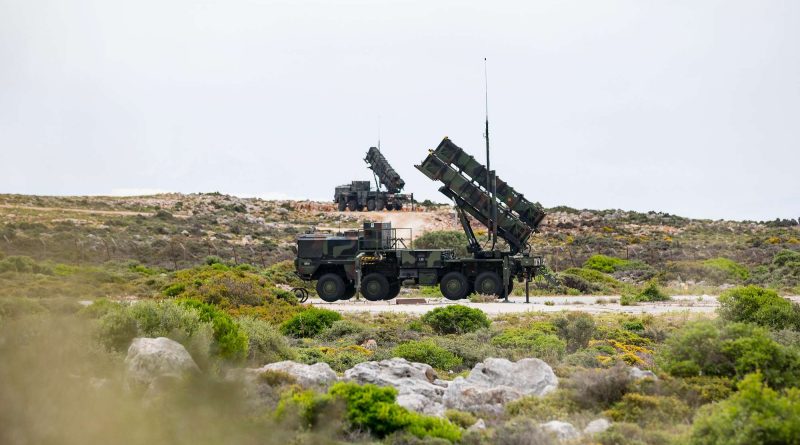
The high interception rate represents a substantial achievement for Ukrainian air defense forces, which have been operating under constant pressure for over two years. Colonel Zaruba explained that the effectiveness of the defense network has improved significantly through a combination of Western-supplied systems and domestically produced equipment working in coordination. The integration of various platforms, including American Patriot systems, German IRIS-T, and Soviet-era S-300 complexes, has created a layered defense architecture capable of engaging targets at multiple altitudes and ranges.
However, the colonel emphasized that even with a 90% success rate, the remaining 10% of missiles and drones that penetrate the defense network can cause devastating damage to civilian infrastructure, energy facilities, and residential areas. Russia has been launching massive combined attacks involving dozens of missiles and drones simultaneously, employing saturation tactics designed to overwhelm defensive capabilities. During a single night attack, Russia might launch 50 to 100 aerial threats, meaning that even with excellent interception rates, several projectiles may reach their intended targets.
The technical challenges facing Ukrainian air defense operators are substantial and multifaceted. Russia has diversified its arsenal to include ballistic missiles like the Iskander, cruise missiles such as the Kh-101 and Kalibr, and Iranian-designed Shahed drones, each requiring different interception strategies and response times. Ballistic missiles, traveling at speeds exceeding Mach 5, present particularly difficult targets due to their short flight times and steep trajectories. The Kinzhal hypersonic missile, which Russia has deployed in limited numbers, poses an even greater challenge due to its extreme velocity and maneuverability.
Western military analysts have noted that Ukraine’s air defense success represents one of the most intensive and prolonged anti-aircraft campaigns in modern warfare history. The continuous operation of these systems has placed enormous strain on equipment and personnel alike. Ammunition consumption remains a critical concern, with each Patriot missile costing approximately $4 million, while the Shahed drones they often target cost Russia an estimated $20,000 to $50,000 each. This economic asymmetry has prompted Ukraine to develop and deploy more cost-effective solutions, including electronic warfare systems that can disrupt drone guidance without expending expensive missiles.
The psychological dimension of the air campaign also cannot be overlooked. Russia’s strategy appears designed not only to destroy physical infrastructure but also to exhaust Ukraine’s defensive resources and terrorize the civilian population. Nighttime attacks have become routine, forcing millions of Ukrainians to seek shelter in metro stations and basements regularly. Colonel Zaruba acknowledged that maintaining high alert levels around the clock places tremendous psychological pressure on both military operators and civilians, yet the dedication of air defense crews has remained unwavering despite the grueling operational tempo.
Looking ahead, Ukrainian military officials have stressed the need for additional air defense systems and ammunition supplies from Western partners. The recent delivery of additional Patriot batteries has strengthened protection around major cities and critical infrastructure, but gaps remain in coverage, particularly in frontline areas and smaller population centers. The ongoing development of Ukraine’s domestic defense industry, including work on extended-range interceptor systems and improved drone detection capabilities, offers hope for enhanced protection in the future. As the aerial campaign continues, the battle between Russian offensive capabilities and Ukrainian defensive systems remains a critical factor in the broader conflict, with both sides continuously adapting their tactics and technologies.