Ukrainian Forces Strike Russian Naval Base, Arsenal and Oil Facilities in Major Overnight Attack
Ukrainian military forces have conducted a significant coordinated strike against multiple strategic targets deep within Russian territory, marking one of the most extensive long-range operations in recent months. The attack targeted the historic naval base in Kronstadt near St. Petersburg, a Russian Navy arsenal, and several oil infrastructure facilities across the country. Ukrainian defense officials revealed details of the operation, which they say came as a direct response to Russian President Vladimir Putin’s rejection of a peace proposal put forward by Ukrainian President Volodymyr Zelensky.
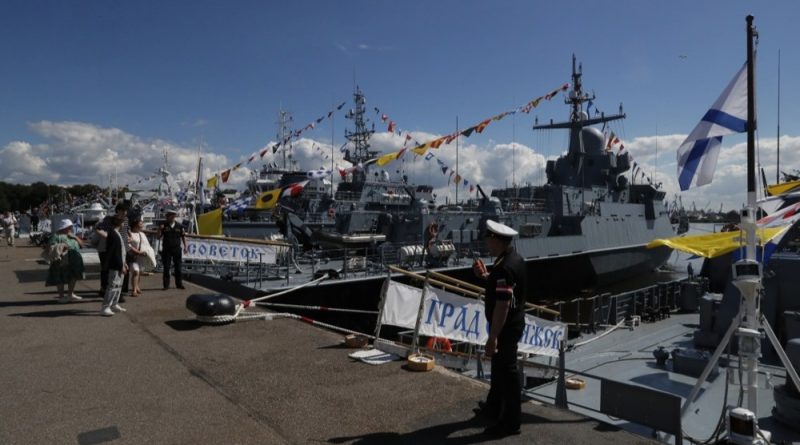
The strike on Kronstadt represents a particularly symbolic blow to Russian military prestige. Located on Kotlin Island in the Gulf of Finland, approximately 30 kilometers west of St. Petersburg, Kronstadt has served as the primary base of the Russian Baltic Fleet since its founding by Peter the Great in 1704. The naval installation houses critical infrastructure including ship repair facilities, weapons storage depots, and command centers that coordinate Russian naval operations in the Baltic Sea region. Military analysts note that successful strikes on such a historically significant and heavily defended location demonstrate Ukraine’s growing capability to project force across vast distances.
The targeting of Russian oil facilities continues Ukraine’s strategic campaign to degrade the economic foundations of Russia’s war effort. Since the full-scale invasion began in February 2022, Ukraine has increasingly focused on energy infrastructure, recognizing that oil and gas revenues constitute a substantial portion of the Russian federal budget and directly fund military operations. Industry experts estimate that Russian oil refining capacity has been reduced by approximately 15-20 percent since Ukraine began systematically targeting these facilities in early 2024. Each successful strike forces Russia to import refined petroleum products at higher costs while simultaneously reducing export revenues.
The attack on the Russian Navy arsenal adds another dimension to Ukraine’s targeting strategy. Naval weapons storage facilities contain missiles, torpedoes, mines, and other munitions that support Russian fleet operations in both the Black Sea and Baltic Sea. The destruction of such stockpiles has immediate tactical implications, potentially limiting Russia’s ability to conduct missile strikes against Ukrainian cities and infrastructure. Since the sinking of the cruiser Moskva in April 2022 and subsequent successful operations against Russian naval vessels, Ukraine has effectively contested Russian dominance in the Black Sea despite possessing no conventional navy of its own.
Ukrainian officials emphasized that the timing of these strikes was not coincidental, coming shortly after President Putin publicly dismissed President Zelensky’s latest peace initiative. The Ukrainian proposal reportedly included provisions for territorial negotiations, security guarantees, and a framework for ending hostilities. Putin’s categorical rejection, which Russian state media portrayed as a show of strength, instead prompted Kyiv to demonstrate that continued aggression would carry escalating costs for Moscow. This pattern of responding to diplomatic rebuffs with military action has become a consistent element of Ukrainian strategic communication.
Western military analysts have expressed measured admiration for Ukraine’s long-range strike capabilities, which have evolved significantly since the war’s early phases. The operations likely employed a combination of domestically produced drones, including various models developed and manufactured within Ukraine during the conflict, and possibly longer-range systems acquired through international partnerships. The Neptune anti-ship missile, originally designed to protect Ukrainian coastal waters, has been adapted for land-attack missions, while newer systems reportedly have ranges exceeding 1,000 kilometers. This indigenous defense industrial capacity represents one of the unexpected developments of the war.
The strategic implications of these strikes extend beyond their immediate material impact. By demonstrating the ability to reach targets across European Russia, including near major population centers like St. Petersburg, Ukraine maintains psychological pressure on Russian leadership and the civilian population. Russian air defense systems, despite substantial investments and deployments, have proven unable to provide comprehensive protection across the country’s vast territory. As the conflict enters its fourth year, these deep strikes serve as a reminder that the costs of continued aggression will only mount, potentially influencing both military calculations in Moscow and the broader trajectory of international diplomatic efforts to end the war.