Ukraine Has Learned to Contain Russia Despite Growing War Fatigue, The Economist Reports
After more than three years of full-scale conflict, Ukraine has demonstrated a remarkable ability to hold its defensive lines against Russian forces, developing sophisticated military tactics and leveraging Western weapons systems to neutralize Moscow’s numerical advantages. According to a detailed analysis by The Economist, Ukrainian forces have effectively learned how to contain Russian military advances, transforming what many initially feared would be a swift Russian victory into a prolonged war of attrition. This strategic adaptation has come at an enormous cost, but it has fundamentally altered the dynamics of the conflict in Eastern Europe.
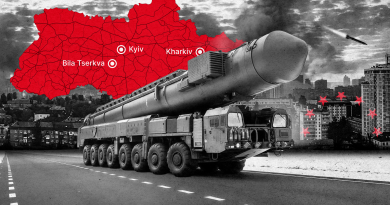
The Ukrainian military’s evolution since February 2022 represents one of the most dramatic transformations in modern warfare. Initially caught off guard by the scale of the Russian invasion, Ukrainian commanders quickly adapted their strategies, employing mobile defense tactics, decentralized command structures, and innovative use of drone technology. The integration of Western weapons systems, including HIMARS rocket artillery, Patriot air defense batteries, and various armored vehicles, has allowed Ukrainian forces to strike Russian logistics, command posts, and ammunition depots deep behind enemy lines. This capability has significantly disrupted Russia’s ability to sustain offensive operations and has forced Moscow to reconsider its tactical approaches repeatedly.
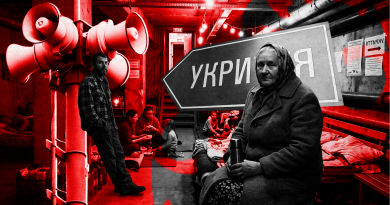
However, The Economist’s analysis emphasizes a critical distinction that Western policymakers and observers must understand: success on the battlefield does not automatically translate into sustainability on the home front. While Ukrainian forces have proven their ability to fight effectively, the country’s civilian population and economic infrastructure continue to bear the crushing weight of prolonged warfare. More than six million Ukrainians remain displaced abroad, with millions more internally displaced within the country’s borders. The constant Russian missile and drone attacks on energy infrastructure, residential areas, and civilian facilities have created an atmosphere of perpetual crisis that tests the psychological resilience of the entire nation.
The concept of war fatigue extends beyond simple exhaustion; it encompasses a complex web of economic strain, demographic challenges, and social fragmentation. Ukraine’s economy contracted by approximately 29 percent in 2022, and while there has been some recovery, the country remains heavily dependent on Western financial assistance to maintain basic government functions. The mobilization of hundreds of thousands of men into military service has created severe labor shortages in critical sectors, while the destruction of industrial capacity in eastern regions has eliminated jobs and economic opportunities. Young professionals and skilled workers who fled abroad may never return, creating a potential brain drain that could hamper post-war reconstruction efforts for decades.
Historical parallels offer both cautionary tales and sources of hope. During World War I, several nations experienced the phenomenon of home front collapse preceding military defeat, as civilian populations grew unable to sustain the sacrifices demanded by total war. Conversely, Britain during World War II demonstrated how sustained morale and social cohesion could allow a nation to endure years of bombardment and hardship. The key differentiating factors often included clear political leadership, visible progress toward victory, and international support that populations believed would continue. Ukraine currently possesses some of these elements but faces uncertainty on others, particularly regarding the durability of Western commitment under changing political circumstances in key allied nations.
International support has been instrumental in Ukraine’s defensive success, but its future remains uncertain. The United States has provided over $75 billion in assistance since the invasion began, while European nations have contributed tens of billions more in military, economic, and humanitarian aid. However, political shifts in donor countries, competing global crises, and the sheer duration of the conflict have raised questions about whether this support level can be maintained indefinitely. Some European leaders have begun discussing more sustainable long-term funding mechanisms, recognizing that Ukraine’s defense may require commitment measured in years rather than months. The recent debates in the U.S. Congress over aid packages have highlighted the political fragility of international assistance.
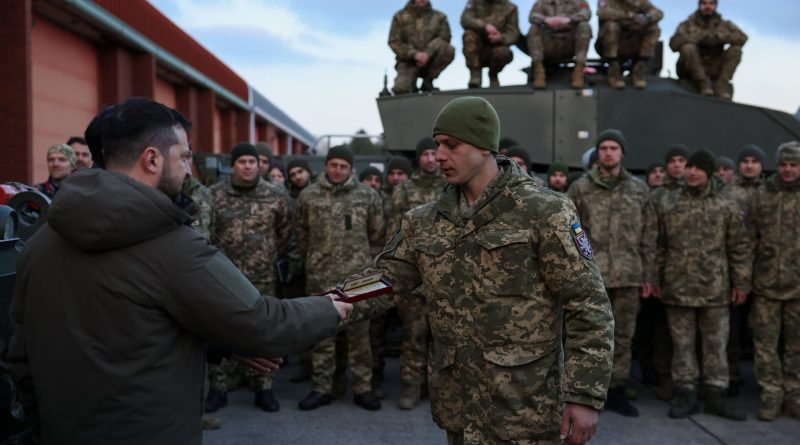
The Economist’s assessment ultimately suggests that Ukraine’s fate will be determined not solely by battlefield performance but by the intersection of military capability, civilian resilience, and international support. Ukrainian President Volodymyr Zelensky has acknowledged these challenges publicly, calling for both continued military assistance and economic support to maintain societal stability. The coming months may prove decisive, as Russia attempts to exploit any signs of Ukrainian exhaustion while Kyiv works to demonstrate that its resistance remains sustainable. What is clear is that Ukraine has defied initial expectations by learning to fight effectively against a larger adversary, but converting that military competence into a durable strategic position will require sustained effort on multiple fronts simultaneously.