Sykhiv Incident Exposes Deep-Rooted Mobilization Crisis in Ukraine
A violent confrontation between civilians and military recruitment officers in Lviv’s Sykhiv district has ignited a national conversation about Ukraine’s mobilization policies and the growing tensions between enforcement authorities and the public. The incident, which was captured on video and rapidly spread across social media platforms, shows civilians physically attacking members of a Territorial Recruitment Center (TCC) patrol, highlighting the increasingly strained relationship between Ukrainian society and military conscription efforts during the ongoing war with Russia.
The altercation reportedly began when TCC officers attempted to verify documents of military-age men in a public area, a practice that has become commonplace across Ukrainian cities since the full-scale Russian invasion began in February 2022. What should have been a routine check quickly escalated into a physical confrontation, with bystanders intervening against the recruitment personnel. The footage shows punches being thrown and officers being pushed, a scene that would have been unthinkable in the early months of the war when patriotic fervor was at its peak and volunteer recruitment offices were overwhelmed with applicants.
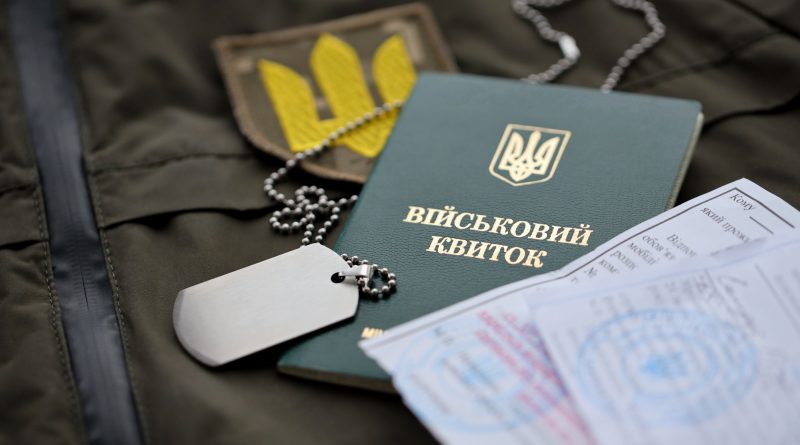
This incident is far from isolated. Over the past year, attacks on TCC personnel have increased dramatically across Ukraine, with documented cases in Kyiv, Odesa, Kharkiv, and numerous smaller cities. Military recruitment officers have reported being assaulted, having their vehicles vandalized, and facing organized resistance from communities. In some instances, local residents have formed informal networks to warn each other about TCC patrols, using messaging apps to coordinate avoidance strategies. The phenomenon has become so widespread that Ukrainian lawmakers have proposed legislation to increase penalties for assaulting military personnel, though critics argue this addresses symptoms rather than causes.
The roots of this crisis extend back to the early days of Ukraine’s full-scale mobilization efforts. When Russia launched its invasion, hundreds of thousands of Ukrainians volunteered to defend their homeland. However, as the war has dragged into its third year with no end in sight, the pool of willing volunteers has largely been exhausted. The Ukrainian military, facing significant casualties and the need to rotate exhausted troops, has increasingly relied on conscription to maintain force levels. This shift from voluntary to compulsory service has created friction, particularly as stories of questionable TCC practices have circulated widely on social media.
Reports of heavy-handed recruitment tactics have fueled public resentment. There have been numerous accounts of men being detained at checkpoints, outside grocery stores, and even at their workplaces, then being transported directly to military processing centers without opportunity to settle personal affairs or say goodbye to families. Some men have reported being conscripted without proper medical examinations, despite having health conditions that should exempt them from service. While Ukrainian authorities maintain that mobilization follows legal procedures and that violations are investigated, the perception of arbitrary enforcement has eroded trust in the system.
President Volodymyr Zelensky’s administration has acknowledged the need for reform. In early 2024, Ukraine implemented a new mobilization law that attempted to address some concerns by updating military registries, adjusting exemption categories, and establishing clearer procedures. However, experts note that the fundamental tension remains unresolved: Ukraine needs soldiers to continue fighting, but coercive recruitment methods are creating domestic divisions that could ultimately undermine the war effort. Military analysts suggest that sustainable mobilization requires not just legal frameworks, but also improved conditions for soldiers, transparent rotation policies, and clear pathways for demobilization after service.
The Sykhiv incident also reflects broader societal exhaustion after years of war. Many Ukrainian families have already sent members to the front, with some having lost loved ones or seeing relatives return with severe physical and psychological trauma. The sight of TCC officers conducting street patrols can trigger visceral reactions in communities that feel they have already given more than their share. Sociologists studying Ukrainian wartime society note that while support for the war effort remains high, this does not translate into unlimited acceptance of how mobilization is conducted. The gap between supporting Ukraine’s defense and accepting current recruitment practices represents a critical challenge for policymakers.
Moving forward, Ukrainian officials face the difficult task of balancing military necessity with social cohesion. Some reform advocates have proposed shifting toward more transparent lottery-based systems, offering meaningful financial incentives for enlistment, or implementing rotating deployment schedules that give soldiers predictable end dates for their service. Others argue for greater investment in recruiting specific skill sets needed by a modern military, rather than blanket conscription of any available men. Whatever path Ukraine chooses, the Sykhiv confrontation serves as a stark reminder that winning a war requires not just battlefield success, but maintaining the social fabric that makes sustained resistance possible.