Four More Suspects Detained in Lviv Following Violent Confrontation with Military Recruitment Officers
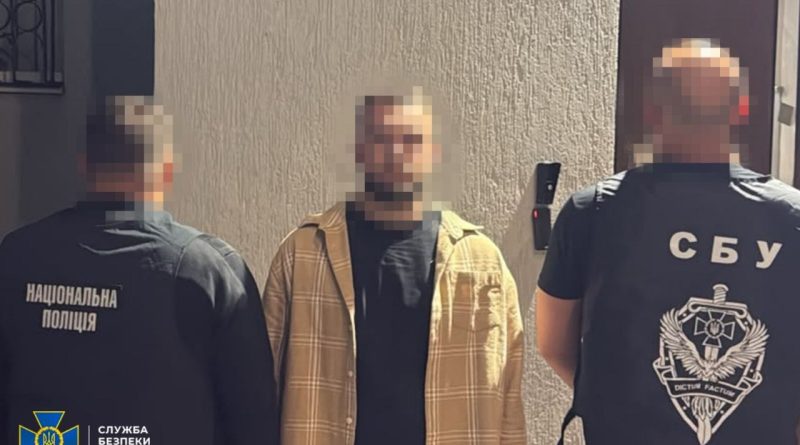
Ukrainian law enforcement authorities have detained four additional individuals in connection with a violent altercation involving military recruitment officers in the Sykhiv district of Lviv. The incident, which occurred on Chervonoi Kalyny Avenue, has drawn significant attention as Ukraine continues to grapple with the complex challenges of wartime mobilization efforts. Investigators are now preparing formal suspicion notices for the men involved in the confrontation, signaling that criminal charges are imminent.
The clash represents one of several incidents that have emerged across Ukraine as Territorial Recruitment Centers, known by their Ukrainian acronym TCC, work to fulfill mobilization quotas amid the ongoing conflict with Russia. These centers, which replaced the previous military commissariat system, are responsible for registering military-age men, issuing summons, and processing individuals for potential military service. The confrontation in Lviv’s Sykhiv neighborhood highlights the tensions that sometimes arise during these recruitment operations, particularly in urban areas where such encounters can quickly draw crowds and escalate.
Lviv, located in western Ukraine far from the front lines, has nonetheless been deeply affected by the war effort. The city has served as a key hub for internally displaced persons fleeing conflict zones in the east and south, and its residents have contributed significantly to both military service and volunteer support networks. However, like many Ukrainian cities, Lviv has also witnessed occasional friction between recruitment officers and civilians, reflecting the broader societal stress of prolonged warfare and mandatory mobilization policies that affect nearly every Ukrainian family.
The legal framework governing military recruitment in Ukraine has undergone significant changes since the full-scale Russian invasion began in February 2022. Initial mobilization efforts focused primarily on volunteers, but as the conflict extended into its second and third years, Ukrainian authorities expanded conscription measures and tightened enforcement mechanisms. The updated mobilization law passed in 2024 introduced stricter penalties for draft evasion and granted TCC officers expanded powers to verify military registration documents, though these measures have also sparked public debate about civil liberties and proper procedures during recruitment operations.
According to legal experts, individuals who obstruct or assault military recruitment officers can face serious criminal charges under Ukrainian law. Depending on the severity of the incident, penalties can range from substantial fines to several years of imprisonment. The detention of four additional suspects in the Sykhiv case suggests that investigators have identified multiple participants in what appears to have been a group confrontation. Authorities have emphasized that while citizens have rights during interactions with TCC officers, physical resistance or violence against state officials performing their duties is unequivocally illegal.
The Sykhiv district, one of Lviv’s largest residential areas with a population of over 150,000, is known for its Soviet-era apartment blocks and more recent commercial developments along Chervonoi Kalyny Avenue. The neighborhood’s dense population and busy commercial strips mean that encounters between TCC officers and civilians often occur in public spaces with numerous witnesses. Social media videos of such confrontations frequently circulate online, sometimes sparking heated discussions about the conduct of both recruitment officers and civilians involved in these incidents.
Ukrainian officials have repeatedly called for calm and cooperation during mobilization efforts, while also acknowledging the need for TCC officers to conduct themselves professionally and within legal boundaries. President Volodymyr Zelensky and other government leaders have emphasized that military service is a civic duty during wartime, while also promising to address legitimate grievances about recruitment practices. The investigation into the Sykhiv incident will likely be closely watched as an indicator of how authorities balance enforcement of mobilization laws with the protection of civil rights. As the detained individuals await formal charges, the case serves as a reminder of the complex human dimensions underlying Ukraine’s wartime mobilization efforts.