Social Media Claims of ‘Mass Brawl’ with Indian Nationals in Drohobych Debunked by Police
A wave of social media posts claiming a ‘mass brawl’ involving Indian nationals occurred in the western Ukrainian city of Drohobych has been addressed by local law enforcement, who have provided a significantly different account of the incident. The posts, which spread rapidly across various platforms, painted a picture of large-scale ethnic violence that authorities say does not match the actual events that took place in the Lviv Oblast city.
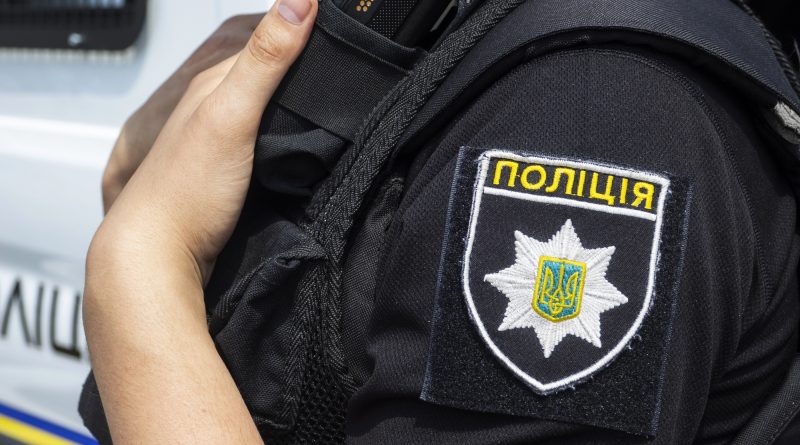
According to an official statement from the Lviv Regional Police, the incident in question was far more limited in scope than online narratives suggested. Law enforcement officials confirmed that a disturbance did occur, but emphasized that among those involved in the violation was a Ukrainian citizen, contradicting claims that framed the incident as a confrontation between locals and foreign nationals exclusively. The police response appears aimed at countering what they characterize as the spread of misinformation designed to inflame ethnic tensions in the region.
Drohobych, a historic city of approximately 75,000 residents located about 70 kilometers southwest of Lviv, has seen an increase in international residents in recent years, including students and workers from various countries. This demographic shift mirrors broader trends across Ukraine and Europe, where labor migration and educational exchange programs have brought more diverse populations to traditionally homogeneous communities. The presence of Indian nationals in Ukrainian cities has grown particularly through university enrollment programs, with many institutions actively recruiting international students.
The rapid spread of unverified claims about ethnic conflicts on social media has become a significant concern for authorities across Europe. Experts in digital misinformation note that such narratives often follow predictable patterns: an incident involving foreign nationals is exaggerated or mischaracterized, inflammatory language is used to describe it as part of a larger pattern, and the story spreads before official accounts can be verified. This phenomenon has been particularly acute during times of social or economic stress, when communities may be more susceptible to divisive messaging.
Ukrainian authorities have been increasingly vigilant about combating false narratives, particularly given the ongoing information warfare context the country faces. The Security Service of Ukraine and various police departments have established dedicated units to monitor and respond to disinformation campaigns, whether they originate from foreign actors or domestic sources seeking to create social discord. In this case, the Lviv Regional Police’s swift public response reflects this broader institutional commitment to providing accurate information before false narratives can take root.
The incident also highlights the challenges facing multicultural integration in smaller Ukrainian cities. While major urban centers like Kyiv and Lviv have longer histories of international diversity, smaller communities like Drohobych are still adapting to demographic changes. Local officials and civil society organizations have emphasized the importance of community dialogue and integration programs to prevent misunderstandings and build social cohesion among residents of different backgrounds.
Law enforcement officials have urged the public to rely on verified information from official sources rather than social media posts when incidents occur. They noted that spreading false information about ethnic conflicts can have serious consequences, potentially inciting real violence or discrimination against innocent community members. The police statement concluded by reaffirming their commitment to maintaining public order and treating all residents equally under the law, regardless of their national origin. As investigations continue, authorities have called for calm and reminded citizens that those who deliberately spread false information designed to incite hatred may face legal consequences under Ukrainian law.