Ukraine Anticipates Arrival of American Delegation Amid Ongoing Peace Efforts
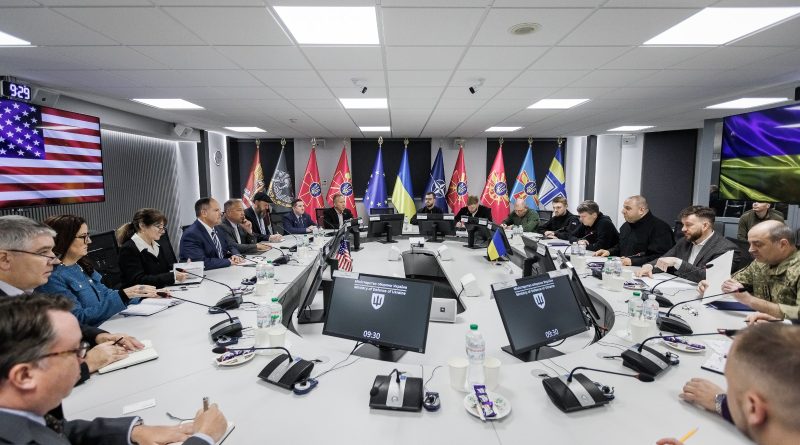
Ukraine is preparing to welcome a high-level American delegation in the coming days, as diplomatic efforts to resolve the ongoing conflict continue to intensify. The announcement was made by Kyrylo Budanov, the head of Ukraine’s Main Intelligence Directorate, who confirmed that US negotiators are expected to arrive in the country in the near future. This anticipated visit comes at a critical juncture in the war, as various international actors seek pathways toward potential peace negotiations while Ukraine continues to defend its territorial integrity.
The upcoming visit by American officials underscores the continued strategic partnership between Washington and Kyiv that has been a cornerstone of Ukraine’s defense capabilities since Russia launched its full-scale invasion in February 2022. The United States has been Ukraine’s largest military and financial supporter throughout the conflict, providing tens of billions of dollars in security assistance, humanitarian aid, and economic support. American weapons systems, including HIMARS rocket launchers, Patriot air defense systems, and Abrams tanks, have played crucial roles in Ukraine’s ability to resist Russian advances and conduct counteroffensive operations.
The timing of this diplomatic engagement reflects the evolving political landscape in Washington following recent shifts in the American administration’s approach to the conflict. President Donald Trump, who returned to office in January 2025, has repeatedly expressed his desire to bring the war to a swift conclusion, often stating his intention to negotiate directly with both parties. His administration has dispatched several envoys to the region in recent months, seeking to establish frameworks for potential ceasefire discussions while maintaining pressure on all sides to come to the negotiating table.
Budanov’s announcement regarding the American delegation’s imminent arrival suggests that substantive discussions may be on the horizon. The intelligence chief, who has become one of the most prominent figures in Ukraine’s wartime leadership, has been known for his measured public statements and accurate predictions throughout the conflict. His confirmation of the visit indicates that preliminary arrangements have already been made at the highest levels of both governments. Ukrainian officials have consistently maintained that any peace agreement must respect Ukraine’s sovereignty and territorial integrity, positions that have sometimes created tension with American proposals for compromise.
The diplomatic context surrounding this visit is particularly complex, given the multiple parallel negotiation tracks that have emerged in recent months. European leaders, including French President Emmanuel Macron and German Chancellor Olaf Scholz, have also been engaged in intensive diplomatic efforts, while Turkish President Recep Tayyip Erdogan has offered Istanbul as a venue for potential talks, building on Turkey’s successful mediation of the grain deal earlier in the conflict. China has also expressed interest in playing a role in peace negotiations, presenting its own position paper outlining principles for conflict resolution, though its close relationship with Russia has raised questions about its neutrality.
For Ukraine, the stakes of these negotiations could not be higher. The country has endured devastating losses over nearly three years of full-scale warfare, with thousands of civilians killed, millions displaced, and critical infrastructure repeatedly targeted by Russian missile and drone attacks. Ukrainian forces have demonstrated remarkable resilience, successfully defending Kyiv in the war’s early days, liberating significant territory in the Kharkiv region, and maintaining defensive lines despite intense Russian pressure in the Donbas. However, the human and economic toll of the conflict continues to mount, creating pressure to explore diplomatic solutions while maintaining military capabilities.
The American delegation’s visit will likely address several key issues beyond immediate ceasefire discussions. These may include continued military assistance packages, long-term security guarantees for Ukraine, and the country’s path toward potential NATO membership or alternative security arrangements. Economic reconstruction and the fate of Russian assets frozen in Western banks are also expected to be on the agenda, as Ukraine faces the monumental task of rebuilding its war-damaged infrastructure while continuing to fund its defense. The international community has pledged significant resources for Ukraine’s reconstruction, but the details of how these funds will be deployed remain subjects of ongoing negotiation.
As Ukraine awaits the arrival of American negotiators, the situation on the ground continues to evolve. Fighting remains intense along the front lines, particularly in the eastern Donetsk region, where Russian forces have been attempting to capture strategic positions. Ukrainian President Volodymyr Zelensky has repeatedly emphasized that his country seeks a just peace rather than simply an end to hostilities at any cost, a position that will undoubtedly shape the discussions with the incoming American delegation. The coming days may prove pivotal in determining whether diplomatic efforts can gain meaningful traction toward ending Europe’s largest armed conflict since World War II.