
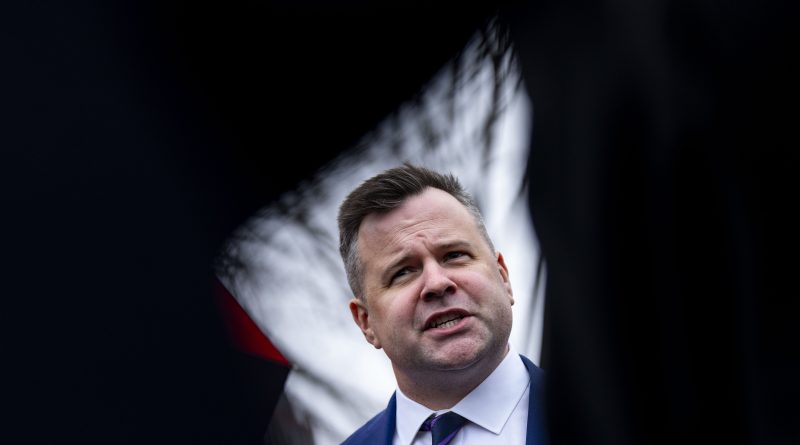
Trump Appoints New U.S. Intelligence Chief with No Prior Experience in Intelligence Services
In a move that has sparked considerable controversy within national security circles, President Donald Trump has appointed Bill Pulte as the new head of United States intelligence. The appointment is particularly notable because Pulte has no prior experience working in intelligence agencies or the broader national security apparatus, marking a significant departure from traditional qualifications expected for such a critical position in the American government.
Bill Pulte has gained recognition primarily for initiating investigations into potential mortgage fraud cases that have notably targeted political opponents of Donald Trump. His background is rooted in the housing and philanthropy sectors rather than intelligence gathering, counterterrorism, or foreign policy analysis. Pulte is the grandson of William Pulte, founder of PulteGroup, one of America’s largest homebuilding companies, and has been active on social media where he has conducted viral giveaways of money to followers, earning him significant public attention.
The position of Director of National Intelligence (DNI) was established in 2004 following the September 11 attacks and the recommendations of the 9/11 Commission. The role was created to coordinate the efforts of the 18 agencies that comprise the U.S. intelligence community, including the CIA, NSA, FBI’s intelligence division, and military intelligence branches. Historically, individuals appointed to this position have possessed extensive backgrounds in intelligence, military service, or national security policy. Previous directors have included career intelligence officers, former ambassadors with security expertise, and military generals with decades of experience in classified operations.
Critics of the appointment have raised significant concerns about placing someone without intelligence experience at the helm of an organization responsible for providing the President with daily briefings on threats to national security. The intelligence community faces numerous complex challenges, including monitoring hostile foreign powers, tracking terrorist organizations, assessing cyber threats, and analyzing geopolitical developments that could affect American interests abroad. Former intelligence officials speaking on background have expressed worry that the appointment could affect morale within agencies that value expertise and institutional knowledge.
Supporters of the appointment argue that bringing an outsider into the intelligence community could help reform what they view as entrenched bureaucracies resistant to change. The Trump administration has previously expressed skepticism toward elements of the intelligence community, particularly following disputes over assessments related to Russian interference in elections and other politically sensitive matters. Pulte’s appointment appears to continue a pattern of selecting loyalists for key positions, prioritizing alignment with the President’s agenda over traditional credentials.
The mortgage fraud investigations that brought Pulte to prominence within Trump’s orbit have been characterized by critics as politically motivated actions designed to target the President’s enemies. However, proponents maintain that these investigations address legitimate concerns about financial misconduct. The intersection of these investigations with political rivalries has made Pulte a controversial figure, with questions arising about whether his new role might be used to pursue similar objectives within the intelligence apparatus.
The appointment will require Senate confirmation, where Pulte is likely to face intense questioning about his qualifications, his understanding of intelligence operations, and his plans for leading an organization with a combined budget exceeding $90 billion annually and employing over 100,000 personnel across various agencies. How the intelligence community responds to this leadership change and whether Pulte can effectively coordinate the nation’s sprawling intelligence apparatus remain open questions that will have significant implications for American national security in the years ahead.