Polish Defense Minister Addresses Ukrainians Over ‘Heroes of UPA’ Military Unit Controversy
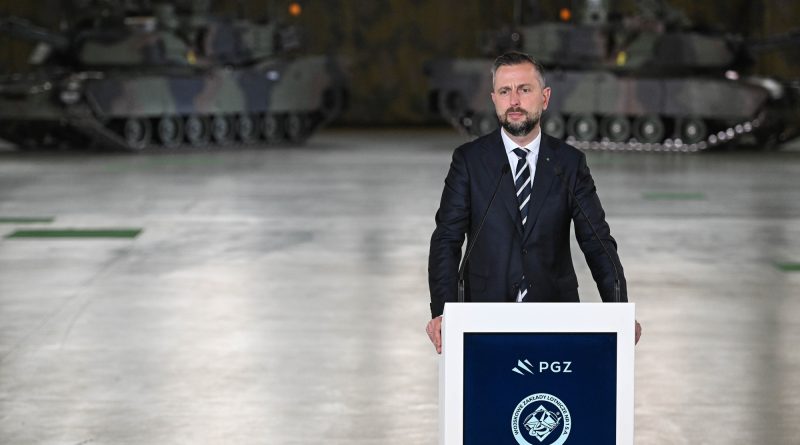
Polish Defense Minister Władysław Kosiniak-Kamysz has issued a formal statement addressing Ukrainian citizens regarding the controversial naming of a Ukrainian military unit after ‘Heroes of UPA’ (Ukrainian Insurgent Army). The minister declared that this decision has caused ‘deep pain, concern, and protest’ among the Polish population, reigniting historical tensions between the two neighboring nations at a particularly sensitive time in European geopolitics.
The statement comes amid an otherwise unprecedented level of Polish-Ukrainian cooperation, as Poland has emerged as one of Ukraine’s most steadfast allies since Russia’s full-scale invasion began in February 2022. Warsaw has provided billions of euros in military and humanitarian assistance, hosted millions of Ukrainian refugees, and served as a crucial logistics hub for Western aid flowing into Ukraine. However, historical wounds dating back to World War II continue to periodically strain relations between the two nations.
The Ukrainian Insurgent Army, known by its Ukrainian acronym UPA, remains one of the most divisive historical topics between Poland and Ukraine. Active primarily from 1942 to 1949, the UPA fought for Ukrainian independence against Soviet forces, Nazi Germany, and Polish authorities. However, UPA forces were also responsible for the Volhynian massacre of 1943-1945, during which an estimated 50,000 to 100,000 Polish civilians were killed in what is now western Ukraine. This tragic chapter represents one of the darkest periods in Polish-Ukrainian relations and continues to evoke powerful emotions on both sides of the border.
For Ukrainians, the UPA represents a symbol of resistance and the struggle for national independence during an era when Ukraine was caught between Nazi occupation and Soviet domination. Many Ukrainians view UPA fighters as freedom fighters who resisted foreign occupation, and commemorating their memory has become intertwined with modern Ukrainian national identity, particularly since the country gained independence in 1991. This interpretation, however, stands in stark contrast to Polish historical memory, where the UPA is primarily associated with ethnic cleansing and atrocities against Polish civilians.
Minister Kosiniak-Kamysz, who leads the Polish People’s Party and serves as Deputy Prime Minister in addition to his defense portfolio, has been navigating the delicate balance between supporting Ukraine’s defense against Russian aggression while also addressing domestic concerns about historical memory. His statement reflects the complex position of the Polish government, which must respond to public sentiment while maintaining the strategic partnership with Kyiv that both nations consider essential for European security.
The controversy highlights the ongoing challenges in Polish-Ukrainian reconciliation efforts that have been underway for decades. Previous Polish governments, particularly under the Law and Justice party, had made historical issues a more prominent part of bilateral discussions, sometimes leading to diplomatic friction. The current government under Prime Minister Donald Tusk has generally sought to prioritize security cooperation while hoping historical disputes could be addressed through dialogue. However, symbolic acts like military unit naming inevitably bring these unresolved issues back to the forefront of public discourse.
Historians and diplomats have long emphasized that genuine reconciliation between Poland and Ukraine requires honest engagement with this painful history from both sides. Some experts suggest that Ukraine’s wartime circumstances may have influenced the timing of such commemorative decisions, as the country seeks to bolster national unity and morale during an existential conflict. Nevertheless, Polish officials and civil society groups continue to call for mutual acknowledgment of historical truths as a foundation for the enduring partnership both nations need in an era of renewed Russian imperial ambitions. The path forward will likely require continued diplomatic engagement and sensitivity from both Kyiv and Warsaw as they work to honor their respective historical memories while building a shared European future.