Zelensky Outlines Ukraine’s Agenda for Upcoming G7 and NATO Summits
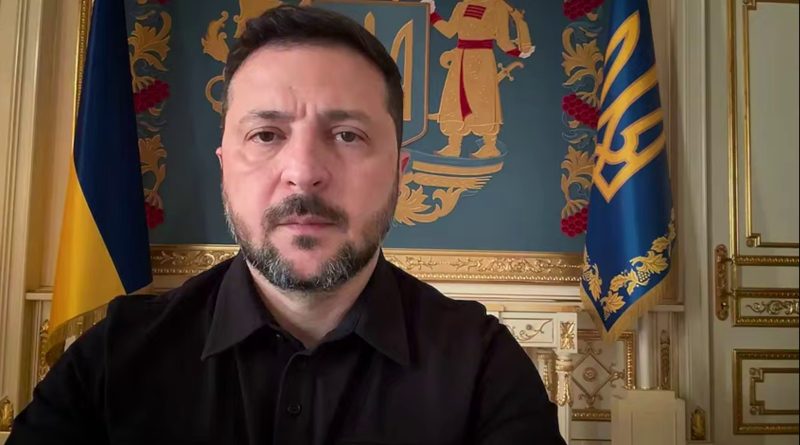
Ukrainian President Volodymyr Zelensky has revealed the key topics Ukraine intends to bring to the table at the upcoming G7 and NATO summits, emphasizing discussions on European security architecture, the innovative Drone Deals program, and other critical matters related to the ongoing conflict with Russia. The announcements come at a pivotal moment in the war, as Ukraine continues to seek expanded international support while Western allies deliberate on the most effective strategies for ensuring long-term regional stability.
The Ukrainian leader’s diplomatic agenda reflects Kyiv’s multifaceted approach to securing its future, combining immediate military needs with longer-term security guarantees. At the heart of Ukraine’s concerns lies the fundamental question of European security — a topic that has dominated international discourse since Russia launched its full-scale invasion in February 2022. Zelensky has consistently argued that Ukraine’s security is inseparable from broader European stability, a position that has gained significant traction among Western leaders as the conflict has evolved into what many analysts describe as the most significant military confrontation on European soil since World War II.
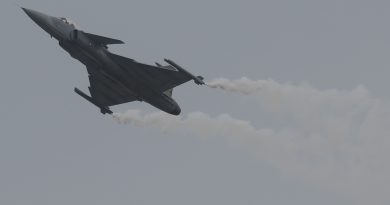
The Drone Deals program represents one of the most forward-thinking elements of Ukraine’s defense strategy. This initiative aims to establish partnerships with international manufacturers and governments to supply Ukraine with unmanned aerial vehicles, which have proven to be decisive weapons in modern warfare. Ukrainian forces have demonstrated remarkable innovation in drone technology throughout the conflict, using everything from modified commercial quadcopters for reconnaissance to sophisticated long-range strike drones capable of reaching deep into Russian territory. The program seeks to formalize and expand these capabilities through structured international agreements, potentially creating a new model for defense cooperation that other nations facing similar threats might adopt.
The G7 summit brings together leaders from the world’s most advanced economies — the United States, Canada, the United Kingdom, France, Germany, Italy, and Japan — along with European Union representatives. This forum has become increasingly important for coordinating Western support for Ukraine, including the landmark decision to utilize frozen Russian assets to fund Ukrainian reconstruction and defense needs. Estimates suggest that approximately $300 billion in Russian central bank assets remain frozen in Western financial institutions, with ongoing debates about how these funds can be legally and effectively deployed to support Ukraine’s war effort and eventual recovery.
NATO’s engagement with Ukraine has undergone a dramatic transformation since the invasion began. While Ukraine is not yet a member of the alliance, it has received unprecedented support from NATO countries, including advanced weapons systems, intelligence sharing, and extensive training programs for Ukrainian military personnel. The upcoming NATO summit is expected to address Ukraine’s membership aspirations, with Zelensky pushing for concrete timelines and commitments rather than vague assurances about eventual integration. Alliance members remain divided on this question, with some Eastern European countries advocating for accelerated membership pathways while others express concerns about the implications of admitting a country actively engaged in armed conflict.
The security discussions Zelensky plans to raise extend beyond immediate battlefield concerns to encompass the post-war European order. Ukrainian officials have consistently emphasized that any sustainable peace must include robust security guarantees that would deter future Russian aggression. Various proposals have been floated, ranging from bilateral security agreements with individual Western nations — several of which have already been signed — to more comprehensive multilateral arrangements that might eventually lead to full NATO membership. The challenge facing diplomats and military planners is designing a framework that provides meaningful deterrence while managing the risks of direct confrontation between NATO and Russia.
As these crucial summits approach, Ukraine finds itself at a critical juncture. The military situation on the ground remains challenging, with Russian forces maintaining pressure along multiple front lines while Ukraine works to integrate new Western weapons systems and trained personnel into its defensive operations. The diplomatic track has become equally important, as sustained international support depends on maintaining coalition unity and demonstrating progress toward achievable strategic objectives. Zelensky’s summit agenda reflects this dual reality — the need for immediate military assistance combined with the imperative of building lasting institutional frameworks that will secure Ukraine’s place in the European and transatlantic community for generations to come.