Ukrainian Drone Operators Eliminated 12,500 More Russian Troops Than Moscow Could Recruit in 2026, Says Commander Syrskyi
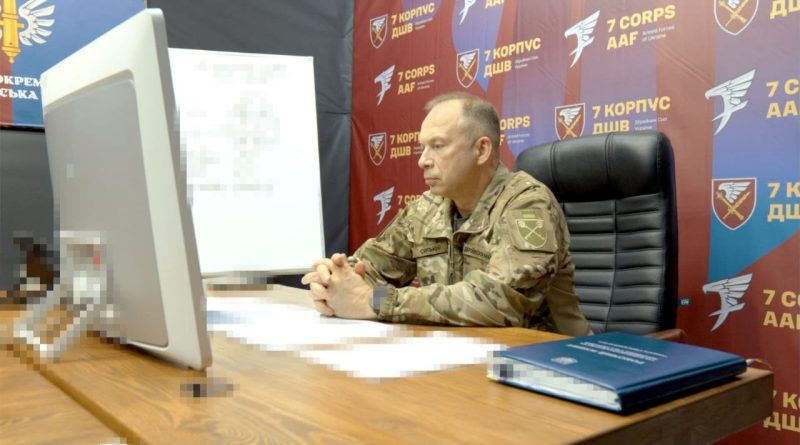
Ukraine’s Commander-in-Chief Oleksandr Syrskyi has revealed striking statistics that highlight the devastating effectiveness of Ukrainian unmanned aerial vehicle (UAV) operations against Russian forces. According to the top military commander, Ukrainian drone operators have killed approximately 12,500 more Russian occupiers in 2026 than Russia has been able to recruit to replenish its depleted ranks. This significant imbalance underscores the growing personnel crisis facing the Russian military as the war continues into its fourth year.
The statement from Syrskyi also pointed to Russia’s mounting difficulties in staffing its own drone units, suggesting that Moscow is struggling to maintain the technological arms race that has come to define modern warfare in Ukraine. The Ukrainian military leadership has consistently emphasized the critical role that unmanned systems play in both offensive and defensive operations, and these latest figures appear to validate the substantial investments Kyiv has made in developing its domestic drone industry and training specialized operators.
The war in Ukraine has fundamentally transformed how modern armies approach aerial warfare, with drones becoming perhaps the most decisive weapons system on the battlefield. From small first-person view (FPV) quadcopters capable of striking individual soldiers and vehicles to larger reconnaissance platforms that provide real-time intelligence, unmanned systems have proven their worth countless times since Russia’s full-scale invasion began in February 2022. Ukraine has emerged as a global leader in drone warfare innovation, developing tactics and technologies that military experts worldwide are studying closely. The country’s tech sector has pivoted dramatically toward defense production, with hundreds of companies now manufacturing various types of UAVs.
Russia’s recruitment challenges reflect broader problems within its military structure. Since the controversial partial mobilization announced in September 2022, Moscow has relied heavily on offering substantial financial incentives to attract volunteers, including signing bonuses that can exceed average annual salaries in many Russian regions. Despite these efforts, evidence suggests that casualty rates continue to outpace the Kremlin’s ability to bring fresh troops to the front lines. Independent analysts estimate that Russia has suffered over 300,000 casualties since the war began, though exact figures remain difficult to verify due to Moscow’s strict information controls regarding military losses.
The asymmetric advantage that drone warfare provides to Ukrainian forces cannot be overstated. A single FPV drone, costing anywhere from a few hundred to a few thousand dollars, can destroy military equipment worth millions or eliminate enemy personnel with remarkable precision. This cost-effectiveness has allowed Ukraine to inflict disproportionate damage on Russian forces despite having a smaller overall military budget. Ukrainian volunteer organizations and crowdfunding campaigns have contributed significantly to the drone effort, with civilians raising millions of dollars to purchase and deliver unmanned systems directly to front-line units. This grassroots support has created a unique civil-military partnership that enhances Ukraine’s combat capabilities.
Commander Syrskyi’s emphasis on Russia’s struggles to maintain its drone units suggests that the technological competition between the two sides may be shifting in Ukraine’s favor. While Russia initially possessed significant advantages in certain drone categories, particularly the Iranian-designed Shahed loitering munitions used for strategic strikes, Ukraine has rapidly developed countermeasures and expanded its own production capacity. Ukrainian engineers have created increasingly sophisticated jamming systems and interception methods, while simultaneously improving the range, payload capacity, and accuracy of domestically produced drones. Western allies have also contributed to Ukraine’s drone capabilities, providing both finished systems and components for local assembly.
The personnel shortage facing Russia extends beyond drone units to affect virtually every aspect of its military operations. Reports from various sources indicate that Russian commanders are increasingly relying on poorly trained conscripts and prisoners recruited through controversial programs to fill gaps in their formations. This degradation in troop quality has manifested in tactical failures and high casualty rates, creating a vicious cycle that further strains recruitment efforts. The Kremlin faces a difficult dilemma: another general mobilization could trigger domestic political unrest, while current volunteer-based approaches appear insufficient to sustain the war effort indefinitely.
As the conflict continues, the importance of unmanned systems will likely only grow. Both sides are investing heavily in artificial intelligence, swarm technologies, and extended-range capabilities that could further transform the battlefield. For Ukraine, maintaining its edge in drone warfare represents not just a tactical advantage but a strategic necessity, allowing a smaller nation to effectively contest a larger adversary. Syrskyi’s latest statements serve as both a morale boost for Ukrainian forces and a stark warning to Moscow about the unsustainable human cost of continuing its aggression against Ukraine.