Major Chemical Plant in Novomoskovsk Reportedly Struck in Drone Attack
A significant industrial facility in Russia’s Tula Oblast has reportedly come under attack, with emerging evidence suggesting that the Azot chemical plant in Novomoskovsk may have been targeted. Video footage circulating on social media appears to show explosions and fires at what is believed to be one of Russia’s largest chemical manufacturing complexes, raising concerns about both the strategic implications of the strike and potential environmental consequences in the region.
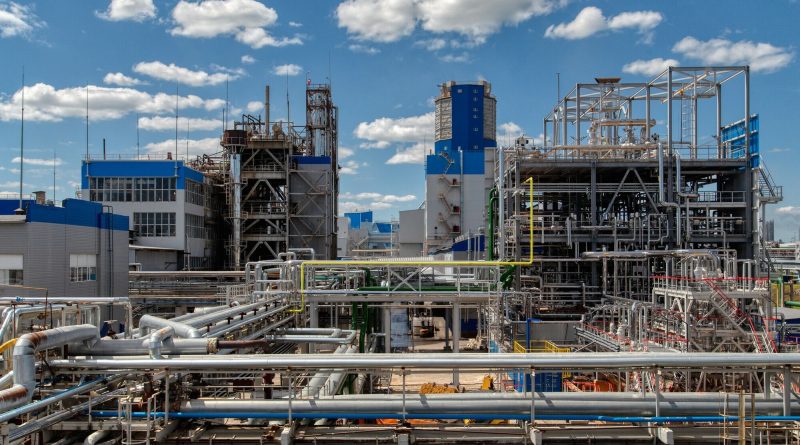
The Azot plant in Novomoskovsk is one of Russia’s premier chemical production facilities, specializing in the manufacture of nitrogen-based fertilizers, ammonia, and various industrial chemicals. Established during the Soviet era, the facility has grown to become a critical component of Russia’s agricultural and industrial supply chain, producing millions of tons of fertilizers annually that are essential for both domestic food production and export markets. The plant employs thousands of workers and represents a significant portion of the regional economy in Tula Oblast.
Preliminary reports indicate that the attack occurred during nighttime hours, with multiple explosions reportedly heard across the city of Novomoskovsk. Local residents shared videos on social media platforms showing bright flashes and what appeared to be secondary explosions, suggesting that the strike may have ignited combustible materials stored at the facility. Russian authorities have not yet officially confirmed the extent of the damage or whether there have been any casualties among plant workers or nearby residents.
The targeting of chemical facilities represents a significant escalation in the ongoing conflict, as such installations present unique risks. Chemical plants like Azot store and process hazardous materials including ammonia, which can pose serious health risks to surrounding populations if released into the atmosphere. Environmental monitoring teams would typically be deployed following any incident at such a facility to assess air quality and potential contamination of water sources. The Novomoskovsk plant is located approximately 60 kilometers south of Tula, a major regional center with a population exceeding 450,000 people.
From a strategic perspective, attacks on chemical and fertilizer production facilities have broader implications for Russia’s economic stability and food security. Russia is one of the world’s largest exporters of fertilizers, and disruptions to production capacity could affect global agricultural markets already strained by ongoing geopolitical tensions. The Azot plant specifically produces urea, ammonium nitrate, and other compounds essential for modern farming operations. Any prolonged shutdown of such facilities could have ripple effects throughout Russia’s agricultural sector during critical planting and growing seasons.
Military analysts note that drone attacks on industrial infrastructure deep within Russian territory have become increasingly common, representing a shift in tactical approaches. Tula Oblast lies approximately 180 kilometers south of Moscow, indicating the growing reach of unmanned aerial systems capable of penetrating Russian air defenses. Russian officials have repeatedly stated that air defense systems have been reinforced around critical infrastructure, though the apparent success of strikes against industrial facilities suggests vulnerabilities remain in the protective coverage of economically significant targets.
Local emergency services in Novomoskovsk have reportedly been placed on high alert, with firefighting units dispatched to contain any blazes resulting from the attack. The city, with a population of roughly 120,000 people, has historically been defined by its chemical industry, making the Azot plant not only an economic pillar but also a source of community identity. Authorities have urged residents to remain indoors and keep windows closed as a precautionary measure while the situation is assessed. The full extent of the damage and any potential environmental impact will likely become clearer in the coming days as official assessments are conducted and satellite imagery becomes available for independent analysis.