Zelensky Arrives in Britain for High-Stakes Talks on Peace Negotiations and Security Guarantees
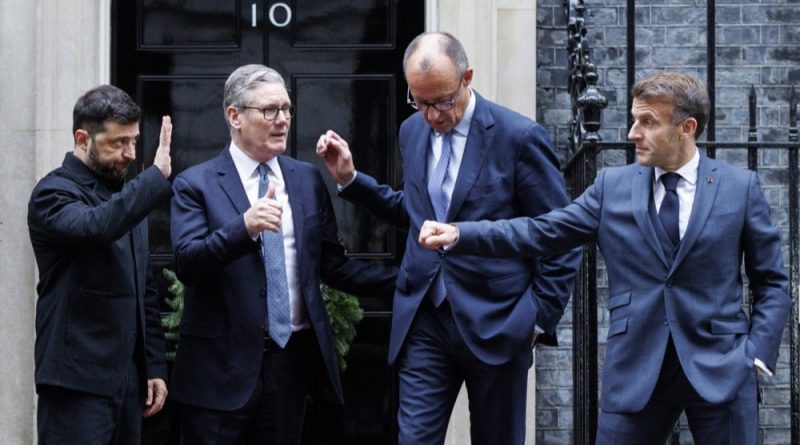
Ukrainian President Volodymyr Zelensky has arrived in the United Kingdom for a diplomatic visit that comes at a critical juncture in the ongoing conflict with Russia. The Ukrainian leader confirmed that peace negotiations and the path toward ending hostilities would be central topics during his meetings with British officials. This visit underscores the deepening strategic partnership between Kyiv and London, which has been one of Ukraine’s most steadfast allies since Russia launched its full-scale invasion in February 2022.
The timing of Zelensky’s trip to Britain is particularly significant as international diplomatic efforts to broker a resolution to the conflict have intensified in recent months. Various peace initiatives have been proposed by multiple parties, including frameworks suggested by China, African nations, and most recently, renewed discussions involving the United States. The Ukrainian president has consistently maintained that any peace agreement must respect Ukraine’s territorial integrity and sovereignty, positions that have found strong support among Western allies, particularly in London.
The United Kingdom has emerged as one of Ukraine’s most reliable partners throughout the conflict, providing substantial military, economic, and humanitarian assistance. Britain was among the first Western nations to supply Ukraine with advanced weapons systems, including Storm Shadow cruise missiles, and has trained thousands of Ukrainian soldiers through Operation Interflex. Total British military aid to Ukraine has exceeded several billion pounds, making the UK the largest European contributor to Ukraine’s defense efforts. This robust support has cemented a special relationship between the two nations that extends beyond mere diplomatic courtesy.
British Prime Minister and government officials have repeatedly emphasized their commitment to supporting Ukraine for as long as necessary. The UK has also played a leading role in coordinating international sanctions against Russia and has been vocal in calling for accountability for alleged war crimes committed during the conflict. London’s position has remained consistent even as some European allies have shown varying degrees of commitment, making Britain a crucial pillar of the Western alliance backing Ukraine.
The discussion of peace negotiations during this visit reflects the complex diplomatic landscape surrounding the conflict. While Ukraine and its allies have expressed openness to dialogue, fundamental disagreements persist over the terms of any potential settlement. Key sticking points include the status of territories currently occupied by Russian forces, security guarantees for Ukraine’s future, and the question of NATO membership. Zelensky has previously outlined a ten-point peace formula that calls for the complete withdrawal of Russian troops, the restoration of Ukraine’s territorial integrity, and the establishment of robust security mechanisms to prevent future aggression.
Security guarantees have become an increasingly prominent topic in discussions about Ukraine’s future. Given that NATO membership remains a contentious issue, alternative security arrangements have been explored. The UK, along with other G7 nations, signed bilateral security agreements with Ukraine in 2024, promising long-term military and economic support. These agreements, while not equivalent to NATO’s Article 5 collective defense clause, represent a significant commitment to Ukraine’s security architecture. Zelensky’s visit provides an opportunity to discuss the implementation and potential strengthening of these arrangements.
The broader European security context adds urgency to these discussions. The conflict in Ukraine has fundamentally reshaped the continent’s security landscape, prompting Finland and Sweden to join NATO and spurring increased defense spending across the alliance. Britain has positioned itself as a leader in this transformation, advocating for a more robust collective defense posture and deeper integration of Ukraine into European security structures. As diplomatic efforts continue and the conflict evolves, visits like Zelensky’s to London serve as crucial touchpoints for coordinating strategy and reinforcing the unity of Ukraine’s international supporters.
As Zelensky conducts his meetings in Britain, the world watches closely for any signals about the trajectory of peace efforts. The outcome of these discussions could influence not only the bilateral relationship between Ukraine and the United Kingdom but also the broader international approach to resolving one of the most significant conflicts in Europe since World War II. With winter approaching and the conflict showing no signs of immediate resolution, the diplomatic work being conducted during this visit carries substantial weight for millions of people affected by the ongoing hostilities.