Ukrainian Mobilized Soldier With Violations Receives Life Sentence for Killing Instructors, Prompting Ombudsman Investigation
A Ukrainian court has handed down a life sentence to a mobilized soldier convicted of killing military instructors at a basic combined arms training post (BZVP) last year, sparking renewed scrutiny of mobilization procedures and military training protocols. The case has drawn significant attention from Ukraine’s Human Rights Ombudsman Dmytro Lubinets, who has formally requested multiple government agencies to conduct thorough investigations into the circumstances surrounding the tragic incident.
The convicted soldier was reportedly mobilized with documented violations of established procedures, raising serious questions about the vetting processes used during military conscription. According to available information, the individual should not have been enrolled in military service due to existing grounds for exemption or deferral, yet somehow passed through the mobilization system and was assigned to a training facility where the fatal incident occurred.
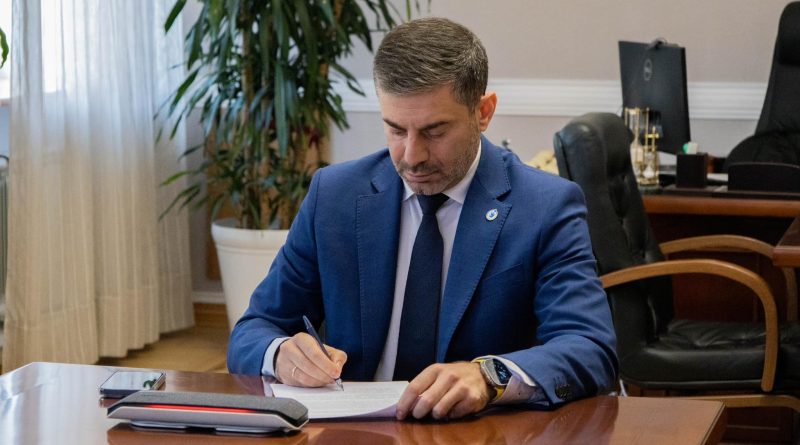
Ombudsman Lubinets announced that he has submitted official requests to several government bodies, including the Ministry of Defense, the General Staff of the Armed Forces of Ukraine, and relevant oversight committees, urging comprehensive reviews of the entire mobilization chain that led to this outcome. His intervention reflects growing concerns about systemic issues within Ukraine’s mobilization framework, which has operated under immense pressure since Russia’s full-scale invasion began in February 2022.
The tragedy at the basic training post highlights the challenges Ukraine faces in rapidly expanding its military forces while maintaining adequate screening and safety protocols. Since the beginning of the full-scale war, Ukraine has implemented several waves of mobilization to replenish and expand its armed forces, a process that has faced criticism from various quarters regarding transparency, fairness, and adherence to legal procedures. The pressure to quickly train and deploy personnel has sometimes led to shortcuts in verification processes, according to military analysts.
Basic combined arms training posts serve as critical facilities where newly mobilized personnel receive fundamental military instruction before being assigned to combat or support units. These facilities handle thousands of recruits and rely heavily on experienced instructors to transform civilians into capable soldiers. The loss of instructors not only represents a human tragedy but also impacts the military’s capacity to prepare new personnel for the demands of modern warfare.
Ukrainian civil society organizations have repeatedly called for reforms to the mobilization system, advocating for clearer criteria, better medical and psychological screening, and more transparent procedures. The case of the convicted soldier adds urgency to these demands, as it demonstrates the potentially fatal consequences when proper protocols are bypassed or inadequately enforced. Mental health screening and background checks have emerged as particular areas of concern, with experts noting that combat environments require individuals who can handle extreme stress without endangering themselves or others.
The life sentence handed down by the court represents the maximum penalty available under Ukrainian law for murder, reflecting the severity of the crime and its impact on military morale and public trust. However, Lubinets’ intervention suggests that accountability must extend beyond the individual perpetrator to examine institutional failures that allowed the situation to develop. His investigation could potentially lead to disciplinary actions against officials responsible for the mobilization violations and policy changes designed to prevent similar incidents in the future. As Ukraine continues its defense against Russian aggression, balancing the urgent need for military personnel with proper safeguards remains one of the most challenging aspects of the ongoing conflict.