Zelensky Holds Strategic Meeting with Field Commanders Amid Ongoing Combat Operations
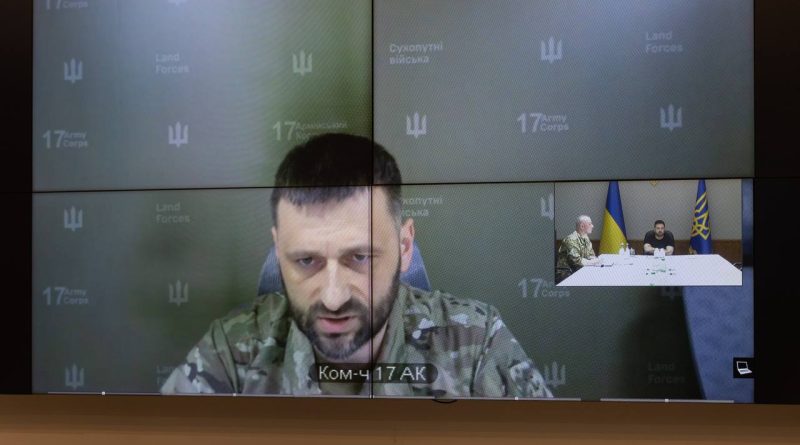
Ukrainian President Volodymyr Zelensky convened a high-level security meeting with military commanders to assess the current battlefield situation across multiple sectors of the front line. The meeting, which took place as fighting continues along various strategic directions, brought together key military leaders responsible for operations in some of the most contested areas of the ongoing conflict with Russia. According to sources familiar with the discussions, commanders provided detailed briefings on the operational environment in the Pokrovsk, Sloviansk, and Kharkiv directions, among other critical sectors.
The gathering comes at a particularly crucial time for Ukrainian defense operations, as Russian forces have been applying sustained pressure on multiple fronts simultaneously. The Pokrovsk direction in the Donetsk region has emerged as one of the most active combat zones in recent months, with Russian troops attempting to advance toward this strategically important logistics hub. Pokrovsk serves as a critical railway junction and supply center for Ukrainian forces operating throughout the eastern front, making its defense a top military priority.
Sources speaking to LIGA.net addressed questions about whether the meeting included discussions regarding Colonel-General Oleksandr Syrsky, the Commander-in-Chief of the Armed Forces of Ukraine. Syrsky, who was appointed to the top military position in February 2024, replacing the popular General Valerii Zaluzhnyi, has overseen Ukrainian military operations during a challenging period marked by ammunition shortages and intense Russian offensives. The relationship between political and military leadership remains a subject of significant interest both domestically and internationally, as coordination between these spheres is essential for effective wartime governance.
The Kharkiv direction has witnessed fluctuating combat intensity since Russia launched a renewed offensive toward Ukraine’s second-largest city in May 2024. That operation, which initially caught some Ukrainian units off guard, prompted rapid reinforcement and fortification efforts. While Ukrainian forces managed to stabilize the front and prevent a breakthrough toward Kharkiv city itself, sporadic clashes and artillery exchanges continue along this axis. The city of Kharkiv, located just 30 kilometers from the Russian border, has endured regular missile and drone attacks throughout the conflict, with civilian infrastructure repeatedly targeted.
The Sloviansk direction encompasses another historically significant battleground in the Donetsk region. Sloviansk and its twin city Kramatorsk represent the largest urban centers remaining under Ukrainian control in the region and serve as administrative headquarters for Ukrainian military operations in the east. Russian forces have long sought to capture these cities, viewing their seizure as essential for completing the occupation of Donetsk Oblast. The terrain in this area, characterized by a mix of urban development, industrial facilities, and surrounding villages, presents complex tactical challenges for both offensive and defensive operations.
President Zelensky has maintained a practice of regular consultations with field commanders throughout the war, which began with Russia’s full-scale invasion in February 2022. These meetings serve multiple purposes: they allow the Commander-in-Chief to receive unfiltered assessments directly from officers engaged in combat operations, demonstrate ongoing civilian oversight of military affairs, and provide opportunities for strategic coordination. The Ukrainian command structure has evolved significantly since the war began, adapting to the realities of large-scale conventional warfare and integrating lessons learned from both successes and setbacks on the battlefield.
The security situation across the entire front line stretching over 1,000 kilometers remains dynamic, with both sides conducting offensive and defensive operations depending on local conditions. Ukrainian forces have been working to strengthen defensive fortifications while also conducting counterattacks at points of Russian vulnerability. Meanwhile, Western military assistance, including artillery systems, armored vehicles, and air defense equipment, continues to play a crucial role in sustaining Ukraine’s defensive capabilities. The outcome of ongoing battles in the Pokrovsk, Sloviansk, and Kharkiv sectors will likely influence the broader trajectory of the conflict as both sides prepare for continued operations in the months ahead.