
Ukraine’s Human Exodus: 8.5 Million Citizens Have Fled Abroad Since Russian Invasion Began
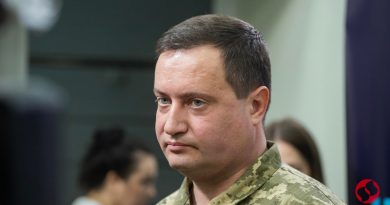
Ukraine’s Parliamentary Commissioner for Human Rights, Dmytro Lubinets, has revealed staggering new figures regarding the scale of displacement caused by Russia’s full-scale invasion. According to the ombudsman, approximately 8.5 million Ukrainian citizens have left the country since the war began in February 2022, representing one of the largest refugee crises in modern European history. This massive exodus has fundamentally altered Ukraine’s demographic landscape and raised serious concerns about the nation’s future recovery and reconstruction efforts.
The displacement crisis has affected nearly every region of Ukraine, though areas closest to active combat zones have experienced the most dramatic population losses. Eastern and southern oblasts, including Donetsk, Luhansk, Zaporizhzhia, and Kherson, have seen entire communities uprooted as Russian forces occupied territories and intense fighting made civilian life impossible. Major cities like Mariupol, once home to over 400,000 people, were virtually emptied following devastating sieges that left urban centers in ruins.
Lubinets outlined two essential conditions that must be met before millions of displaced Ukrainians can realistically consider returning home. The first and most critical requirement is achieving lasting peace and security guarantees that would protect civilians from renewed military aggression. Without a definitive end to hostilities and credible assurances against future attacks, many refugees remain understandably reluctant to risk their families’ safety by returning to a potential war zone. The second condition involves comprehensive economic recovery and the restoration of basic infrastructure, including housing, healthcare facilities, schools, and employment opportunities that would make return viable.
The scale of Ukraine’s refugee crisis has placed unprecedented strain on European host countries, particularly Poland, Germany, the Czech Republic, and other neighboring states that have absorbed millions of displaced persons. Poland alone has registered over 1.5 million Ukrainian refugees, while Germany has become home to approximately one million Ukrainians seeking safety and stability. European Union nations activated the Temporary Protection Directive for the first time in its history, granting Ukrainian refugees immediate rights to residence, employment, housing, and social welfare assistance across all member states.
Historical context provides important perspective on the magnitude of this displacement. Europe has not witnessed population movements of this scale since World War II, when millions of refugees fled Nazi occupation and subsequent Soviet advances across the continent. The United Nations High Commissioner for Refugees (UNHCR) has classified the Ukrainian displacement as the fastest-growing refugee crisis since records began, with millions crossing borders within just the first few weeks of the invasion. International humanitarian organizations have mobilized massive resources to address immediate needs while preparing for what many experts predict will be a protracted displacement situation lasting years or even decades.
The demographic implications for Ukraine are profound and potentially long-lasting. Many of those who fled were young professionals, skilled workers, and families with children—precisely the population segments most crucial for national reconstruction and economic development. Brain drain concerns have intensified as educated Ukrainians establish new lives abroad, with some beginning to integrate into host country labor markets and educational systems. Economists warn that even after the war ends, Ukraine may struggle to attract back citizens who have built stable lives elsewhere, particularly if domestic conditions remain challenging or security guarantees appear insufficient.
International demographers and migration experts suggest that return migration patterns following major conflicts typically unfold over extended periods, with initial waves of returnees followed by gradual trickles over many years. Studies of previous refugee crises, including those from the Balkans conflicts of the 1990s, indicate that younger refugees with higher education levels are statistically less likely to return to their home countries. For Ukraine, this presents a complex challenge requiring not only military victory and peace agreements but also aggressive policies to incentivize return migration and support reintegration of displaced populations into Ukrainian society.
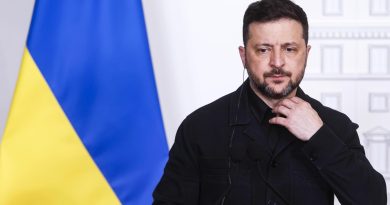
Ukrainian government officials have acknowledged the severity of the demographic challenge while expressing hope that eventual victory and reconstruction will create conditions for mass returns. President Volodymyr Zelensky and other leaders have repeatedly emphasized that rebuilding Ukraine will require the talents and energy of its diaspora population. International partners have pledged substantial reconstruction funding, with estimates suggesting Ukraine will need hundreds of billions of dollars to rebuild damaged infrastructure and housing. However, the ombudsman’s stark assessment underscores that financial resources alone will not suffice—genuine security and sustainable peace remain the irreducible prerequisites for bringing millions of Ukrainians back home.