
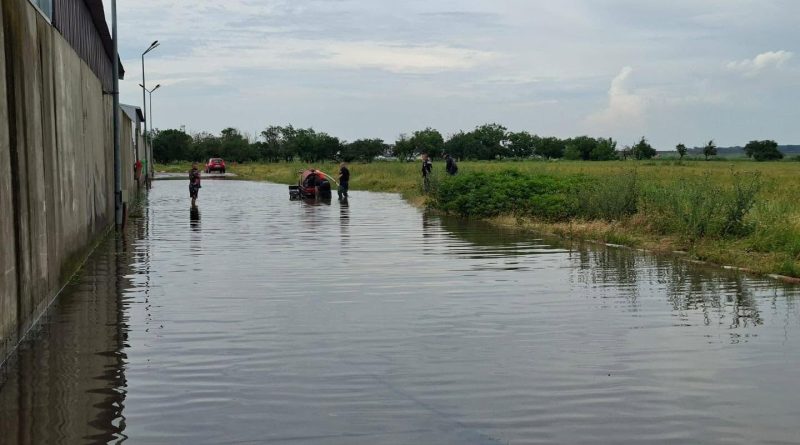
Torrential Rains and Flooding Isolate Dozens of Communities Across Romania
Severe weather conditions have wreaked havoc across Romania, leaving dozens of communities isolated as torrential rains triggered widespread flooding and dangerous landslides throughout multiple regions. Emergency services have been working around the clock to respond to the crisis, which has damaged critical infrastructure and cut off access to numerous villages and towns. In one particularly hard-hit county, a devastating landslide has severely damaged a local road, completely severing the connection between affected communities and essential services.
The extreme weather event has highlighted the vulnerability of Romania’s rural infrastructure to climate-related disasters. Local authorities have reported that rising water levels have submerged roads, destroyed bridges, and overwhelmed drainage systems that were not designed to handle such intense precipitation. Emergency responders have been dispatched to the most severely affected areas, conducting rescue operations and delivering essential supplies to stranded residents who have been unable to leave their homes due to the flooding.
Romania has historically been susceptible to seasonal flooding, particularly during late spring and early summer when heavy rainfall coincides with snowmelt from the Carpathian Mountains. The country’s geographical position, with its extensive river network including the Danube and its numerous tributaries, creates conditions that can quickly turn dangerous when precipitation levels exceed normal thresholds. Over the past two decades, Romania has experienced several catastrophic flood events, including the devastating 2005 floods that claimed dozens of lives and caused billions of euros in damage across multiple counties.
The current crisis has prompted Romanian authorities to activate emergency protocols and coordinate response efforts at both local and national levels. The Department for Emergency Situations has been monitoring water levels across affected rivers and has issued warnings to communities in potential flood zones. Meteorological services continue to track the weather system, with forecasts suggesting that conditions may persist for several more days before relief arrives. Officials have urged residents in vulnerable areas to remain vigilant and follow evacuation orders promptly when issued.
Infrastructure damage from landslides poses particularly challenging recovery problems for affected regions. When hillsides destabilize due to soil saturation, the resulting debris flows can completely obliterate roads, making repairs a complex and expensive undertaking that often takes weeks or even months to complete. Geologists note that Romania’s terrain, with its combination of mountainous regions and clay-rich soils, creates ideal conditions for landslide formation during periods of intense rainfall. Many rural roads in these areas were constructed decades ago without modern engineering standards designed to mitigate such risks.
Climate scientists have observed that extreme weather events like these are becoming increasingly frequent across Central and Eastern Europe, a trend consistent with broader patterns of climate change affecting the region. Rising global temperatures have altered precipitation patterns, leading to more intense rainfall events interspersed with longer dry periods. This shift presents significant challenges for infrastructure planning and emergency preparedness, as systems designed for historical weather patterns may prove inadequate for the conditions of the future. European Union funding has been allocated to help member states like Romania upgrade their flood defenses and early warning systems, though implementation of these improvements often lags behind the pace of climate change.
As the immediate crisis continues to unfold, local communities have demonstrated remarkable resilience and solidarity. Volunteers have joined official emergency responders in providing assistance to affected families, distributing food, water, and other necessities to those who cannot access stores or services. Schools and community centers in safer areas have been converted into temporary shelters for evacuated residents. Looking ahead, authorities face the daunting task of not only restoring damaged infrastructure but also implementing long-term solutions to reduce vulnerability to future extreme weather events. The current flooding serves as a stark reminder of the growing importance of climate adaptation strategies and the need for continued investment in resilient infrastructure throughout Romania.