‘We Won’t Name Exact Dates’: Senior Ukrainian Intelligence Official Assesses Peace Prospects for 2026 and Current Frontline Situation
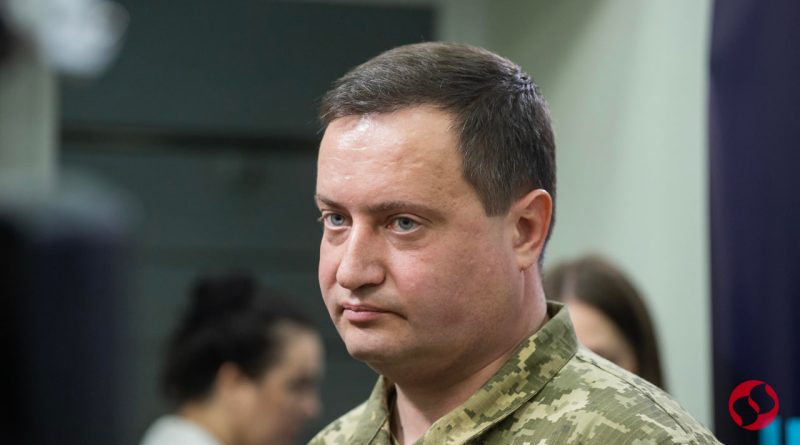
Andriy Yusov, a representative of Ukraine’s Main Directorate of Intelligence (HUR) and close associate of its chief Kyrylo Budanov, has provided a candid assessment of the prospects for achieving peace in 2026 and the current state of affairs on the frontlines. Speaking to LIGA.net, Yusov emphasized the inherent uncertainty of wartime predictions while offering measured insights into Ukraine’s strategic outlook as the conflict approaches its fourth year.
When asked about the possibility of peace being achieved in 2026, Yusov was characteristically cautious, stating that Ukrainian intelligence officials would not commit to specific dates or timelines. This approach reflects a broader strategy within Ukraine’s military and intelligence apparatus to avoid setting public expectations that could be undermined by the unpredictable nature of warfare. The reluctance to provide concrete timelines also stems from the complex web of factors influencing the conflict’s trajectory, including international diplomatic efforts, military developments on the ground, and the evolving political landscape in both supporting and adversary nations.
The current situation on the frontlines remains challenging for Ukrainian forces, with Russian troops continuing offensive operations across multiple sectors. The eastern front, particularly around the Donetsk region, has seen some of the most intense fighting in recent months. Ukrainian defenders have been engaged in a grueling defensive campaign, attempting to hold strategic positions while dealing with significant disparities in artillery ammunition and manpower. Despite these challenges, Ukrainian forces have demonstrated remarkable resilience, employing innovative tactics and leveraging Western-supplied equipment to slow Russian advances.
Kyrylo Budanov, the head of HUR whom Yusov represents, has become one of the most prominent figures in Ukraine’s wartime leadership. The 39-year-old intelligence chief has cultivated a reputation for bold operations and unconventional warfare, overseeing numerous strikes deep within Russian territory and occupied Crimea. Budanov’s directorate has been credited with various sabotage operations, intelligence gathering missions, and the coordination of partisan activities behind enemy lines. His assessments of the war’s progress are closely watched both domestically and internationally, making statements from his office particularly significant.
The question of when peace might be achieved has taken on increased urgency following various diplomatic initiatives and changing political dynamics in key supporting nations. The return of Donald Trump to the U.S. presidency has introduced new variables into the equation, with his administration signaling a desire to facilitate negotiations between Ukraine and Russia. European allies, meanwhile, have been working to strengthen their support for Kyiv while also preparing for potential shifts in American policy. These diplomatic maneuvers have created an atmosphere of uncertainty about the conflict’s future direction.
Historical context provides important perspective on why Ukrainian officials remain cautious about peace predictions. Previous attempts at negotiation, including the early-war talks in Istanbul in March 2022, ultimately failed to produce lasting results. The Minsk agreements of 2014 and 2015, which were supposed to end fighting in the Donbas, were never fully implemented and are now viewed by many as having provided Russia time to prepare for its full-scale invasion. This history of failed diplomatic initiatives has made Ukrainian leadership wary of premature optimism about peace prospects.
Military analysts note that achieving a sustainable peace will require not just a cessation of hostilities but also security guarantees that prevent future Russian aggression. Ukraine has consistently emphasized that any peace agreement must include robust mechanisms to ensure its long-term security, potentially including NATO membership or bilateral defense agreements with major powers. Without such guarantees, Ukrainian officials fear that any peace deal would merely represent a pause in hostilities rather than a genuine resolution to the conflict.
As the war continues into 2025, the human cost remains staggering on both sides. Millions of Ukrainians have been displaced, cities have been devastated, and the economic toll runs into hundreds of billions of dollars. The international community continues to grapple with how to support Ukraine while managing the broader geopolitical implications of the conflict. Yusov’s measured response about peace prospects reflects the sober reality that ending this war will require not just military success but also complex diplomatic negotiations that address fundamental questions about European security architecture for decades to come.