Russian Soldiers Charged with Kidnapping Ukrainian Civilian, Holding Him in Basement for 36 Days
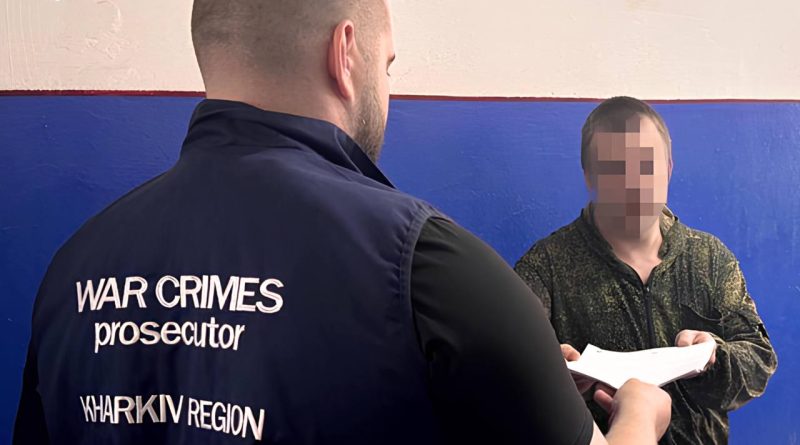
Ukrainian prosecutors have announced formal charges against two Russian prisoners of war for the illegal detention and abuse of a civilian man in the Kharkiv region. The soldiers allegedly kidnapped the victim in the village of Vovchanski Khutory during the spring offensive and held him captive in a basement for 36 harrowing days. During his imprisonment, the man’s seriously ill mother passed away, a loss he was powerless to prevent or even acknowledge while in captivity.
The case represents one of numerous documented instances of Russian forces allegedly committing war crimes against Ukrainian civilians since the full-scale invasion began in February 2022. According to Ukrainian authorities, the two captured Russian servicemen face serious criminal charges under both Ukrainian law and international humanitarian law, which strictly prohibits the arbitrary detention and mistreatment of civilians in occupied territories. The Geneva Conventions explicitly protect non-combatants from such treatment, classifying their unlawful imprisonment as a grave breach of international law.
Vovchanski Khutory, located in the northern Kharkiv region near the Russian border, has been a focal point of intense military activity throughout the conflict. The area experienced particularly heavy fighting during Russian attempts to advance in the spring of 2024, when occupation forces briefly seized control of several settlements. Local residents who remained in their homes often found themselves trapped between advancing and retreating forces, vulnerable to abuse by occupying soldiers. Human rights organizations have documented hundreds of similar cases throughout occupied territories, where civilians report being held in makeshift detention facilities including basements, garages, and abandoned buildings.
The psychological and physical toll of such detention extends far beyond the immediate period of captivity. Victims frequently report lasting trauma, health complications from inadequate food, water, and medical care, and the devastating impact of isolation from family members during critical moments. In this particular case, the detained man was unable to care for his ailing mother or be present during her final days, adding an immeasurable personal tragedy to an already horrific experience. Medical experts and trauma specialists note that such circumstances can lead to complicated grief and post-traumatic stress that requires years of professional treatment to address.
Ukrainian prosecutors have been methodically building cases against Russian soldiers accused of war crimes, with international support from organizations including the International Criminal Court. Since the invasion began, Ukraine has opened more than 100,000 war crime investigations, documenting alleged atrocities ranging from extrajudicial killings to sexual violence and the deportation of children. The prosecution of captured Russian soldiers serves multiple purposes: delivering justice for individual victims, establishing a legal record of violations, and potentially deterring future abuses. Legal experts note that these prosecutions also demonstrate Ukraine’s commitment to rule of law even during wartime conditions.
The treatment of prisoners of war has become a contentious issue on both sides of the conflict, with international monitors calling for full compliance with the Geneva Conventions by all parties. Russia has faced particular criticism for its treatment of Ukrainian POWs and civilians in occupied territories, with former detainees describing systematic torture, forced labor, and deplorable conditions. The United Nations Human Rights Monitoring Mission in Ukraine has repeatedly called for access to detention facilities and accountability for documented abuses. Meanwhile, Ukraine has generally received more favorable assessments of its POW treatment, though international organizations continue to monitor conditions on both sides.
As the war continues into its third year, cases like this one in Vovchanski Khutory underscore the ongoing human cost of the conflict for ordinary Ukrainian citizens. The formal charges against the two Russian soldiers represent a small but significant step in the long process of seeking justice for the thousands of civilians who have suffered similar fates. Ukrainian officials have vowed to pursue every documented case of abuse, regardless of how long the legal process may take, emphasizing that there will be no amnesty for those who commit crimes against civilians. The international community continues to support these efforts, recognizing that accountability for war crimes is essential for any future peace and reconciliation process.