“We Cannot Turn a Blind Eye”: MEP Michał Szczerba on History, Weapons, and Ukraine’s European Future
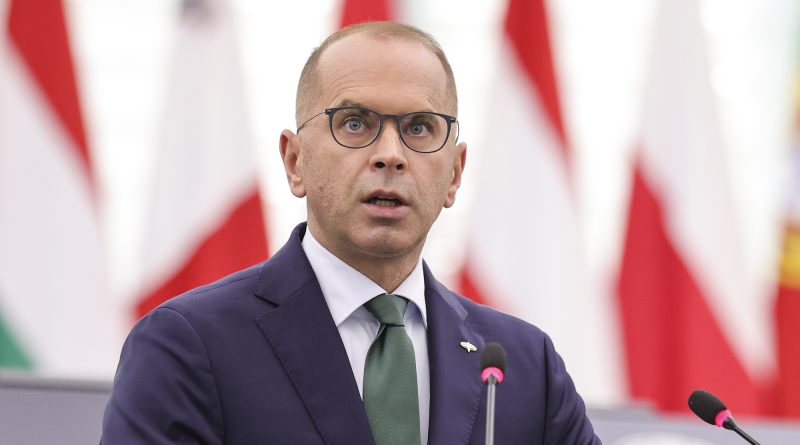
As Ukraine continues its fight against Russian aggression, European parliamentarians are increasingly vocal about the complex web of historical memory, military cooperation, and the path toward EU membership. Polish Member of the European Parliament Michał Szczerba has emerged as a significant voice in these discussions, addressing some of the most sensitive topics surrounding Ukrainian-Polish relations while maintaining a clear stance on Ukraine’s European future. His recent comments touch on the Ukrainian Insurgent Army (UPA), the Volhynia tragedy, the concept of a “military Schengen,” and the ongoing accession process for Ukraine into the European Union.
The historical wounds between Poland and Ukraine run deep, particularly concerning events during World War II. The Volhynia massacre of 1943-1944, in which tens of thousands of ethnic Poles were killed by the UPA, remains one of the most painful chapters in the shared history of both nations. For decades, this tragedy has been a source of diplomatic tension, with Poland pushing for full acknowledgment and proper commemoration of the victims. Szczerba emphasizes that “we cannot turn a blind eye” to these historical events, suggesting that genuine reconciliation requires honest confrontation with the past. However, he frames this not as an obstacle to partnership but as a necessary step toward building a stronger, more authentic relationship between the two neighboring nations.
The Ukrainian Insurgent Army, known by its Ukrainian acronym UPA, presents a particularly complex case for historical interpretation. For many Ukrainians, especially in western regions, the UPA represents a liberation movement that fought against both Nazi Germany and Soviet occupation, making it a symbol of national resistance. Conversely, in Poland and among some historians, the organization is primarily remembered for ethnic cleansing operations against Polish civilians. This divergence in historical memory has occasionally strained bilateral relations, particularly when Ukrainian officials have publicly honored UPA veterans or named streets after controversial figures. European parliamentarians like Szczerba advocate for a nuanced approach that acknowledges the suffering of victims while understanding the broader historical context of occupied peoples fighting for independence.
Beyond historical debates, practical military cooperation between European nations has taken center stage amid the ongoing conflict. The concept of a “military Schengen” has gained traction among European defense strategists and politicians. Just as the Schengen Agreement allows for the free movement of people across European borders, a military equivalent would streamline the movement of troops, equipment, and supplies across member states. Currently, transporting military assets through European countries can involve bureaucratic delays lasting days or even weeks – a critical vulnerability exposed by Russia’s invasion of Ukraine. Proponents argue that such an arrangement would significantly enhance NATO’s ability to respond rapidly to threats on its eastern flank, while also facilitating more efficient delivery of military aid to Ukraine.
The European Union has made unprecedented moves toward integrating Ukraine since the full-scale Russian invasion began in February 2022. Ukraine was granted EU candidate status in June 2022, a decision that would have seemed unthinkable just years earlier. The accession process typically takes many years, requiring candidate countries to implement extensive reforms across dozens of policy chapters covering everything from judiciary independence to environmental standards. Ukraine has accelerated its reform efforts despite the wartime circumstances, passing significant anti-corruption legislation and making constitutional changes to align with EU requirements. Szczerba and other supportive MEPs argue that Ukraine’s sacrifices in defending European values against authoritarian aggression merit an expedited path to membership, though practical challenges remain substantial.
The weapons question remains central to European discussions about Ukraine. Poland has been among the most generous contributors of military aid, providing tanks, artillery, and various weapons systems to its eastern neighbor. However, debates continue about the types and quantities of weapons that should be supplied. Some argue for removing restrictions on the use of Western weapons against targets inside Russia, while others counsel caution to avoid escalation. Szczerba’s position reflects a growing consensus among Central and Eastern European parliamentarians that robust military support is essential not just for Ukraine’s survival but for Europe’s long-term security architecture. The lessons of history, they argue, demonstrate that appeasing aggressive powers only invites further aggression.
Looking ahead, the relationship between historical reconciliation and future integration presents both challenges and opportunities. Szczerba suggests that Ukraine’s European aspirations and the need for honest historical dialogue are not mutually exclusive but rather complementary processes. As Ukraine moves closer to EU membership, addressing sensitive historical questions openly could strengthen rather than weaken the foundation of European solidarity. The path forward requires diplomatic skill, mutual respect, and a shared commitment to truth – qualities that will serve both nations well as they navigate an uncertain geopolitical landscape together.