“Putin Missed His Chance”: Ukraine’s Foreign Minister Comments on Dictator’s Rejection of Zelensky’s Proposal
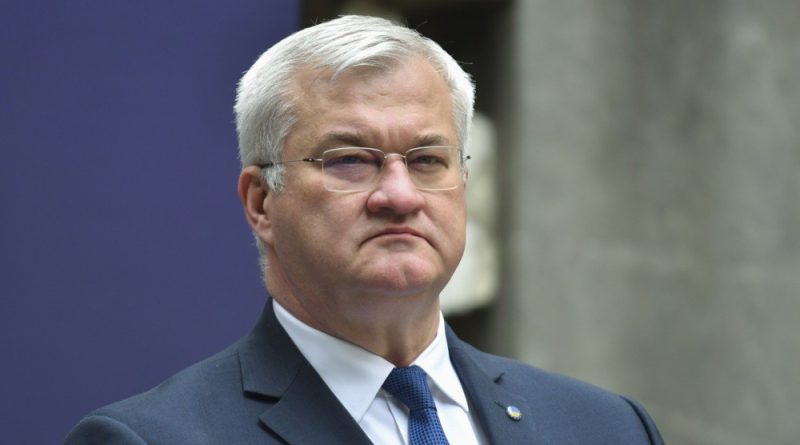
Ukraine’s Foreign Minister Andrii Sybiha has delivered a pointed assessment of Russian President Vladimir Putin’s decision to reject the latest peace proposal put forward by Ukrainian President Volodymyr Zelensky. In his statement, Sybiha emphasized that the Kremlin leader has fundamentally “missed his chance” at a diplomatic resolution, suggesting that continued military aggression will only deepen Russia’s international isolation and compound the devastating consequences the country already faces as a result of its unprovoked invasion of Ukraine.
The diplomatic exchange comes at a critical juncture in the ongoing conflict, which began with Russia’s full-scale invasion of Ukraine in February 2022. Over the past three years, the war has claimed hundreds of thousands of lives on both sides, displaced millions of Ukrainian civilians, and fundamentally reshaped the geopolitical landscape of Europe. Zelensky’s peace initiative, which reportedly included provisions for territorial negotiations and security guarantees, represented a potential off-ramp from the escalating conflict. Putin’s refusal to engage with these proposals has been interpreted by Kyiv and Western allies as further evidence of Moscow’s unwillingness to pursue genuine peace.
Sybiha’s comments reflect a broader strategic narrative that Ukraine and its Western partners have been constructing throughout the conflict. The foreign minister highlighted that Russia’s continued prosecution of the war is not without significant cost to the aggressor nation itself. Since the invasion began, Russia has faced unprecedented economic sanctions from the United States, European Union, and numerous other countries. These measures have targeted Russian banks, oligarchs, energy exports, and technology imports, creating substantial pressure on the Russian economy. While Russia has demonstrated resilience in some sectors, experts note that the long-term consequences of isolation from Western markets and technology will prove increasingly difficult to mitigate.
The military dimension of Russia’s losses has been equally staggering. Western intelligence estimates suggest that Russian forces have suffered well over 300,000 casualties since the war’s outset, including both killed and wounded soldiers. The conflict has decimated professional military units, forcing Moscow to rely heavily on mobilized civilians, mercenary groups, and recruits from Russia’s far-flung regions. Military analysts observe that Russia’s losses in advanced equipment, including modern tanks, aircraft, and precision munitions, will take years if not decades to replace, particularly given restricted access to Western components and manufacturing technology.
Beyond the immediate military and economic impacts, Sybiha alluded to the profound diplomatic consequences Russia faces for its actions. The invasion has united NATO in ways not seen since the Cold War, prompting historically neutral nations like Finland and Sweden to seek membership in the Western military alliance. Russia’s standing in international organizations has been severely damaged, with Moscow facing war crimes investigations at the International Criminal Court and widespread condemnation in United Nations forums. The foreign minister suggested that Putin’s rejection of peace overtures only reinforces the perception of Russia as a pariah state unwilling to abide by international norms.
Historical parallels offer sobering context for the current situation. Previous Russian leaders who engaged in protracted conflicts without clear strategic objectives often faced severe domestic and international consequences. The Soviet Union’s decade-long war in Afghanistan, for instance, contributed significantly to economic strain and eventual political collapse. Analysts note that while modern Russia operates under different circumstances, the cumulative effects of sustained warfare, economic isolation, and demographic decline pose existential challenges to the Russian state’s long-term stability and global influence.
As the conflict enters its fourth year, Ukraine continues to receive substantial military and financial support from Western allies, who have collectively pledged over $200 billion in assistance. Sybiha’s statement serves both as a rebuke to Putin’s diplomatic intransigence and as a signal to international partners that Ukraine remains committed to achieving a just peace while simultaneously preparing for continued resistance. The foreign minister’s assertion that Putin has “missed his chance” suggests that future negotiations, if they occur, may proceed from a position even less favorable to Moscow’s interests, as the costs of continued aggression continue to mount.