Growing Number of Ukrainian Men Seeking Refuge in Germany as War Enters Fourth Year
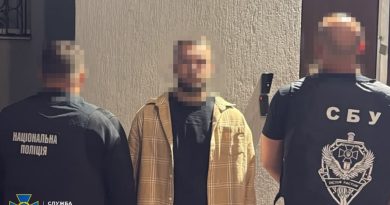
A significant demographic shift is occurring among Ukrainian refugees arriving in Germany, with recent data revealing that men now constitute the majority of newcomers from the war-torn nation. According to a report by the German media outlet RND (Redaktionsnetzwerk Deutschland), approximately 60% of Ukrainian citizens who have arrived in Germany since the beginning of 2025 are male. This marks a notable departure from the earlier phases of the refugee crisis, when women and children made up the overwhelming majority of those fleeing the conflict.
The change in demographic patterns raises important questions about the evolving nature of the Ukrainian refugee crisis and the circumstances driving men to leave their homeland despite the ongoing mobilization efforts. When Russia launched its full-scale invasion of Ukraine in February 2022, the Ukrainian government implemented martial law, which included restrictions on men aged 18 to 60 leaving the country. This measure was designed to ensure sufficient manpower for military defense and resulted in the initial refugee population being predominantly composed of women, children, and elderly individuals.
Germany has emerged as one of the primary destinations for Ukrainian refugees in Europe, hosting over one million displaced Ukrainians since the conflict began. The country activated the EU Temporary Protection Directive for the first time in history, granting Ukrainian refugees immediate access to residence permits, work authorization, social benefits, and healthcare. This welcoming policy, combined with Germany’s strong economy and existing Ukrainian diaspora communities, made it an attractive destination for those fleeing the war. Cities like Berlin, Munich, and Hamburg have seen particularly large influxes of Ukrainian refugees, with local governments working to provide housing, language courses, and integration programs.
The increasing number of male refugees arriving in 2025 may be attributed to several factors that have developed over the course of the prolonged conflict. As the war has dragged on for nearly three years, exhaustion and economic hardship have taken their toll on Ukrainian society. Some men may have found ways to leave the country through various means, including obtaining exemptions for medical reasons, pursuing educational opportunities abroad, or crossing borders through unofficial channels. Reports have also emerged of corruption at border checkpoints, where bribes allegedly allow some men to circumvent the travel restrictions.
The Ukrainian government has struggled to balance its need for military personnel with the growing pressure from its citizens seeking safety abroad. In recent months, Kyiv has implemented stricter mobilization measures, lowering the conscription age and tightening exemption criteria. These policies have generated controversy domestically and may paradoxically be contributing to increased emigration as men seek to avoid being drafted into a conflict that has claimed hundreds of thousands of casualties on both sides. The humanitarian situation in Ukraine remains dire, with ongoing Russian missile strikes targeting civilian infrastructure, power stations, and residential areas throughout the country.
The shift in refugee demographics presents both challenges and opportunities for German authorities. Male refugees of working age could potentially help address labor shortages in various sectors of the German economy, from construction to healthcare to information technology. Many Ukrainian men arriving in Germany possess valuable professional skills and work experience. However, the change also raises diplomatic sensitivities, as Germany has been one of Ukraine’s strongest supporters in the conflict, providing substantial military and financial aid. The presence of military-age Ukrainian men abroad while their country fights for survival creates an awkward situation for both governments.
Integration experts and social workers in Germany note that the needs of male refugees may differ from those of women and children who arrived earlier. While family reunification remains a priority for many, single men often face different housing situations and social challenges. German authorities are adapting their integration programs to address these evolving needs while continuing to support the broader Ukrainian refugee community. As the conflict shows no signs of imminent resolution, the flow of refugees is expected to continue, though its composition may keep evolving based on developments on the battlefield and policy changes in both Ukraine and host countries throughout Europe.