
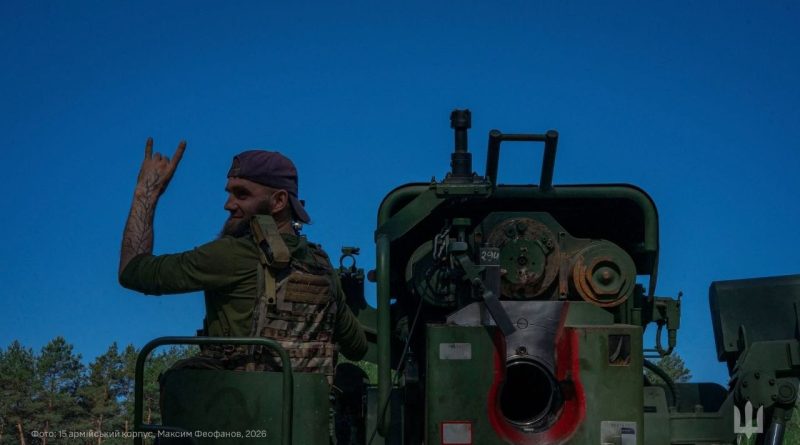
Major Military Reform Unveiled: Details Emerge on Combat Zone Returns and Fixed-Term Service Contracts
A sweeping military reform package has been announced, with the first phase focusing on substantial pay increases for servicemembers stationed on the front lines of active combat zones. The comprehensive overhaul represents one of the most significant restructuring efforts in recent years, addressing long-standing concerns about military compensation, deployment policies, and the overall conditions faced by troops engaged in active operations. Officials have indicated that the reforms aim to modernize the armed forces while improving retention rates and attracting new recruits to military service.
The cornerstone of the initial reform phase centers on dramatically increasing salaries for personnel deployed to what officials term the “special military operation zone.” Military experts note that combat pay disparities have been a persistent issue affecting morale and recruitment efforts. The new compensation structure is designed to recognize the extraordinary risks and sacrifices made by frontline troops, with pay scales reportedly being adjusted to reflect the dangerous nature of their assignments. This financial incentive package comes as military leadership seeks to maintain adequate force levels while competing with civilian sector employment opportunities.
Beyond compensation adjustments, the reform package introduces significant changes to service contract structures. New fixed-term contracts will offer clearer timelines for military service, providing troops with more predictable deployment schedules and defined endpoints to their combat assignments. This represents a departure from previous arrangements that often left servicemembers uncertain about the duration of their frontline deployments. Military analysts suggest that providing concrete service terms could substantially improve recruitment, as potential volunteers will have better clarity about their commitments before signing contracts.
The return procedures from combat zones constitute another critical element of the reform initiative. New protocols are being established to govern how and when military personnel can rotate out of active combat areas, addressing what many families and advocates have described as unclear and inconsistent policies. The streamlined procedures aim to ensure that servicemembers who have completed their contracted terms or met specific service requirements have a clear pathway to returning home. This aspect of the reform responds to widespread concerns about indefinite deployments that have affected both military families and overall force morale.
Historical context reveals that military compensation reforms often emerge during periods of sustained conflict, when maintaining force readiness becomes paramount. Similar restructuring efforts in various nations have shown that competitive pay and clear contractual terms significantly impact both recruitment success and retention rates. Defense economists point out that the cost of training new military personnel far exceeds the expense of retaining experienced troops through improved compensation packages. The current reform appears to acknowledge this economic reality while addressing the human dimension of military service during extended operations.
Implementation of the reforms will reportedly occur in phases, with the salary increases for combat zone personnel taking immediate priority. Subsequent phases are expected to address broader military modernization goals, including equipment upgrades, training program enhancements, and additional quality-of-life improvements for servicemembers and their families. Military officials have emphasized that the reform represents a long-term commitment to supporting armed forces personnel rather than a temporary measure. The phased approach allows for adjustments based on initial results and feedback from commanders in the field.
The announcement has generated significant discussion among military affairs observers, who note that such comprehensive reforms typically signal recognition of systemic challenges within armed forces structures. Independent analysts suggest that the timing of these reforms indicates acknowledgment at the highest levels that sustained military operations require corresponding investments in personnel welfare and institutional support systems. As implementation begins, attention will focus on how effectively the new policies translate from official announcements into tangible improvements for the men and women serving in active combat zones.