A Shift in Strategy: Why Zelensky Has Finally Opened Dialogue with Ukraine’s Parliament After Years of Distance
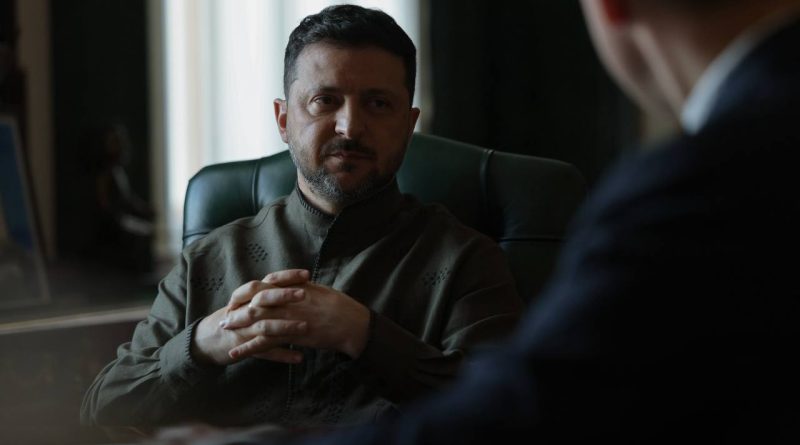
In an unprecedented move that has caught political observers by surprise, Ukrainian President Volodymyr Zelensky convened a meeting with parliamentary factions this week, marking the first such dialogue in years. The gathering, which brought together representatives from across the political spectrum, signals a potential turning point in the relationship between the executive branch and the Verkhovna Rada, Ukraine’s legislative body. Political analysts suggest this sudden openness may indicate that the president’s administration is facing mounting pressures that can no longer be addressed through unilateral decision-making alone.
The timing of this outreach is particularly significant given the challenging circumstances Ukraine currently faces. With the war entering its fourth year, economic pressures mounting, and international support showing signs of fatigue, Zelensky appears to be recalibrating his political strategy. Sources close to the presidential office have indicated that “things are bad” — a frank assessment that underscores the gravity of the situation prompting this unusual step toward parliamentary engagement. The move represents a stark departure from the administration’s previous approach, which often bypassed traditional legislative processes in favor of presidential decrees and executive actions.
To understand the significance of this development, one must consider the historical context of executive-legislative relations in Ukraine. Since gaining independence in 1991, the country has oscillated between periods of strong presidential authority and parliamentary influence. The 2004 Orange Revolution and the 2014 Euromaidan uprising both resulted in constitutional changes that shifted power between branches. Zelensky, who came to power in 2019 with an overwhelming mandate and a parliamentary supermajority through his Servant of the People party, initially enjoyed unprecedented control over the legislative process. His party’s dominance allowed him to push through reforms with minimal opposition, but this same dynamic contributed to a growing disconnect between the presidency and other political forces.
The wartime context has further complicated these dynamics. When Russia launched its full-scale invasion in February 2022, Ukraine imposed martial law, which remains in effect to this day. This legal framework has concentrated significant powers in the executive branch and suspended regular electoral cycles, including parliamentary elections that would have been due. While this consolidation of authority was initially accepted as a wartime necessity, it has increasingly become a source of tension. Opposition figures and civil society organizations have raised concerns about democratic backsliding, even as they acknowledge the extraordinary circumstances the country faces. International partners, particularly in the European Union, have also quietly emphasized the importance of maintaining democratic norms despite the ongoing conflict.
Political experts suggest several factors may have driven Zelensky’s decision to engage with parliament now. First, there is the question of legitimacy — with his presidential term technically expired and elections postponed indefinitely, broader political consensus becomes essential for maintaining domestic and international credibility. Second, the administration faces critical decisions regarding mobilization policies, economic reforms, and potential negotiations with Russia that would benefit from parliamentary backing. Third, there are growing signs of war fatigue among the population, and sharing responsibility for difficult decisions with the legislature could help distribute political risk. “When times are good, presidents prefer to govern alone and take credit,” noted one Kyiv-based political analyst. “When times are difficult, suddenly consultation and consensus become attractive.”
The reaction from parliamentary factions has been cautiously optimistic but measured. Opposition parties, long marginalized from meaningful policy discussions, have expressed willingness to engage while demanding substantive involvement rather than mere window dressing. Representatives from various factions emphasized that any dialogue must be genuine and ongoing, not a one-time photo opportunity. Some lawmakers have called for the restoration of regular parliamentary oversight mechanisms that were suspended or weakened during the initial emergency phase of the war. The question remains whether this meeting represents a genuine shift in governance philosophy or a tactical maneuver designed to address immediate political pressures.
The international dimension of this development should not be overlooked. Ukraine’s Western partners have consistently emphasized the importance of democratic governance, even during wartime. The European Union, which granted Ukraine candidate status in 2022, continues to monitor political developments as part of the accession process. Similarly, the United States Congress has tied some aspects of continued military and economic support to governance reforms. By demonstrating a commitment to inclusive political processes, Zelensky may be addressing concerns from allies who have grown increasingly vocal about the need for Ukraine to maintain its democratic character. Whether this parliamentary outreach translates into lasting institutional change or remains a temporary adjustment to extraordinary pressures will likely become clearer in the coming months, as Ukraine navigates one of the most challenging periods in its modern history.