Russia Seeks New Front as Ukraine Prepares Defense: Exclusive Interview with National Guard Commander
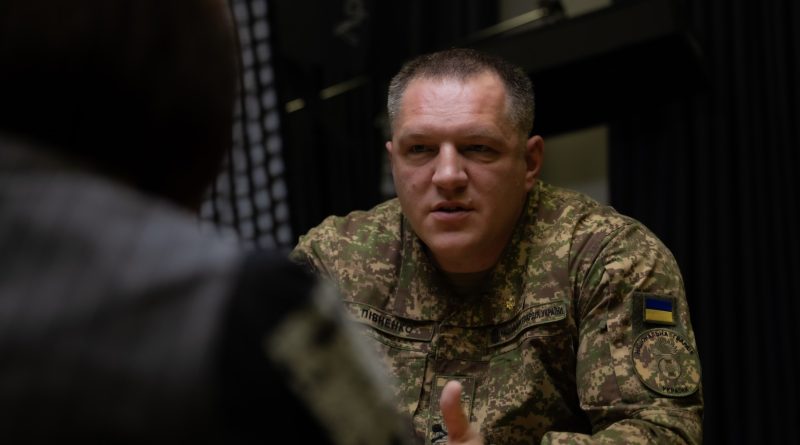
As the war in Ukraine enters its fourth year, military strategists on both sides are constantly adapting their approaches to the evolving battlefield conditions. In a comprehensive interview with the commander of Ukraine’s National Guard, critical insights have emerged regarding Russia’s potential plans to open new fronts, the challenges facing Ukraine’s Territorial Recruitment Centers (TCC), and the expanding scope of defensive operations along the extensive contact line. The interview sheds light on the strategic thinking at the highest levels of Ukraine’s defense establishment and reveals the complex calculations being made as the conflict continues.
According to the National Guard commander, Russian military planners are actively seeking opportunities to establish new fronts beyond the current areas of intense combat in eastern and southern Ukraine. This strategic approach reflects Moscow’s attempt to stretch Ukrainian defense forces across multiple axes, potentially creating vulnerabilities that could be exploited. The commander emphasized that Ukraine is not passively waiting for such developments but is actively working on preemptive measures to neutralize potential threats before they materialize into full-scale offensive operations. Intelligence gathering and rapid response capabilities have become crucial elements of this defensive strategy.
The interview extensively addressed the situation along the Belarusian border, which has remained a source of concern since the early days of the full-scale invasion when Russian forces used Belarusian territory as a staging ground for their assault on Kyiv. While Belarus has not directly entered the conflict, the presence of Russian military assets on its territory and joint military exercises continue to tie down significant Ukrainian forces in defensive positions along this northern frontier. The National Guard commander indicated that monitoring capabilities have been significantly enhanced, and defensive preparations have been strengthened to respond to any potential incursion from this direction. The approximately 1,000-kilometer border with Belarus represents a substantial security challenge that requires constant vigilance.
Perhaps the most domestically sensitive topic addressed in the interview was the functioning of Ukraine’s Territorial Recruitment Centers, known by their Ukrainian acronym TCC. These centers have faced significant public criticism over allegations of heavy-handed mobilization tactics and instances of corruption. The commander acknowledged these challenges while defending the critical importance of maintaining adequate troop levels to sustain Ukraine’s defense. Since the beginning of the full-scale invasion, Ukraine has implemented several mobilization waves, lowering the conscription age from 27 to 25 in 2024. The balance between meeting urgent military manpower needs and maintaining public trust in the recruitment process remains one of the most delicate issues facing Ukrainian authorities.
The concept of the “kill zone” – areas of intense combat where both sides suffer significant casualties – was another major focus of the discussion. The commander provided insights into how these zones have expanded and shifted throughout the conflict, particularly in hotspots like Bakhmut, Avdiivka, and more recently in the Kharkiv region. Ukrainian forces have developed sophisticated defensive doctrines that maximize the effectiveness of their positions while minimizing their own losses. This includes extensive use of drone technology, precision artillery strikes, and elaborate fortification systems that have proven essential in slowing Russian advances despite Moscow’s significant advantages in manpower and ammunition.
Historical context is essential to understanding the current dynamics. The National Guard of Ukraine, established in 2014 following the Revolution of Dignity and Russia’s first military intervention in Crimea and Donbas, has evolved from a relatively small force focused primarily on internal security to a significant combat formation with frontline responsibilities. Units like the Azov Brigade, which gained international recognition during the siege of Mariupol in 2022, operate under the National Guard’s command structure. This transformation reflects the broader militarization of Ukrainian society that has occurred in response to Russian aggression over the past decade.
Looking ahead, the commander expressed cautious optimism about Ukraine’s defensive capabilities while acknowledging the significant challenges that remain. The ongoing delivery of Western military equipment, including air defense systems and armored vehicles, continues to bolster Ukrainian forces. However, the commander emphasized that technology alone cannot substitute for adequate personnel, making the mobilization question central to Ukraine’s long-term defense strategy. As spring 2025 approaches, both sides are expected to launch renewed offensive operations, making the coming months potentially decisive for the trajectory of the conflict. The interview concluded with a call for continued international support and a reminder that Ukraine’s fight represents a broader struggle for the principles of sovereignty and territorial integrity in the international order.