Ukraine Secures Release of 185 Defenders in Major Prisoner Exchange with Russia
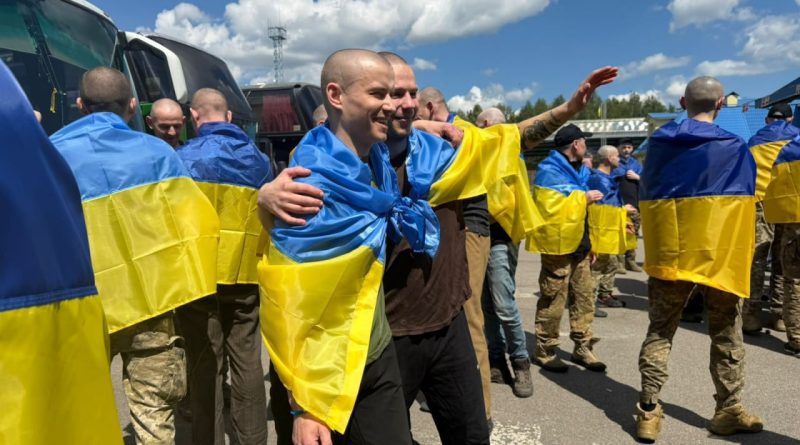
In a significant diplomatic development amid the ongoing conflict, Ukraine has successfully negotiated the return of 185 military personnel and defenders in the latest prisoner exchange with Russia. President Volodymyr Zelensky personally commented on the exchange, emphasizing the importance of bringing Ukrainian soldiers back home to their families. The swap represents one of the larger exchanges conducted between the two nations since the full-scale invasion began in February 2022, highlighting the continued behind-the-scenes negotiations that persist despite the intense military hostilities on the battlefield.
The released Ukrainian defenders include servicemen from various branches of the armed forces, territorial defense units, and members of the national guard who had been captured during combat operations across different fronts. Many of these soldiers had been held in Russian detention facilities for extended periods, with some captured during the early chaotic days of the invasion and others taken prisoner during fierce battles in the eastern Donbas region. The physical and psychological condition of returning prisoners has been a consistent concern for Ukrainian authorities, as numerous former detainees have reported harsh treatment and inadequate medical care during their captivity.
President Zelensky addressed the nation following the completion of the exchange, expressing gratitude to all parties involved in facilitating the complex negotiations. The Ukrainian leader has consistently maintained that recovering captured soldiers remains a top priority for his administration, viewing each successful exchange as both a humanitarian victory and a morale boost for troops currently serving on the front lines. Intelligence services, diplomatic channels, and international mediators have all played crucial roles in arranging these swaps, which require delicate coordination between nations officially at war with each other.
Since the beginning of the full-scale conflict, Ukraine and Russia have conducted numerous prisoner exchanges, with the total number of returned Ukrainian defenders now reaching into the thousands. The United Arab Emirates has frequently served as a key intermediary in these negotiations, leveraging its relationships with both Moscow and Kyiv to facilitate dialogue. Turkey, Saudi Arabia, and the Vatican have also participated in mediation efforts at various points, demonstrating the international community’s involvement in addressing humanitarian concerns arising from the conflict.
The process of negotiating prisoner exchanges is notoriously complex and often shrouded in secrecy to protect ongoing discussions. Typically, both sides compile lists of personnel they wish to recover, with negotiations sometimes lasting months before an agreement is reached. The exchanges themselves are carefully choreographed events, often conducted at neutral locations or border crossings, with international observers sometimes present to ensure compliance with agreed-upon terms. Intelligence agencies from both countries work to verify identities and ensure that all conditions are met before any transfer takes place.
For the families of captured soldiers, the anxiety of waiting for news about their loved ones represents one of the most agonizing aspects of the conflict. Advocacy groups and family organizations have played an increasingly vocal role in pressuring the Ukrainian government to prioritize prisoner returns, organizing demonstrations and media campaigns to keep public attention focused on the issue. The emotional reunions between returned defenders and their families have become powerful symbols of hope amid the broader tragedy of war, frequently shared across social media platforms and broadcast on national television.
Medical and psychological rehabilitation represents the next critical phase for returning prisoners, many of whom bear physical wounds and psychological trauma from their time in captivity. The Ukrainian government has established specialized programs to assist former prisoners in reintegrating into civilian life or returning to military service if they choose. International humanitarian organizations have documented the conditions in detention facilities on both sides, with reports of varying treatment depending on location and the status of individual prisoners. As the conflict continues with no immediate end in sight, the cycle of capture and exchange is expected to persist, with both governments facing ongoing pressure to secure the release of their respective citizens held by the opposing side.