Finland to Test Civil Defense Sirens on First Day of Summer in Nationwide Readiness Exercise
Finland is preparing to conduct a comprehensive test of its civil defense warning system on the first day of summer, as the government emphasizes the critical importance of public awareness in distinguishing between test signals and genuine emergency warnings. This scheduled exercise reflects Finland’s longstanding commitment to civil preparedness, a tradition that has gained renewed significance in light of evolving security concerns across the Nordic region and broader European landscape.
The Finnish government has stressed that educating the population about the difference between routine test signals and actual warning alerts is essential for maintaining an effective civil defense infrastructure. Officials note that public familiarity with these sounds could prove crucial during real emergencies, whether caused by natural disasters, industrial accidents, or security threats. The test is designed not only to verify the technical functionality of the siren network but also to ensure that citizens understand how to respond appropriately when they hear these alerts.
Finland’s civil defense system has deep historical roots dating back to the Cold War era, when the country’s unique geopolitical position between East and West necessitated robust emergency preparedness measures. The nation shares an 830-mile border with Russia, the longest of any European Union member state, which has historically influenced its approach to national security and civil protection. During the Cold War, Finland constructed an extensive network of underground shelters capable of protecting millions of citizens, infrastructure that continues to be maintained and modernized to this day.
The country’s civil defense capabilities have attracted international attention in recent years, particularly following Russia’s invasion of Ukraine in February 2022. Finland’s subsequent decision to join NATO in April 2023, ending decades of military non-alignment, has been accompanied by increased focus on national preparedness. The Finnish government has updated guidance for citizens on emergency preparedness, encouraging households to maintain supplies of food, water, and essential medications sufficient for at least 72 hours of self-sufficiency during potential crises.
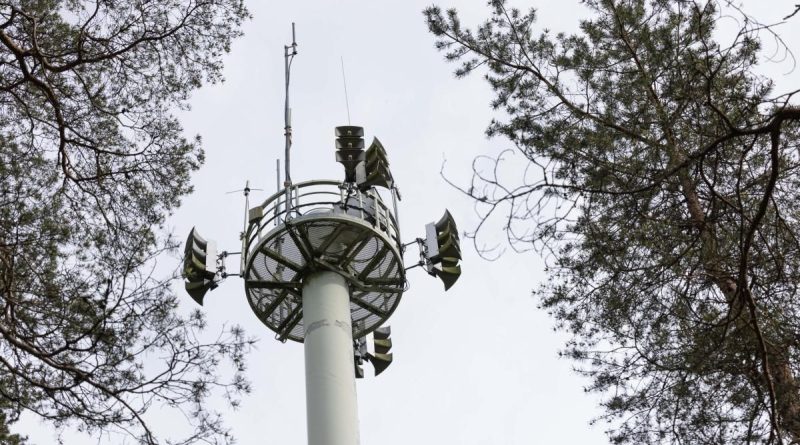
The siren warning system operates as part of a broader emergency communication network that includes digital alerts, radio broadcasts, and mobile phone notifications. Finnish authorities conduct regular tests of these systems to ensure reliability and public awareness. The distinctive sound of civil defense sirens—a rising and falling tone that differs markedly from other public signals—is designed to be immediately recognizable and to prompt specific protective actions from the population. Citizens are expected to move indoors, close windows and ventilation systems, and tune to official broadcast channels for further instructions when they hear the genuine warning signal.
Emergency preparedness experts emphasize that regular testing and public education are fundamental components of effective civil defense systems worldwide. Countries with high levels of public awareness and regular drills tend to demonstrate better outcomes during actual emergencies, as citizens are more likely to respond quickly and appropriately. Finland consistently ranks among the world’s most prepared nations for various types of crises, a distinction that reflects both government investment in infrastructure and a cultural emphasis on self-reliance and community resilience.
The timing of the test on the first day of summer carries symbolic significance, occurring during a period when many Finns traditionally spend time at summer cottages in rural areas. This scheduling choice may serve to remind citizens that emergency preparedness extends beyond urban centers where sirens are most concentrated. Finnish authorities have continued to expand and modernize the warning system to reach more remote areas, while also investing in complementary technologies such as emergency alert apps and satellite-based communication systems that can reach populations beyond the range of traditional sirens.
As Finland continues to adapt its security posture in response to changing regional dynamics, exercises like this siren test represent one component of a comprehensive approach to national resilience. The government’s emphasis on public participation and awareness reflects an understanding that effective civil defense depends not only on technical systems and professional responders but also on an informed and prepared citizenry capable of protecting themselves and supporting their communities during times of crisis.