
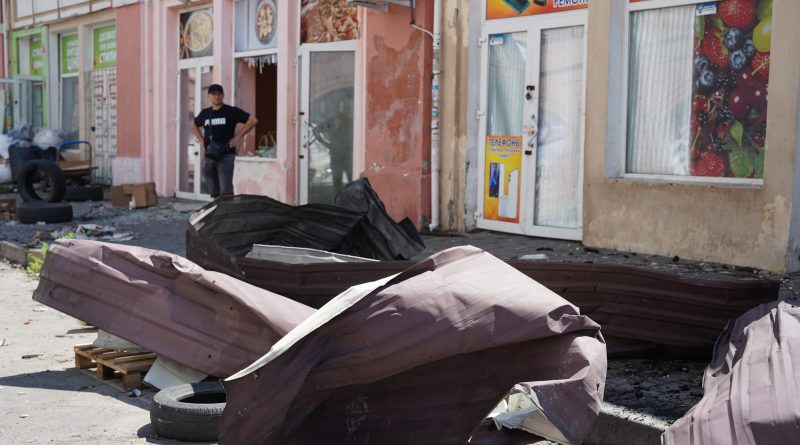
Inside Odesa’s Devastated Historic Center: Russian Strikes Target UNESCO World Heritage Site
The historic heart of Odesa, Ukraine’s beloved Black Sea pearl, bears fresh wounds following a series of Russian missile strikes that have damaged civilian infrastructure within the city’s UNESCO-protected district. The attacks, which targeted areas recognized as part of humanity’s shared cultural heritage, have left residents and preservationists reeling as they assess the extent of destruction to buildings that have stood for centuries.
Odesa’s historic center was inscribed on the UNESCO World Heritage List in January 2023, a designation that came amid the ongoing conflict and was intended to provide additional international protection for the city’s irreplaceable architectural treasures. The inscription recognized the city’s outstanding universal value as a 19th-century trading hub that blended diverse cultural influences from across Europe and the Mediterranean. Founded in 1794 by decree of Catherine the Great, Odesa rapidly developed into one of the Russian Empire’s most cosmopolitan cities, featuring elegant neoclassical buildings, grand boulevards, and the famous Potemkin Steps that have become iconic in world cinema.
The recent strikes have caused significant damage to residential buildings and civilian infrastructure within the protected zone. Emergency responders worked through the night to assist affected residents and secure damaged structures. Local authorities report that several historic facades have been compromised, with shattered windows, collapsed roofs, and structural damage visible across multiple blocks. The attacks represent a continuation of what Ukrainian officials describe as a deliberate Russian campaign against the country’s cultural identity, with Odesa facing repeated aerial assaults since the full-scale invasion began in February 2022.
Cultural preservation experts have expressed alarm at the ongoing destruction of Odesa’s architectural heritage. The city’s historic center encompasses approximately 1,300 hectares and includes remarkable examples of late 18th and 19th-century urban planning, featuring influences from Italian, French, and Austrian architects who helped shape the city’s distinctive character. The Odesa Opera and Ballet Theater, often considered one of the most beautiful opera houses in the world, along with numerous palaces, museums, and religious buildings, all fall within the endangered zone. UNESCO has repeatedly condemned attacks on cultural sites during the conflict, noting that the intentional destruction of cultural heritage may constitute a war crime under international law.
The psychological impact on Odesa’s residents extends beyond the physical destruction. For generations of Ukrainians, Odesa has represented a unique synthesis of cultures – Ukrainian, Jewish, Greek, Italian, and many others – that created a distinct urban identity celebrated in literature, music, and humor. Writers like Isaac Babel immortalized the city’s colorful characters and winding streets, while its beaches and mild climate made it a beloved resort destination. The systematic targeting of this heritage strikes at the heart of Ukrainian national identity and collective memory, residents say, representing an attempt to erase the physical evidence of a shared multicultural past.
International reaction to the strikes has been swift, with cultural organizations and foreign governments condemning the attacks on protected heritage sites. The 1954 Hague Convention for the Protection of Cultural Property in the Event of Armed Conflict explicitly prohibits attacks on cultural monuments, and the deliberate targeting of UNESCO World Heritage Sites carries particular legal and moral weight. Ukrainian authorities have been meticulously documenting damage to cultural sites throughout the conflict, building evidence for potential future war crimes prosecutions. Restoration experts estimate that fully repairing damage to Odesa’s historic structures could take decades and cost hundreds of millions of dollars, even under optimal conditions.
As dawn breaks over the damaged streets of Odesa’s center, residents begin the painful process of clearing debris and assessing what can be saved. Despite the destruction, many express determination to preserve their city’s unique character. Local preservation societies, working alongside international partners, have accelerated efforts to digitally document architectural details before they might be lost to future attacks. The strikes on Odesa serve as a stark reminder that in modern warfare, cultural heritage remains vulnerable, and that the loss extends far beyond bricks and mortar to encompass the very identity of communities that have developed over centuries.