Poland Restricts Flights Near Ukrainian and Belarusian Borders Until Autumn at Military’s Request
Poland has announced significant restrictions on civilian air traffic near its eastern borders with Ukraine and Belarus, implementing security measures that will remain in effect for nearly three months. The decision, made at the explicit request of the Polish Armed Forces, reflects the ongoing tensions in the region stemming from the conflict in Ukraine and the complex security situation along NATO’s eastern flank. The restrictions underscore the delicate balance European nations must maintain between civilian aviation operations and national defense priorities in an increasingly volatile geopolitical environment.
The Polish Civil Aviation Authority confirmed that the temporary flight restrictions will affect specific airspace zones adjacent to both the Ukrainian and Belarusian borders. Commercial airlines and private aircraft operators have been notified of the designated no-fly and restricted zones, with alternative routing being coordinated to minimize disruption to regular air traffic. The military’s involvement in requesting these measures suggests heightened surveillance and defense activities in the border regions, though Polish authorities have not disclosed specific operational details for security reasons.
This latest move by Poland comes against the backdrop of more than three years of conflict following Russia’s full-scale invasion of Ukraine in February 2022. Poland, sharing a 535-kilometer border with Ukraine and a 418-kilometer border with Belarus, has been at the forefront of NATO’s response to the crisis. The country has served as a crucial hub for humanitarian aid, military supplies, and refugee support, with over 1.5 million Ukrainian refugees finding shelter within Polish borders since the war began. The strategic importance of Poland’s position cannot be overstated, as it represents one of the most critical junctures between Western Europe and the conflict zone.
The relationship between Poland and Belarus has deteriorated significantly in recent years, particularly following the disputed 2020 Belarusian presidential election and the subsequent migration crisis orchestrated by the Lukashenko regime in 2021. Belarus, a close ally of Russia, has allowed its territory to be used as a staging ground for Russian military operations against Ukraine, further straining relations with its western neighbor. Polish military officials have repeatedly expressed concerns about potential provocations from Belarusian territory, including unauthorized drone incursions and attempts to destabilize the border region through hybrid warfare tactics.
Aviation security experts note that such airspace restrictions have become increasingly common among NATO member states bordering conflict zones. Similar measures have been implemented by Romania, the Baltic states, and other countries in the region. The restrictions serve multiple purposes: they provide military forces with unimpeded access to critical airspace for reconnaissance and defense operations, reduce the risk of civilian aircraft being mistakenly targeted or caught in potential incidents, and allow for more effective monitoring of unauthorized aerial activity. The three-month duration suggests Polish military planners anticipate continued uncertainty throughout the summer and into the early autumn months.
The economic impact of these restrictions on Polish aviation is expected to be manageable but not insignificant. Airlines operating routes that typically traverse the restricted zones will need to adjust flight paths, potentially adding flight time and fuel costs to certain journeys. However, since the outbreak of the Ukraine conflict, most major carriers have already been avoiding airspace near the combat zone, making the practical impact on commercial aviation relatively limited. Regional airports in eastern Poland may see some disruption to smaller operations, and authorities have pledged to work closely with affected stakeholders to minimize inconvenience while maintaining security priorities.
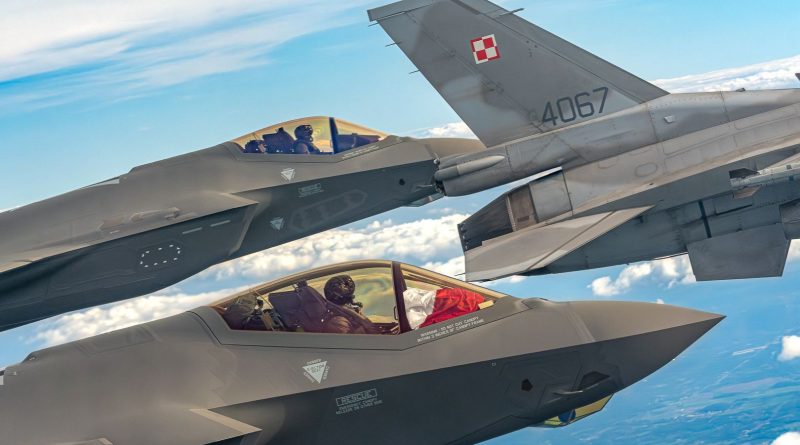
Poland’s defense spending has surged dramatically since 2022, with the country now allocating approximately 4% of its GDP to military expenditure – one of the highest ratios among NATO members. The nation has embarked on an ambitious modernization program, acquiring advanced weapons systems including South Korean tanks and howitzers, American HIMARS rocket launchers, and F-35 fighter jets. The airspace restrictions likely facilitate training exercises and the integration of these new capabilities into Poland’s defense posture. Military analysts suggest that maintaining operational security in border regions is essential as Polish forces develop their rapid response capabilities.
As Europe continues to grapple with the security implications of the ongoing conflict in Ukraine, Poland’s proactive measures represent a broader trend of increased military preparedness among NATO’s eastern members. The restrictions until autumn indicate that Polish authorities are planning for various contingencies and prioritizing national security during what many analysts consider a critical period in the regional conflict. Civilian aviation authorities across Europe are closely monitoring the situation, prepared to adjust international flight routes as needed while hoping for eventual de-escalation that would allow for a return to normal operations along the continent’s eastern borders.