
More Shaheds and Modernized Missiles: How Russia Plans to Attack Ukraine in Summer 2026
As the conflict in Ukraine continues into its fourth year, military analysts and defense experts are closely monitoring Russia’s evolving attack capabilities and strategic adjustments. Intelligence reports suggest that Moscow is actively preparing to intensify its aerial assault campaign against Ukrainian infrastructure, with plans to significantly increase the deployment of Iranian-designed Shahed drones while simultaneously modernizing its missile arsenal. These developments signal a concerning escalation in Russia’s approach to long-range strikes, potentially making the summer of 2026 a particularly challenging period for Ukrainian air defense systems.
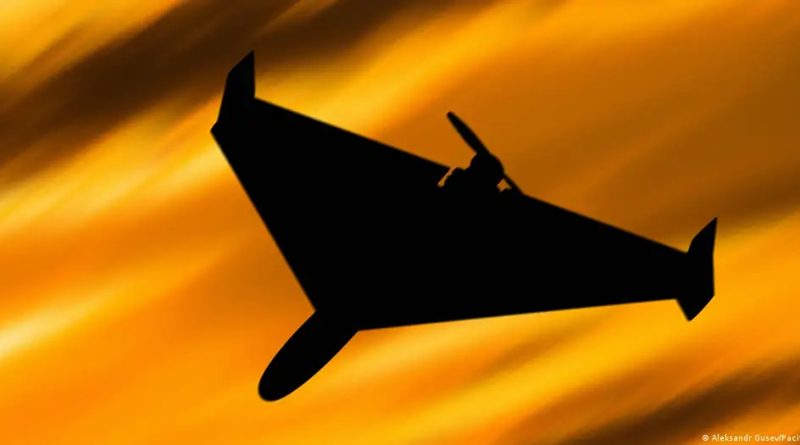
The Shahed drone, officially designated Shahed-136 by Iran and known as Geran-2 in Russian military nomenclature, has become a cornerstone of Moscow’s aerial bombardment strategy since its introduction to the conflict in autumn 2022. These relatively inexpensive kamikaze drones, estimated to cost between $20,000 and $50,000 per unit, have proven devastatingly effective against civilian infrastructure, particularly power plants, heating facilities, and electrical substations. Russian military planners appear committed to dramatically scaling up production capacity, with some estimates suggesting domestic manufacturing facilities could produce several thousand units monthly by mid-2026, a substantial increase from current output levels.
The strategic logic behind Russia’s increased reliance on drone warfare is multifaceted. Unlike sophisticated cruise missiles such as the Kalibr or Kh-101, which require complex manufacturing processes and expensive components, Shahed-type drones can be produced relatively quickly using commercially available parts. This cost-effectiveness allows Russian forces to overwhelm Ukrainian air defenses through sheer volume, forcing defenders to expend expensive interceptor missiles on comparatively cheap targets. Ukrainian air defense units have reported success rates exceeding 80 percent against these slow-moving drones, but each interception depletes limited ammunition stocks that Western allies struggle to replenish at adequate rates.
Beyond drone production, Russian defense industries are reportedly making significant strides in modernizing their ballistic and cruise missile capabilities. Intelligence assessments indicate ongoing efforts to improve guidance systems, increase warhead payloads, and extend operational ranges of existing missile platforms. The Iskander-M tactical ballistic missile system, already responsible for numerous strikes on Ukrainian cities, may receive upgraded terminal guidance technology designed to defeat electronic countermeasures. Similarly, air-launched cruise missiles like the Kh-101 could be fitted with improved terrain-following radar and satellite navigation systems to enhance accuracy against hardened targets.
Historical context illuminates the significance of these developments. Russia’s aerospace industry, despite suffering from sanctions and component shortages, has demonstrated remarkable adaptability in circumventing Western restrictions. Through complex supply chains involving third-party nations and front companies, Moscow has managed to acquire critical microelectronics and precision components necessary for weapons production. Western intelligence agencies have documented numerous instances of sanctioned technology appearing in recovered Russian missiles and drones, highlighting the challenges of enforcing export controls in an interconnected global economy. This sanctions evasion capability suggests that Russian weapons production may prove more resilient than initially anticipated.
Ukrainian military officials and Western defense experts emphasize that countering this evolving threat requires a comprehensive approach combining advanced air defense systems, electronic warfare capabilities, and offensive strike options. The deployment of Patriot missile batteries and NASAMS systems has significantly improved Ukraine’s defensive posture, but gaps remain, particularly in protecting critical infrastructure across the country’s vast territory. Analysts argue that providing Ukraine with additional long-range strike capabilities could disrupt Russian logistics and manufacturing facilities, potentially reducing the volume of attacks before they are launched. The debate over supplying such weapons continues among NATO allies, with concerns about escalation balanced against the humanitarian imperative of protecting Ukrainian civilians.
Looking ahead to summer 2026, military planners anticipate that Russia will attempt to exploit any perceived weaknesses in Ukrainian defenses while testing new weapon variants and tactics. The combination of mass drone attacks designed to exhaust interceptor stocks, followed by precision missile strikes against high-value targets, represents a likely operational pattern. Ukraine’s ability to withstand this pressure will depend heavily on sustained Western military assistance, continued domestic weapons production, and the successful integration of various air defense systems into a cohesive network. As both sides adapt to battlefield realities, the coming months will prove crucial in determining the trajectory of this protracted conflict and its ultimate resolution.