Historic Prisoner Exchange: First Phase of 1000-for-1000 Swap Between Ukraine and Russia Completed
In what marks one of the largest prisoner exchanges since the beginning of the full-scale conflict, Ukraine and Russia have successfully completed the first phase of an unprecedented 1000-for-1000 prisoner swap. The exchange, documented in a photo report by LIGA.net, represents a significant humanitarian milestone in the ongoing war, bringing hope to thousands of families who have been waiting for news of their loved ones for years.
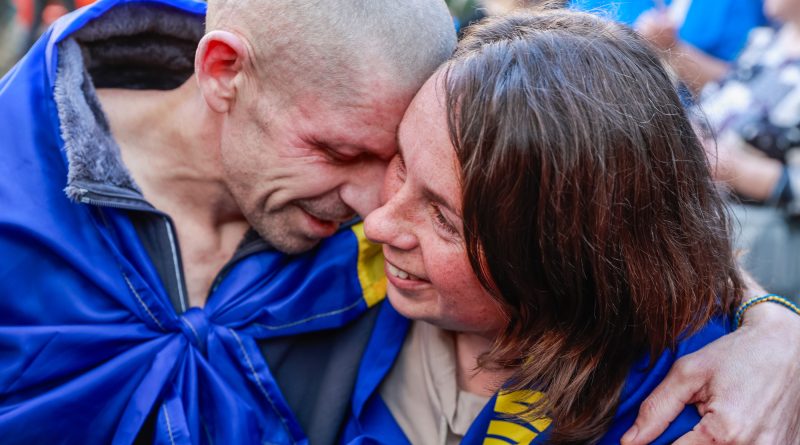
Among those returned to Ukraine were individuals who had been held in Russian captivity since 2022, enduring more than two years of imprisonment under extremely difficult conditions. Many of these prisoners were captured during the early days of Russia’s full-scale invasion, including defenders of strategic locations such as Mariupol, Azovstal steel plant, and various positions along the eastern front. The emotional reunions between freed prisoners and their families have become a powerful symbol of resilience and the ongoing efforts to bring every Ukrainian defender home.
The 1000-for-1000 format represents a departure from previous smaller-scale exchanges that typically involved dozens or hundreds of prisoners at a time. Since the beginning of the full-scale invasion in February 2022, Ukraine has conducted numerous prisoner swaps with Russia, but the scale of this operation is unprecedented. Previous notable exchanges included the September 2022 swap that freed commanders of the Azovstal defense and the ongoing efforts coordinated by various international mediators including Turkey, Saudi Arabia, and the United Arab Emirates.
The process of negotiating prisoner exchanges between warring parties is extraordinarily complex, involving multiple diplomatic channels, verification procedures, and security arrangements. International humanitarian law, particularly the Geneva Conventions, establishes frameworks for the treatment and exchange of prisoners of war. Organizations such as the International Committee of the Red Cross play crucial roles in facilitating communications, verifying prisoner lists, and ensuring that exchanges are conducted in accordance with international standards. The scale of this particular exchange required months of careful negotiation and coordination between multiple parties.
Medical and psychological support for returning prisoners has become a critical component of Ukraine’s reintegration efforts. Many freed prisoners return with significant physical injuries, malnutrition, and psychological trauma resulting from their captivity. Ukrainian authorities have established specialized rehabilitation programs to address these needs, recognizing that the journey home is only the beginning of a long recovery process. Reports from previously freed prisoners have documented harsh conditions in Russian detention facilities, including limited access to medical care, inadequate nutrition, and psychological pressure.
The families of prisoners of war have become a powerful advocacy force in Ukraine, organizing campaigns, maintaining public attention on the issue, and pressuring authorities to prioritize exchanges. Organizations dedicated to supporting POW families have emerged throughout the country, providing legal assistance, psychological support, and a community for those enduring the agonizing wait for information about their loved ones. The completion of this exchange brings relief to a thousand families while highlighting that many more continue to wait for news of their relatives still held in captivity.
Looking forward, Ukrainian officials have emphasized that efforts to secure the release of remaining prisoners will continue with the same intensity. Estimates suggest that thousands of Ukrainian military personnel and civilians remain in Russian custody, making ongoing negotiations a diplomatic priority. The successful completion of this first phase of the 1000-for-1000 exchange demonstrates that large-scale humanitarian operations remain possible even amid active hostilities, offering hope that future exchanges may follow. As freed defenders return to their homeland, their stories of survival and resilience serve as both a testament to human endurance and a reminder of the war’s profound human cost.