Ukraine-Poland Diplomatic Tensions Resurface as Polish Minister Demands Medal Return Over Historical Dispute
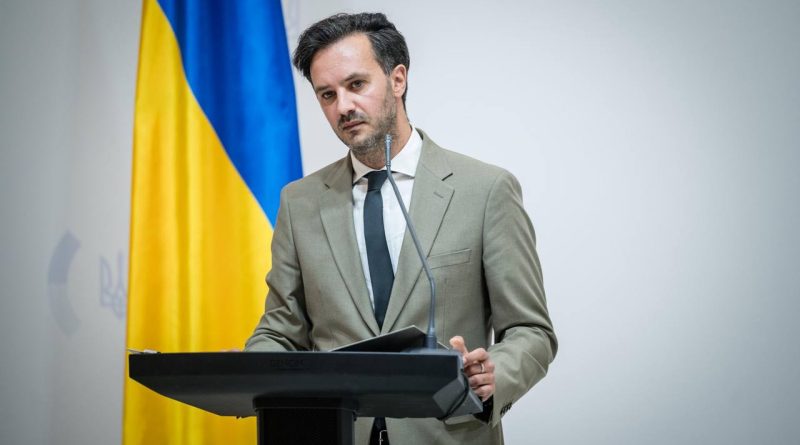
A fresh diplomatic controversy has erupted between Ukraine and Poland after Polish Deputy Defense Minister Paweł Nawrocki called for Ukrainian President Volodymyr Zelensky to return a prestigious Polish state award over disagreements concerning Ukraine’s historical commemoration of the Ukrainian Insurgent Army (UPA). The Ukrainian Ministry of Foreign Affairs, through spokesperson Heorhiy Tykhyi, responded to the Polish official’s remarks, describing the situation as “offensive” and highlighting the growing strain on bilateral relations between the two neighboring countries.
Tykhyi, speaking on behalf of Foreign Minister Andrii Sybiha, addressed the sensitive issue of historical memory in Ukrainian-Polish relations, emphasizing that such matters should not overshadow the current strategic partnership between Kyiv and Warsaw. The spokesperson stressed that Ukraine values its relationship with Poland, which has been one of the most vocal supporters of Ukrainian sovereignty since Russia’s full-scale invasion in February 2022. However, he noted that attempts to leverage historical disagreements for political purposes are counterproductive to the shared goal of maintaining European security and unity.
The controversy centers on Ukraine’s official recognition and commemoration of the Ukrainian Insurgent Army, a nationalist military organization that operated during World War II. The UPA fought against Soviet forces, Nazi Germany, and Polish authorities in pursuit of Ukrainian independence. However, the organization’s legacy remains deeply contentious in Poland, where it is associated with the Volhynia massacre of 1943-1944, during which tens of thousands of Polish civilians were killed. Polish historians estimate the death toll at approximately 100,000 Poles, while Ukrainian scholars often cite lower figures and emphasize the broader context of ethnic violence that affected both populations.
This historical dispute has long complicated Ukrainian-Polish relations, despite the generally warm ties between the two nations. Poland has been among the largest donors of military aid to Ukraine and has welcomed millions of Ukrainian refugees since the war began. Warsaw has consistently advocated for Ukraine’s NATO membership and European Union integration. Yet the question of historical memory periodically resurfaces, creating friction between governments and societies that otherwise share common strategic interests against Russian aggression.
The medal in question was awarded to President Zelensky as part of Poland’s recognition of Ukrainian-Polish friendship and cooperation. Nawrocki’s demand for its return represents an escalation in rhetoric that some analysts view as connected to domestic Polish politics rather than genuine foreign policy concerns. Poland has experienced significant political shifts, and historical memory issues often serve as rallying points for nationalist constituencies. The timing of this controversy, amid Ukraine’s ongoing defense against Russian invasion, has drawn criticism from those who argue that Allied nations should prioritize unity over historical grievances.
Ukrainian officials have consistently maintained that honoring UPA veterans does not constitute endorsement of violence against Polish civilians. Kyiv has emphasized that Ukraine acknowledges the tragedy of Volhynia and seeks historical reconciliation based on mutual understanding. However, Ukrainian authorities also argue that the UPA’s broader struggle for independence from Soviet occupation deserves recognition as part of Ukraine’s national liberation narrative. This nuanced position has not satisfied Polish critics who demand unequivocal condemnation of UPA actions against Polish populations.
The diplomatic exchange underscores the delicate balance Ukraine must maintain with its Western partners while navigating complex historical terrain. Experts in Central European affairs note that similar historical disputes exist between many neighboring countries in the region, but few carry the contemporary weight of the Ukrainian-Polish relationship given the ongoing Russian threat. Some observers have called for both governments to establish joint historical commissions that can address these sensitive topics away from the political spotlight, allowing for scholarly dialogue rather than public confrontation.
As the war in Ukraine continues into its third year, maintaining Western solidarity remains crucial for Kyiv’s defense efforts. Polish military and humanitarian support has been instrumental in Ukraine’s resistance against Russian forces. Both governments face pressure from their respective populations regarding historical justice, yet leaders on both sides have generally sought to prevent these disputes from fundamentally damaging the strategic partnership. The current controversy, while generating significant media attention, is unlikely to derail the broader cooperation framework, though it serves as a reminder of the unresolved historical issues that continue to shape Central European politics.