‘War Is Your Personal Choice’: Zelensky’s Unprecedented Letter to Putin Signals a Strategic Shift in Kyiv’s Approach
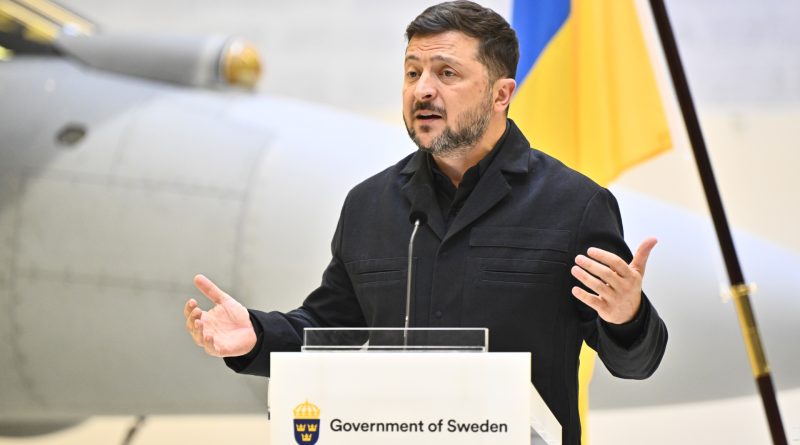
In a dramatic departure from previous diplomatic communications, Ukrainian President Volodymyr Zelensky has penned a resonant and deeply personal letter addressed directly to Russian President Vladimir Putin, declaring that the ongoing war represents Putin’s ‘personal choice.’ This unprecedented move comes amid what Western analysts describe as a notable shift in Ukraine’s military fortunes and diplomatic posture, marking a potential turning point in how Kyiv engages with Moscow on the international stage.
The letter, which has captured significant attention from Western media outlets and political analysts, represents a calculated change in tone from the Ukrainian leadership. Rather than focusing solely on battlefield updates or appeals to the international community, Zelensky has chosen to address Putin directly and personally, placing the moral weight of the conflict squarely on the Russian president’s shoulders. This approach reflects what many observers see as growing confidence in Kyiv, bolstered by recent military successes and continued Western support that has exceeded initial expectations when the full-scale invasion began in February 2022.
Western press coverage has identified three key conclusions from this tactical shift. First, analysts note that Zelensky’s willingness to engage Putin directly, rather than through intermediaries or international forums, suggests Ukraine feels it is negotiating from a position of increased strength. The language of personal responsibility—framing the war as Putin’s individual decision rather than a collective Russian endeavor—is designed to isolate the Russian leader both domestically and internationally. This rhetorical strategy echoes historical precedents where wartime leaders have sought to distinguish between enemy populations and their governments, potentially laying groundwork for future reconciliation while maintaining pressure on current leadership.
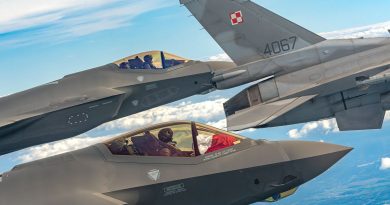
Second, the timing of the letter appears strategically significant. Ukraine has demonstrated remarkable resilience throughout the conflict, successfully defending key territories and launching counteroffensives that have reclaimed significant ground. The provision of advanced Western weaponry, including HIMARS rocket systems, Leopard tanks, and most recently F-16 fighter jets, has fundamentally altered the battlefield dynamics. Military experts suggest that Ukraine’s improved position has given Zelensky the political capital to adopt a more assertive diplomatic stance, moving beyond defensive messaging to a more proactive engagement strategy.
Third, Western commentators observe that this direct communication may be designed as much for domestic Russian audiences as for Putin himself. By personalizing the conflict and emphasizing choice over necessity, Zelensky appears to be challenging the Kremlin’s narrative that the ‘special military operation’ was an inevitable response to Western aggression. This messaging strategy aligns with broader Ukrainian efforts to reach Russian citizens through various channels, including cross-border information campaigns and appeals to Russian soldiers to surrender. The psychological warfare dimension of modern conflict has proven crucial, and Zelensky—a former actor and communications professional—has demonstrated particular skill in this arena throughout the war.
Historical context adds weight to this diplomatic maneuver. Throughout the twentieth century, direct leader-to-leader communications during wartime have occasionally served as preludes to significant shifts in conflict dynamics. From the famous correspondence between Churchill and Roosevelt to more recent examples of back-channel communications during the Cold War, personal appeals have sometimes succeeded where formal diplomatic channels have failed. However, experts caution that Putin has shown little indication of being swayed by such approaches, maintaining his stated objectives despite mounting casualties, economic sanctions, and international isolation. The Russian president has consistently framed the conflict in existential terms for Russia, making any acknowledgment of personal choice politically difficult.
The international response to Zelensky’s letter has been notably supportive among Western allies. European and American officials have praised the Ukrainian president’s continued willingness to engage diplomatically while maintaining military pressure. This dual-track approach—fighting while talking—mirrors advice from seasoned diplomats who argue that sustainable peace agreements typically emerge only when military realities create incentives for negotiation. Ukraine’s partners appear to view Zelensky’s direct appeal as consistent with their broader strategy of supporting Ukrainian sovereignty while remaining open to diplomatic solutions.
As the conflict enters its third year, the significance of Zelensky’s rhetorical shift extends beyond immediate tactical considerations. By establishing a clear narrative of personal responsibility, Ukraine is building a framework for eventual accountability and post-war justice. International legal experts note that documentation of leadership decision-making could prove relevant to future proceedings at institutions like the International Criminal Court, which has already issued an arrest warrant for Putin. Whether or not the letter produces any immediate response from Moscow, it represents another chapter in Ukraine’s multifaceted campaign to win not only on the battlefield but in the broader contest for international legitimacy and historical judgment.