Zelensky Imposes New Sanctions: Former MP Bereza Among Those Targeted
Ukrainian President Volodymyr Zelensky has signed a series of new decrees implementing sanctions against Russian defense industry enterprises, their executives, and individuals accused of spreading propaganda. The latest round of restrictive measures represents a continuation of Ukraine’s systematic efforts to apply economic and political pressure on entities and individuals connected to Russia’s military aggression. Among those targeted in the new sanctions package is former Ukrainian Member of Parliament Borislav Bereza, whose inclusion has drawn significant attention to the ongoing internal political dimensions of the conflict.
The sanctions targeting Russia’s military-industrial complex are designed to further isolate key enterprises that supply weapons, ammunition, and military equipment to Russian armed forces. Since the full-scale invasion began in February 2022, Ukraine has consistently expanded its sanctions lists to include not only Russian state officials and oligarchs but also the directors and managers of companies directly involved in weapons production. These measures align with broader international sanctions regimes implemented by the European Union, United States, and other Western allies, creating a comprehensive network of restrictions aimed at degrading Russia’s war-making capabilities.
The inclusion of propagandists in the sanctions list reflects Ukraine’s recognition of information warfare as a critical battlefield in the ongoing conflict. Russian state media personalities and online influencers have been instrumental in shaping narratives that justify military aggression, spread disinformation about Ukrainian civilians and military operations, and attempt to undermine international support for Ukraine. By targeting these individuals with asset freezes and travel bans, Ukrainian authorities aim to impose tangible consequences on those who contribute to the Kremlin’s propaganda machine. Media experts have long argued that information operations are as strategically important as conventional military tactics in modern hybrid warfare.
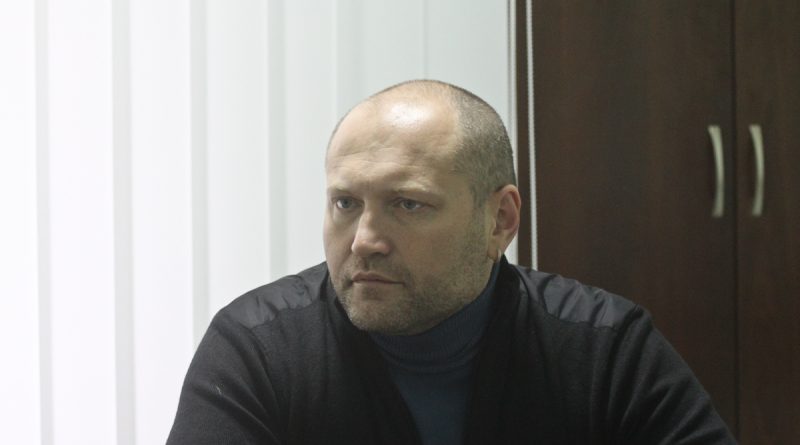
The case of Borislav Bereza, a former member of the Ukrainian parliament who served in the Verkhovna Rada, adds a controversial domestic element to the sanctions announcement. Bereza was previously known for his nationalist political positions and his involvement in various political movements. His inclusion in a sanctions list typically reserved for foreign adversaries and their collaborators suggests allegations of activities deemed harmful to Ukrainian national interests. While specific details regarding the reasons for his sanctioning have not been fully disclosed, the move underscores the government’s willingness to take action against Ukrainian citizens believed to be working against the country’s interests during wartime.
Ukraine’s sanctions policy has evolved significantly since 2014, when Russia first annexed Crimea and began supporting separatist movements in eastern Ukraine. The National Security and Defense Council of Ukraine, which recommends sanctions to the president for approval, has dramatically expanded its activities since the 2022 invasion. The council now regularly reviews intelligence reports, financial transactions, and public statements to identify individuals and entities warranting restrictive measures. Legal experts note that Ukrainian sanctions law grants the president broad authority to impose restrictions on grounds of national security, though some civil liberties organizations have raised concerns about due process and transparency in the sanctioning process.
The economic impact of sanctions on Russia’s defense industry has been a subject of extensive analysis by international observers. While Russia has attempted to circumvent restrictions through various means, including the use of shell companies and third-country intermediaries, Western intelligence assessments suggest that sanctions have significantly complicated Russian weapons production. Shortages of precision components, particularly microelectronics and specialized machinery, have reportedly forced Russian manufacturers to rely on older, less effective technologies. However, analysts caution that sanctions alone cannot halt military production entirely, as Russia has demonstrated considerable adaptability in sourcing alternative supplies and developing domestic substitutes.
President Zelensky’s continued use of sanctions as a policy tool demonstrates Ukraine’s multi-faceted approach to the conflict, combining military resistance with economic warfare and diplomatic pressure. The new decrees come amid ongoing international discussions about strengthening sanctions enforcement and closing loopholes that allow sanctioned entities to continue operating through intermediaries. As the conflict enters its fourth year, Ukrainian officials have emphasized that maintaining and expanding pressure on Russia’s war economy remains essential to achieving a just peace. The inclusion of both external adversaries and domestic figures accused of collaboration signals that Ukrainian authorities are prepared to take comprehensive action against all perceived threats to national security.