Russian General Responsible for Ammunition Supply Wounded in Moscow Region Explosion
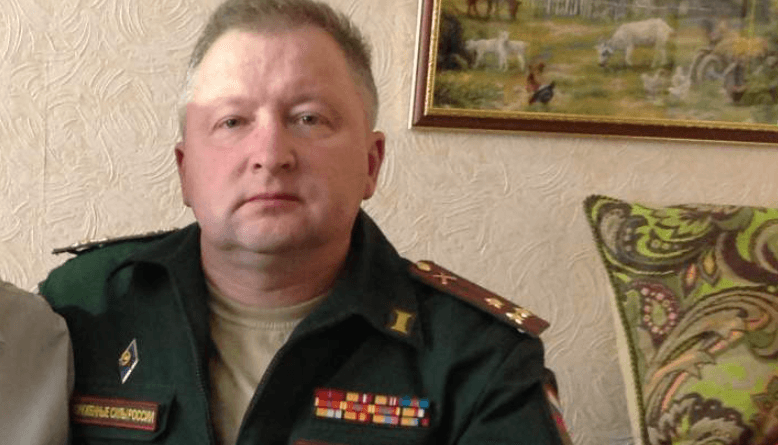
A high-ranking Russian military official has been seriously injured in an apparent targeted attack in the Moscow region, according to reports from The Insider, an independent Russian investigative media outlet. General Damir Davydov, who allegedly played a significant role in planning and organizing Russia’s military invasion of Ukraine that began on February 24, 2022, was reportedly wounded in an explosion that security analysts believe may have been a deliberate assassination attempt.
Davydov has been identified as a key figure in Russia’s military logistics network, specifically responsible for overseeing the supply and delivery of ammunition to Russian forces operating in Ukraine. This critical role placed him at the heart of Russia’s war machine, making him a strategically important target. The general’s responsibilities extended beyond simple logistics, as ammunition supply chains have become one of the most crucial elements determining the effectiveness of military operations on both sides of the ongoing conflict.
The attack represents a continuation of a troubling pattern for Russian military leadership. Since the beginning of the full-scale invasion in February 2022, numerous Russian generals and high-ranking officers have been killed or wounded under various circumstances. Western intelligence agencies have noted that Russia has suffered an unusually high rate of general officer casualties compared to modern conflicts, with estimates suggesting that more than a dozen generals have died since the war began. This attrition rate among senior commanders has been attributed to multiple factors, including the need for high-ranking officers to operate closer to front lines due to communication failures and the effectiveness of Ukrainian intelligence operations.
The Moscow region, where the attack reportedly occurred, has seen increasing security concerns as the conflict has progressed. Over the past two years, there have been multiple incidents involving drone strikes, sabotage operations, and targeted attacks on Russian territory that were previously considered secure rear areas. Russian authorities have significantly increased security measures around critical infrastructure and military installations, yet incidents continue to occur with alarming regularity for the Kremlin. The ability to conduct such operations deep within Russian territory demonstrates sophisticated intelligence capabilities and operational reach that have caught Russian security services off guard on multiple occasions.
Ammunition supply has emerged as one of the decisive factors in the Russia-Ukraine conflict. Both sides have expended artillery shells and missiles at rates not seen since World War II, leading to severe strain on production capabilities and stockpiles. Russia has reportedly turned to international partners including North Korea and Iran to supplement its ammunition needs, while Western nations have scrambled to increase production capacity to support Ukraine. A general responsible for managing these critical supply chains would possess invaluable knowledge about Russian military capabilities, stockpile levels, and logistics vulnerabilities.
The timing and method of the attack raise significant questions about security vulnerabilities within Russia’s military and intelligence apparatus. Explosive attacks on military officials require detailed planning, surveillance, and access that suggest either internal assistance or highly capable external operations. Russian security services, including the FSB, have launched extensive counterintelligence operations aimed at identifying potential threats to military leadership, yet such attacks continue to occur. Ukrainian intelligence services have not officially claimed responsibility for the attack, maintaining their typical policy of ambiguity regarding operations conducted on Russian soil.
The wounding of General Davydov is likely to have both practical and symbolic implications for the ongoing conflict. Practically, the disruption to ammunition logistics command could create temporary inefficiencies in an already strained supply system. Symbolically, the attack demonstrates that senior Russian officials involved in the invasion planning are not beyond reach, regardless of their location within Russia. As the conflict approaches its fourth year, such incidents underscore the increasingly asymmetric nature of modern warfare, where traditional concepts of rear-area security have been fundamentally challenged by advances in intelligence gathering, drone technology, and unconventional operations.