Strong Negotiator or Overrated Manager: Who Is Rustem Umerov and Why Ukraine Bets on Him
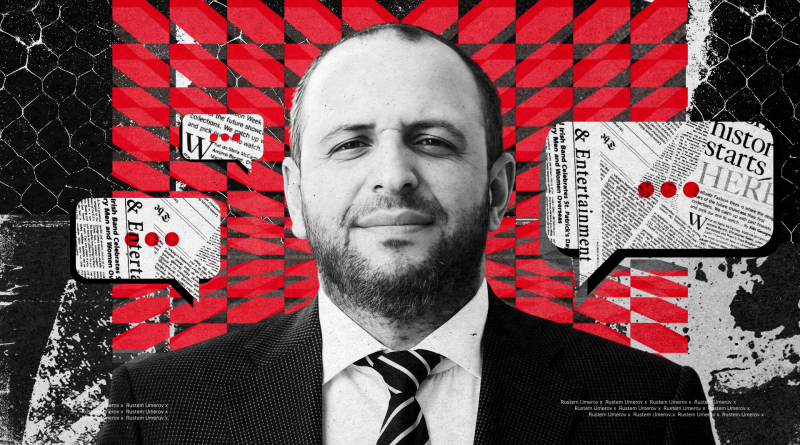
In the high-stakes diplomatic chess game unfolding between Ukraine, Russia, and Western powers, one figure has emerged as Kyiv’s primary negotiator: Rustem Umerov. The current Ukrainian Defense Minister has become the face of Ukraine’s negotiating efforts, wielding personal connections, Eastern diplomatic sensibilities, and the unwavering trust of the Presidential Office on Bankova Street. But as Ukraine places its hopes on this Crimean Tatar politician, questions arise about whether he possesses the skills necessary for such a monumental task – or whether this bet carries significant risks.
Umerov’s rise to prominence represents one of the more remarkable political trajectories in modern Ukrainian history. Born in 1982 in Uzbekistan to a Crimean Tatar family that had been deported during Stalin’s brutal 1944 deportation of the entire Crimean Tatar population, Umerov grew up understanding displacement and the complexities of identity in the post-Soviet space. His family eventually returned to Crimea, where he witnessed firsthand the fragile nature of territorial sovereignty when Russia annexed the peninsula in 2014. This personal history has shaped his worldview and, supporters argue, gives him unique insights into dealing with Moscow.
Before entering politics, Umerov built a career in business and investment, working in Turkey and the Middle East. His fluency in Turkish, Arabic, and English, combined with his understanding of Islamic culture as a practicing Muslim, gave him access to diplomatic circles that many Ukrainian officials could not penetrate. This Eastern orientation proved invaluable when Ukraine needed back-channel communications and intermediaries. Turkey’s President Recep Tayyip Erdoğan, in particular, has served as a crucial mediator in the conflict, and Umerov’s ability to navigate Turkish diplomatic culture has been considered a strategic asset.
His appointment as head of the State Property Fund in 2021 marked his entry into serious governmental responsibility, where he oversaw privatization efforts and state asset management. When President Volodymyr Zelensky tapped him to replace Oleksii Reznikov as Defense Minister in September 2023, many saw it as recognition of his negotiating abilities rather than military expertise. The timing was significant – it came as Western allies began privately discussing potential negotiation frameworks while publicly maintaining support for Ukraine’s territorial integrity.
The Presidential Office’s confidence in Umerov stems from several factors that align with their strategic calculations. His outsider status in traditional Ukrainian political circles means fewer competing loyalties and obligations. His international business background suggests familiarity with complex deal-making and contractual negotiations. Perhaps most importantly, his Crimean Tatar identity provides a symbolic connection to one of the conflict’s central territorial disputes while potentially offering cultural bridges to Turkish mediation efforts. Bankova appears to view these qualities as essential for the delicate diplomatic maneuvering that any peace process would require.
However, critics within Ukraine’s defense establishment and among Western observers have raised concerns about whether Umerov’s strengths in business negotiation and ministerial networking translate to the brutal realities of wartime diplomacy with an adversary like Russia. Managing defense procurement contracts and coordinating with NATO allies requires different skills than facing Russian negotiators who have demonstrated willingness to use talks as tactical delays while continuing military operations. Some defense analysts point to ongoing challenges in military logistics and equipment procurement under his ministry as evidence that his managerial capabilities may be overstated.
The historical record of negotiations with Russia provides sobering context for anyone taking on this role. The Minsk agreements of 2014 and 2015, intended to end the conflict in eastern Ukraine, ultimately failed to prevent full-scale invasion in 2022. Russian negotiators have historically used diplomatic processes to buy time, consolidate territorial gains, and create divisions among their opponents. Any Ukrainian negotiator faces the challenge of achieving meaningful security guarantees rather than paper promises that Moscow can discard when convenient. Whether Umerov possesses the strategic depth and hardball tactics necessary for such an adversary remains an open question.
The risks of Ukraine’s bet on Umerov extend beyond his individual capabilities. By concentrating negotiating authority in one figure closely tied to the Presidential Office, Ukraine potentially narrows its diplomatic flexibility and creates a single point of failure. Should negotiations falter or produce unfavorable outcomes, the political consequences could reverberate through the entire leadership structure. Additionally, Umerov’s relative lack of military background may complicate his ability to assess which territorial or security compromises are militarily sustainable versus those that would leave Ukraine strategically vulnerable to future aggression.
As diplomatic pressures intensify from various quarters – including from a potentially shifting American political landscape – the question of who negotiates for Ukraine becomes increasingly consequential. Umerov’s supporters argue that his unique combination of cultural fluency, business acumen, and presidential trust makes him ideally suited for this historic responsibility. His detractors worry that Ukraine may be overestimating his capabilities at precisely the moment when miscalculation could prove catastrophic. The coming months will likely reveal whether Rustem Umerov is indeed the skilled negotiator Ukraine needs – or whether this gamble on Eastern diplomacy and personal connections will prove to be a costly miscalculation in one of the 21st century’s defining conflicts.