EU Defense Commissioner Declares Ukraine Has the Best Army in Europe and Possibly the World
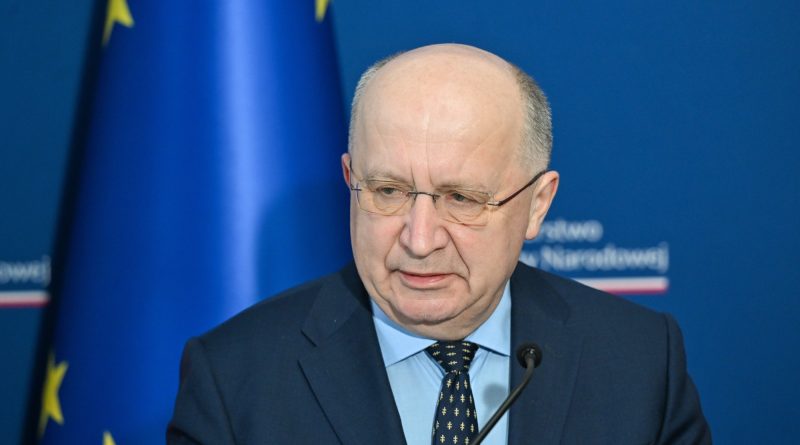
European Commissioner for Defense Andrius Kubilius has made a bold and significant statement regarding Ukraine’s military capabilities, declaring that the country possesses the finest armed forces on the European continent and potentially globally. The former Lithuanian Prime Minister, who now oversees defense matters for the European Union, emphasized that Ukraine’s exceptional military prowess should serve as a compelling argument for its integration into a unified European defense framework.
Kubilius’s assessment comes after more than three years of intense combat operations during which Ukrainian forces have demonstrated remarkable resilience, adaptability, and tactical innovation against a numerically superior adversary. The Ukrainian military has transformed from a relatively modest force in 2014 into a battle-hardened, modern fighting machine that has successfully employed Western weapons systems, developed indigenous drone technology, and executed complex combined arms operations that have impressed military analysts worldwide.
The statement carries significant weight given Kubilius’s position and background. As European Commissioner for Defense since late 2024, he has been tasked with strengthening the EU’s collective security posture amid growing concerns about Russian aggression and the uncertain future of American security guarantees in Europe. His Lithuanian heritage adds additional context to his remarks, as the Baltic states have consistently been among the most vocal supporters of Ukraine and the most concerned about Russian expansionism, sharing direct borders with Russia and Belarus.
Military experts largely concur with the commissioner’s assessment, noting that Ukraine’s armed forces have accumulated invaluable combat experience that no other European military currently possesses. Ukrainian troops have become proficient in modern warfare techniques including drone operations, electronic warfare, precision strikes using Western-supplied weapons, and defensive operations against missile and aerial attacks. This real-world experience has created a military force with institutional knowledge that would take other nations decades to develop through training exercises alone.
The push to integrate Ukraine into European defense structures reflects a broader strategic recalibration occurring across the continent. Traditional reliance on NATO and American military protection has come under scrutiny, particularly following political shifts in Washington that have raised questions about the reliability of transatlantic security commitments. European leaders are increasingly discussing the need for strategic autonomy and the creation of a genuine European defense union that could operate independently if necessary. In this context, Ukraine’s battle-tested military represents an invaluable asset that could significantly enhance collective European security.
Historical precedent supports the transformation of military forces through combat experience. The Israeli Defense Forces, widely regarded as one of the world’s most capable militaries, developed their reputation through successive conflicts that forced continuous adaptation and innovation. Similarly, Ukrainian forces have evolved dramatically since the initial Russian invasion of Crimea in 2014, undergoing comprehensive reforms, adopting NATO standards, and integrating advanced Western military technology. The current conflict has accelerated this transformation exponentially, creating a force that combines Western equipment and doctrine with hard-won combat expertise.
The integration of Ukraine into European defense frameworks would require addressing numerous complex challenges, including the ongoing conflict, questions about EU membership, and the practical logistics of military cooperation. However, Kubilius’s statement signals a growing recognition among European policymakers that Ukraine’s military capabilities represent a strategic resource that should not be overlooked. The commissioner’s comments also serve a diplomatic purpose, reinforcing European commitment to Ukraine at a time when the country continues to seek international support for its defense against Russian aggression.
As Europe grapples with its most serious security crisis since World War II, the question of how to harness Ukraine’s military experience and capabilities for collective continental defense will likely remain at the forefront of policy discussions. Kubilius’s endorsement of Ukrainian military excellence represents not merely praise for past achievements but a vision for future security architecture in which Ukraine plays a central role in defending European values and territorial integrity.