“This Is What Triggered the Invasion”: Top Trump-Era Diplomat on Ukraine and U.S. Mistakes Before the War
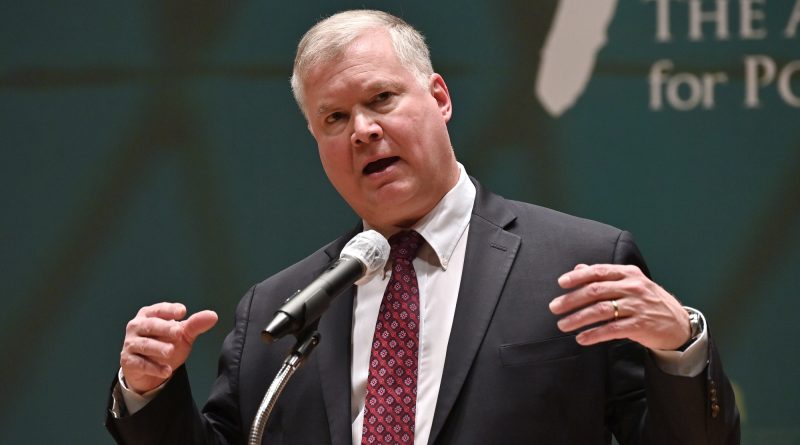
A former senior State Department official from the first Trump administration has offered a candid assessment of the strategic errors committed by both Washington and Kyiv in the years leading up to Russia’s full-scale invasion of Ukraine in February 2022. The revelations provide a rare insider’s perspective on the diplomatic failures and miscalculations that may have contributed to Europe’s largest military conflict since World War II.
The former deputy secretary of state argued that a series of missteps over several years created conditions that Moscow ultimately exploited as justification for military action. According to the diplomat, both the United States and Ukraine failed to adequately address Russia’s security concerns while simultaneously sending mixed signals about Western intentions in the region. This combination of factors, he suggested, provided the Kremlin with what it perceived as both motivation and opportunity to launch its military campaign.
The diplomatic background to the current conflict stretches back decades, but tensions escalated dramatically following Ukraine’s 2014 Euromaidan revolution and Russia’s subsequent annexation of Crimea. The Minsk agreements, brokered in 2014 and 2015, were intended to resolve the conflict in eastern Ukraine’s Donbas region but remained largely unimplemented by both sides. Critics have long debated whether these accords represented a genuine path to peace or merely a temporary measure that allowed all parties to rearm and prepare for a larger confrontation.
The former official pointed to NATO expansion discussions as a particularly sensitive issue that was mishandled by Western powers. While Ukraine was never formally offered NATO membership, repeated statements about the country’s eventual accession to the alliance—most notably at the 2008 Bucharest Summit—created expectations without providing concrete security guarantees. This ambiguity, the diplomat suggested, represented the worst of both worlds: it antagonized Russia without actually protecting Ukraine. Military analysts have noted that this period saw significant modernization of both Russian and Ukrainian armed forces, with each side drawing different conclusions about the likelihood of eventual conflict.
The assessment also touched on economic and energy dimensions of the pre-war period. Ukraine’s dependence on Russian gas, coupled with Europe’s own energy vulnerabilities, created leverage that Moscow could exploit. Despite years of warnings from security experts, efforts to diversify energy supplies and reduce this dependency proceeded too slowly. The Nord Stream 2 pipeline project, which would have increased European reliance on Russian gas while bypassing Ukraine, became a symbol of the conflicting priorities between economic interests and security concerns within the Western alliance.
Domestically, Ukraine faced its own challenges in the years before the invasion. Corruption remained endemic despite reform efforts, and the country’s military, while improving, still suffered from equipment shortages and organizational problems inherited from the Soviet era. International military assistance, including the controversial decision to provide Javelin anti-tank missiles, helped address some capability gaps but also featured in Russian propaganda about Western militarization of Ukraine. The diplomat noted that clearer communication about the defensive nature of this assistance might have helped defuse some tensions.
The Trump administration’s own Ukraine policy was marked by controversy, including the president’s first impeachment over allegations of withholding military aid to pressure Kyiv for political favors. This episode, the former official acknowledged, damaged American credibility and may have signaled to Moscow that Washington’s commitment to Ukraine was uncertain. The subsequent Biden administration attempted to restore traditional alliance relationships but inherited a situation already moving toward crisis.
Looking back, the former diplomat emphasized that no single decision caused the war—responsibility for the invasion lies squarely with Russia’s leadership. However, he argued that more consistent Western policy, combined with greater Ukrainian progress on reforms and clearer diplomatic engagement with Moscow, might have altered the calculations that led to February 2022. As the conflict continues with no end in sight, these retrospective assessments take on added significance for policymakers considering how to prevent future conflicts and eventually bring the current one to a close. The lessons learned, or not learned, from this period will likely shape international security policy for generations to come.